

The Titanomachy - How Zeus Became Ruler of the Cosmos
A colossal war for divine succession, the Titanomachy marked a turning point in Greek mythology. This article explores the story of how Zeus defeated his father, Cronus, to establish a new cosmic order, drawing from ancient sources.

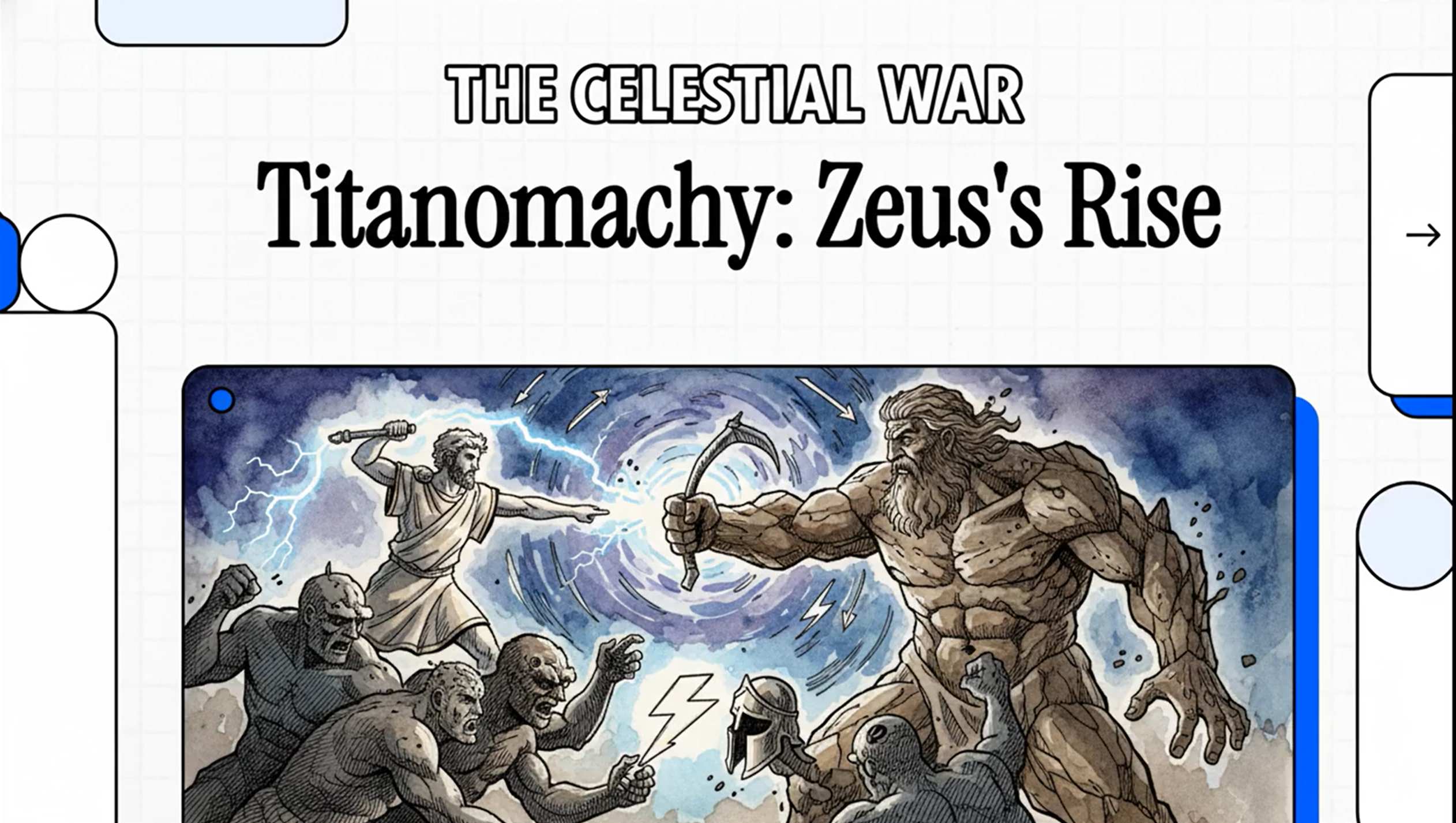
The Titanomachy - How Zeus Became Ruler of the Cosmos
Among the epic tales of Greek mythology, the Titanomachy—the war for dominion over the cosmos—stands out as a uniquely fierce and decisive event. It was not merely a power struggle but a cosmic revolution, marking the transfer of order from an older generation of gods to the new Olympians. How did the young Zeus defeat his father, Cronus, who reigned through absolute terror, and ascend to the throne of the heavens?
A Chain of Rebellion - From Uranus to Cronus
The story begins during the reign of the first ruler of the cosmos, Uranus (Sky). He took Gaia (Earth) as his wife and fathered many children, some of whom were monstrous in form. These included the Hecatoncheires (Briareos, Gyges, and Cottus), who had a hundred hands and fifty heads, and the Cyclopes (Arges, Steropes, and Brontes), who had a single eye in the center of their foreheads (Apollodorus Library 1.1-2). Fearing their strange appearance and immense power, Uranus cast them into Tartarus, a dark abyss deep within the earth, and imprisoned them there (Hesiod Theogony 154-159; Apollodorus Library 1.2).
The grief and anger of their mother Gaia, whose children had been cast into the abyss, ran deep. She incited her remaining children, the Titans, to seek revenge against their father (Apollodorus Library 1.4). Yet, among the Titans who feared rebelling against their father, only one—Cronus, the youngest and most ambitious—accepted the task (Hesiod Theogony 167-172). Gaia fashioned a great sickle of gray flint and gave it to Cronus (Hesiod Theogony 161-162). With this weapon, he castrated his father Uranus and seized his dominion. Thus, Cronus became the new ruler, the king of the Titans (Apollodorus Library 1.4).
However, the throne brought Cronus no peace. He was haunted by a prophecy from Gaia and Uranus that he, too, would one day be overthrown by his own child, just as he had overthrown his father (Apollodorus Library 1.5). Driven by this fear, Cronus swallowed each of the children his wife Rhea bore him: Hestia, Demeter, Hera, Hades, and Poseidon. Grief-stricken, when Rhea was pregnant with her youngest child, Zeus, she resolved to deceive her husband. She secretly gave birth to Zeus in a cave on Mount Dicte in Crete. To Cronus, she presented a stone wrapped in swaddling clothes, which he promptly swallowed, believing it to be his newborn son (Apollodorus Library 1.6-7).
A Decade of War and a Forbidden Alliance
Raised by nymphs on Crete, Zeus grew into a mighty young god and awaited the moment to strike back at his father. With the help of the goddess of wisdom, Metis, he tricked Cronus into drinking a special potion. Cronus first vomited up the stone that had been substituted for Zeus, and then, one by one, he regurgitated the five older siblings he had swallowed (Apollodorus Library 2.1). United with his freed brothers and sisters, Zeus declared war on his father Cronus and the allied Titans for control of the cosmos. This was the beginning of the Titanomachy.
The war between the Olympians, based on Mount Olympus, and the Titans, encamped on Mount Othrys, was fought with ferocious intensity (Hesiod Theogony 630-634). Yet, the forces were evenly matched, and even after ten long years, there was no sign of a decisive outcome (Apollodorus Library 2.1; Hesiod Theogony 636).
The key to breaking this stalemate lay in a prophecy from their grandmother, Gaia. She told Zeus that he could achieve victory if he enlisted the aid of those imprisoned in Tartarus—namely, the Cyclopes and the Hecatoncheires (Apollodorus Library 2.1; Hesiod Theogony 624-628). Following this oracle, Zeus slew Campe, the guardian of Tartarus, and freed his uncles, who had been imprisoned (Apollodorus Library 2.1).
Deeply grateful for their liberation, the Cyclopes used their masterful smithing skills to forge unparalleled weapons for the new gods. For Zeus, they crafted thunder, lightning, and the thunderbolt; for Poseidon, a trident that could shake the seas; and for Hades, a helmet of darkness that rendered its wearer invisible (Apollodorus Library 2.1). Armed with these powerful weapons and the terrifying might of the hundred-handed Hecatoncheires, the Olympians finally possessed the power to turn the tide of the war.
The Final Battle That Shook the Cosmos
With their new allies, the Olympian gods launched a final, all-out assault on the Titans. The nature of the battle changed completely. The Hecatoncheires, with their hundred arms, unleashed a volley of three hundred massive rocks at once, overwhelming the Titan forces (Hesiod Theogony 713-717).
Zeus himself no longer held back his power. From the heavens and from Olympus, he hurled his thunderbolts relentlessly. The sacred flame scorched the earth, and vast forests caught fire, burning with a tremendous roar (Hesiod Theogony 687-694). The whole earth, the streams of Ocean, and even the barren sea boiled. The hot blast enveloped the Titans, and the blinding flash of the thunderbolts seared their eyes, strong though they were (Hesiod Theogony 695-699). The cataclysm was so immense it was as if heaven and earth had collided and collapsed, and the din of the divine conflict shook the very cosmos (Hesiod Theogony 700-705).
Before this overwhelming power, the Titans were finally defeated. Zeus and his allies seized the vanquished Titans, bound them in heavy chains, and cast them into the dark prison of Tartarus, far beneath the earth (Hesiod Theogony 717-720). It is said that its depth is so great that a bronze anvil dropped from heaven would fall for nine days and nights to reach the earth, and another nine days and nights to reach the bottom of Tartarus (Hesiod Theogony 722-725). Poseidon set gates of bronze upon the prison, and the Hecatoncheires were stationed as its faithful guards, ensuring the Titans would never again return to the world of light (Apollodorus Library 2.1; Hesiod Theogony 732-735).
A New Order and the Division of the World
With the conclusion of the cosmos-shattering Titanomachy and the exile of the elder gods, the world needed new rulers. The victors, the three sons of Cronus—Zeus, Poseidon, and Hades—decided to divide their domains not by force, but by drawing lots (Apollodorus Library 2.1).
The lots were cast, and Zeus received dominion over the vast heavens and the clouds. Poseidon was allotted the white-capped sea, and Hades drew the misty gloom of the underworld, the realm of the dead. The earth and Mount Olympus, however, were designated as common to all three (Homer Iliad 15.189-193). This division established the new and lasting order of the cosmos.
This arrangement suggests that Zeus was not an absolute dictator but a “first among equals,” sharing power with his brothers. In Homer’s Iliad, a scene depicts Poseidon’s indignation at a command from Zeus, where he asserts his own rights. He declares that he holds “like honor” to Zeus.
ὢ πόποι ἦ ῥʼ ἀγαθός περ ἐὼν ὑπέροπλον ἔειπεν εἴ μʼ ὁμότιμον ἐόντα βίῃ ἀέκοντα καθέξει. τρεῖς γάρ τʼ ἐκ Κρόνου εἰμὲν ἀδελφεοὶ οὓς τέκετο Ῥέα Ζεὺς καὶ ἐγώ, τρίτατος δʼ Ἀΐδης ἐνέροισιν ἀνάσσων. τριχθὰ δὲ πάντα δέδασται, ἕκαστος δʼ ἔμμορε τιμῆς·
Outrageous! Great though he is, he has spoken arrogantly, if he will restrain me by force, against my will, who am of like honor. For we are three brothers, born of Cronus and Rhea— Zeus and I, and Hades is the third, who rules among the dead. All things were divided into three, and each received his portion of honor.
(Homer Iliad 15.185–189)
Poseidon’s words reveal that the power dynamic among the Olympians was more complex than a simple hierarchy, based instead on mutual respect for sovereignty within their respective domains. After the victory in the Titanomachy, and with Gaia’s counsel, the gods acclaimed Zeus as their king. He then distributed to each god their appropriate status and honors (Hesiod Theogony 881-885). Thus began the age of the Olympian gods with Zeus as their supreme ruler, laying the foundation for the world of Greek mythology.
(Editorial Cooperation: Yuki Suzuki)
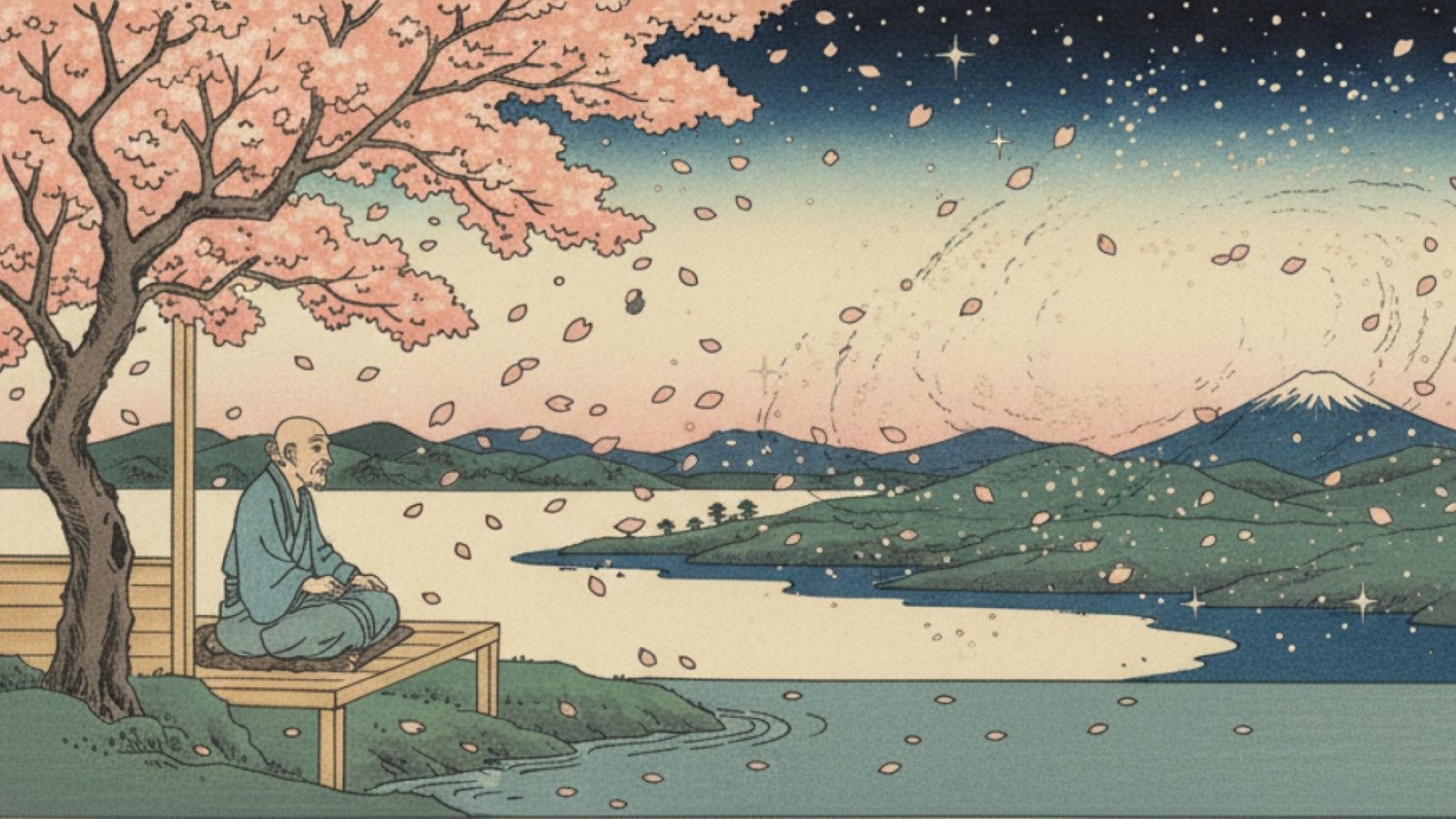
Japanese Views on Seasons - The Gaze of Literary Figures
Japanese literary figures have deeply engaged with the shifting seasons and the workings of life through various forms of expression such as novels and essays. Their delicate sensibilities and keen powers of observation open the door to a dialogue with nature for us, teaching us the beauty and philosophy hidden within everyday landscapes.
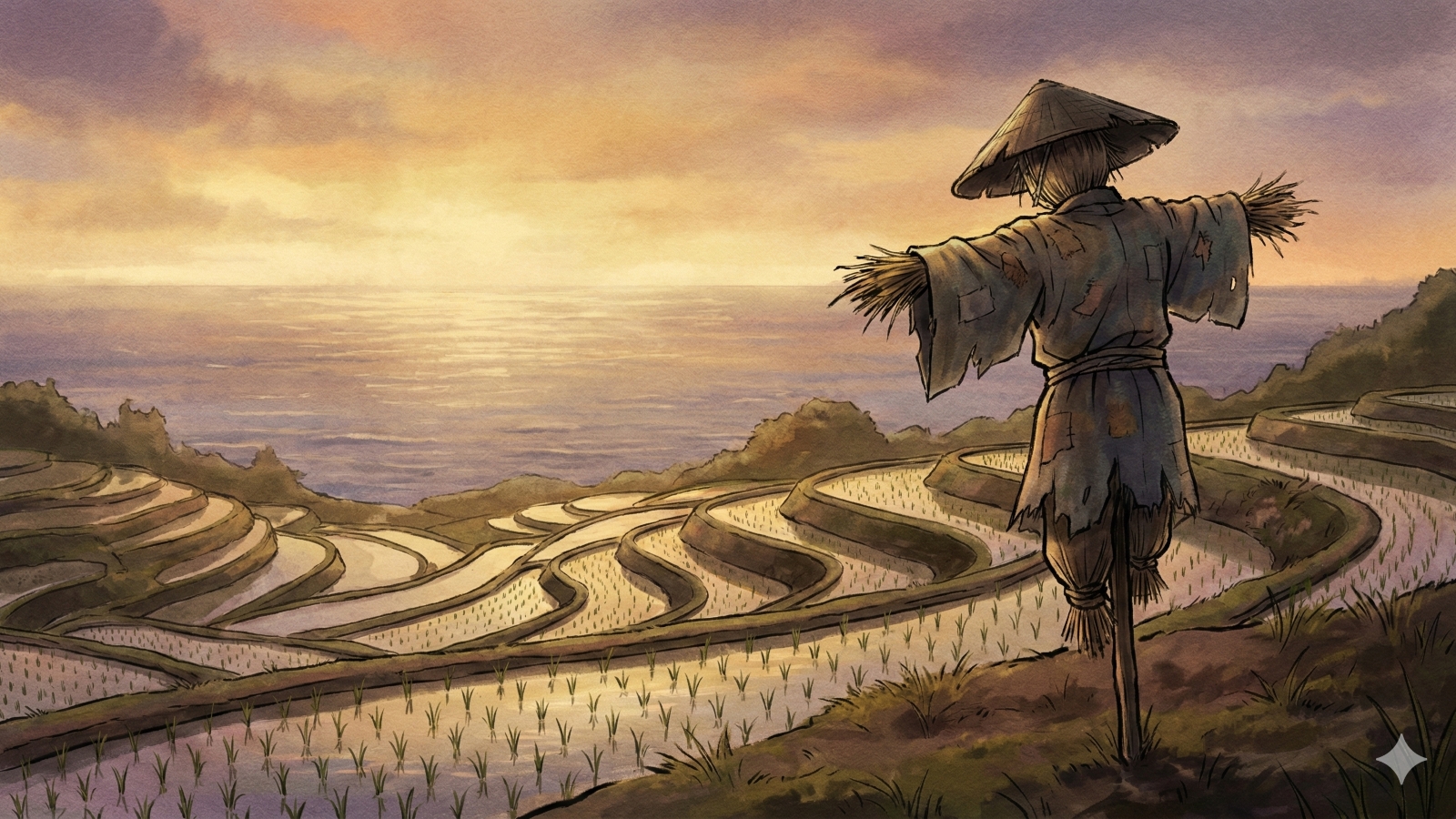
Japan's Primal Landscapes - A Tale of Memories Told by the Land
Superimposing the deceased onto the buzzing of flies, seeing gods in one-legged scarecrows. For Japanese people, these mysterious stories were not fantasy, but "life" itself, right next door. Longing for lands beyond the sea, legends remaining in ancient mounds. Why not travel through the frightening yet gentle "primal landscapes of the heart" gathered by Kunio Yanagita, Lafcadio Hearn, and others?

To Wonders Beyond Logic - The Beautiful Abyss Peered into by Scientists
Science is not just cold calculations. It is awe for nature beyond human understanding and an endless quest for beauty. Seeing the universe in a snowflake, feeling the ferocity of life in roadside grass... These are the adventurers of knowledge who confronted the overwhelming "mysteries" that appear only at the end of logic. We touch upon the records of their quiet yet passionate souls.
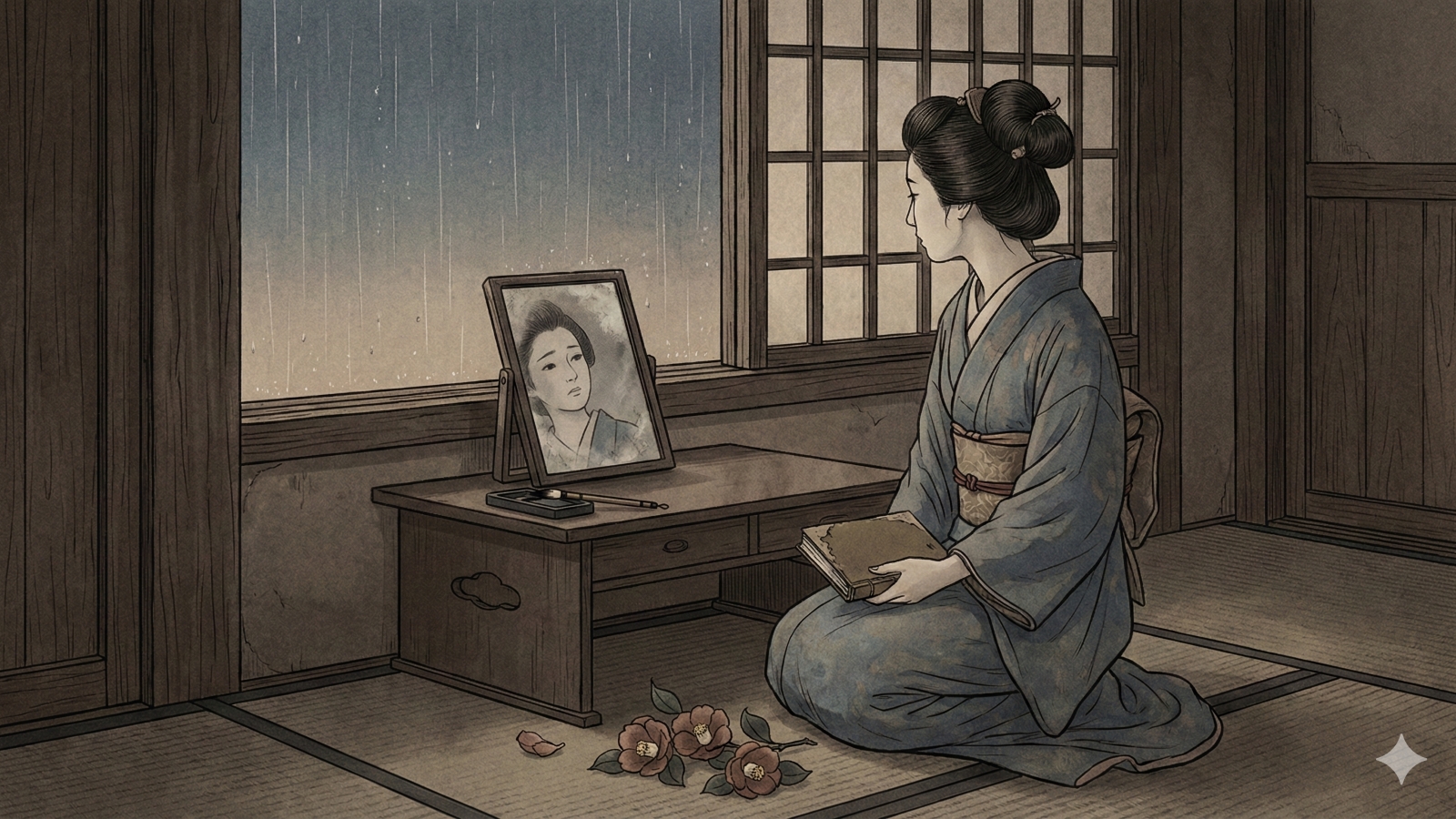
The Soul Screaming "I" - Stories of Fate and Pride by Modern Women
Should women's lives be plastered over with resignation to fate? Or is it a battle to break through social barriers and win one's own "life"? The dry self-mockery spat out by Ichiyō, the poignant scream released by Akiko for her beloved. We listen to the cries of their souls as they resisted the chains of their era, struggling through the mud to establish the "self."