

Japanese Views on Seasons - The Gaze of Literary Figures
Japanese literary figures have deeply engaged with the shifting seasons and the workings of life through various forms of expression such as novels and essays. Their delicate sensibilities and keen powers of observation open the door to a dialogue with nature for us, teaching us the beauty and philosophy hidden within everyday landscapes.

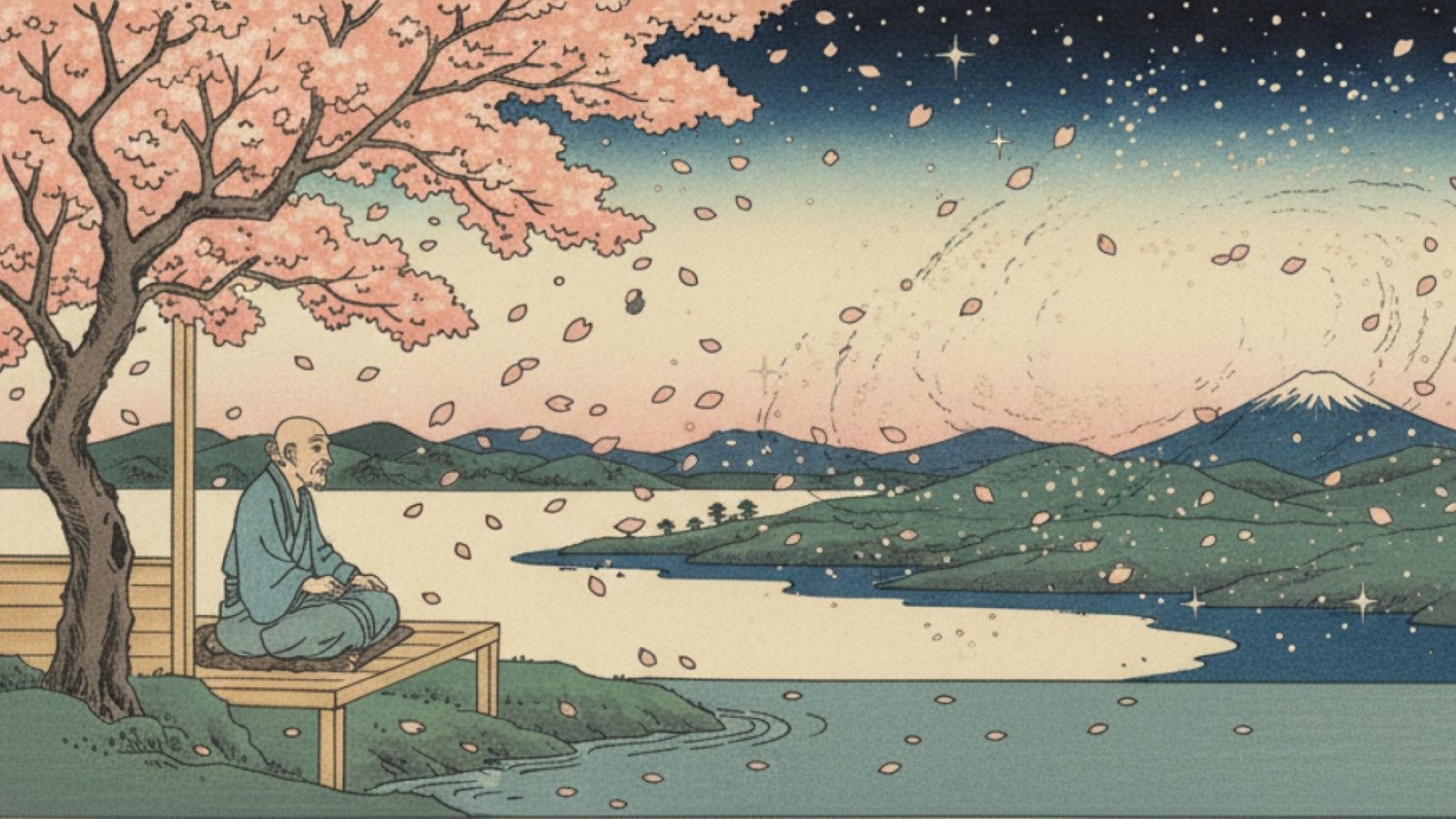
「春になれば人の顏にも花は咲くのである。」
“When spring comes, flowers bloom even on people’s faces.”
—— Koda Rohan, The Theory of Effort
[Commentary]
The blessings of the sun seem to change not only the trees and plants but even our own expressions. Rohan described the way our bodies and minds, having shrunk from the winter cold, are released with the arrival of spring—gaining good color and overflowing with vitality—as “flowers blooming.” He gently yet confidently explains the fact that humans are also part of nature, living within the great rhythm of the seasonal cycle. When you suddenly spot a sign of spring in yourself in the mirror, the warm truth held in these words will likely resonate in your heart.
「春雨、さみだれ、夕立、しぐれ、みぞれなど四季それぞれに変つた性格があることで雨もまた多少は楽しめないでもない」
“Since spring rain, early summer rain, evening showers, late autumn showers, and sleet all have different characters for each of the four seasons, rain too is not entirely unenjoyable.”
—— Sato Haruo, Our Sense of the Seasons
[Commentary]
Is there any other country that shows such rich expressions regarding the single phenomenon of rain? Having experienced the monotonous squalls of the south, the author realizes anew the delicate differences in character possessed by Japanese rain. From the softly falling spring rain to the late autumn showers that invite loneliness, rain is like a mirror reflecting the emotions of each season. Even on rainy days that tend to make us melancholy, by possessing a “gaze” that savors that atmosphere, we should be able to transform them into times of emotional richness.
「春は美しく面白く、夏は大きく清らかに、秋は古びてもの淋しく、冬はさびてからびたる感あり。」
“Spring is beautiful and amusing, summer is grand and pure, autumn is aged and somewhat lonely, and winter has a rusted and withered feel.”
—— Masaoka Shiki, Essentials of Haiku
[Commentary]
When the scenery of an ancient capital resonates with the atmosphere of the seasons, a unique “beauty” emerges there. Shiki defined the texture and mood held by each season with short, precise words. The expression “summer is grand and pure” is particularly striking, condensing the vitality of lush greenery and a sense of refreshment. This statement, which sharply captures not merely changes in temperature but the “aura” that the landscape wears, will surely serve as an excellent guide for us to discover the essence of the seasons within our everyday scenery.
「春夏秋冬の絶えざる変化を緯として、ここに錦繍の楽土が織り出されているのであります。」
“With the ceaseless changes of spring, summer, autumn, and winter as the weft, a brocaded paradise is woven here.”
—— Takahama Kyoshi, The Path to Haiku
[Commentary]
If the land of Japan were a single piece of textile, what would create its beauty? The author likens the varied topography of Japan to the “warp” threads, and the ceaselessly revolving transitions of the four seasons to the “weft” threads. He states that by the crossing of these two threads, a rich paradise is woven up, just like a beautiful brocade fabric. While we are embraced by that paradise, we tend to forget its blessings; however, the emotional leeway to find charm even in intense heat or severe cold may have been nurtured by this gaze upon nature. By holding the perspective of the seasonal cycle, everyday landscapes should appear even more colorful.
「人間の生滅も、花の開落と同じく宇宙の現象としてこれを眺めつつある。」
“I am gazing at the life and death of humans as a phenomenon of the universe, just like the blooming and falling of flowers.”
—— Takahama Kyoshi, The Path to Haiku
[Commentary]
What difference is there, really, between a human life and the life of a single flower? The author, approaching the age of eighty, looks back on his own life and speaks of his stance as a haiku poet. He has reached a state of enlightenment where the life and death of people are merely one phenomenon of the vast workings of the universe, just like plants sprouting, blooming, and eventually withering. In these words, one feels a quiet and magnificent gaze that moves away from a human-centric viewpoint and positions oneself within the great cycle of the natural world. It can be said that the haiku worldview, which overlaps the joys and sorrows of the human world with the shifting of seasons, is condensed here. When standing upon this vantage point, daily worries might begin to seem insignificant.
「自然に比べると人間の頭は小さくて単調なものであります。」
“Compared to nature, the human mind is small and monotonous.”
—— Takahama Kyoshi, What is Haiku?
[Commentary]
How many new things can we create using only our own imagination? The author preaches the importance of “sketching from life”—that is, observing nature as it is—in composing haiku. This single sentence demonstrates Kyoshi’s fundamental view of nature: that nature itself, being great and full of change, is far more creative than what the small human mind can devise. This is a humble gaze that views nature not as an object of domination or utility, but as an object of wonder and faith. This attitude is surely the source that produces works full of vitality, rather than mere desk theories. These words remind us of the importance of going outside and turning our eyes to nature when we are stuck in creation or when our thinking has become rigid.
「眠っているような植物の細胞の内部に、ひそかにしかし確実に進行している春の準備を考えるとなんだか恐ろしいような気もする」
“When I think of the preparations for spring proceeding secretly but surely inside the cells of plants that appear to be sleeping, I feel somewhat terrified.”
—— Terada Torahiko, Six Topics on Spring [III]
[Commentary]
The trees of winter, wrapped in silence, are playing a magnificent overture to the coming spring. In this essay, the author begins his contemplation with the discrepancy between the calendar spring and the actual climate, eventually turning his eyes to the vitality of plants. While humans remain unaware of the shifting seasons amidst their daily busyness, plants are quietly but steadily preparing to welcome spring. When imagining that activity at the invisible cellular level, the author says he feels a kind of awe. This gaze is directed not merely at visible phenomena like the blooming of cherry blossoms, but at the certain program of life working behind them. By touching upon nature’s precise and powerful workings, our own sense of time may also be renewed.
「春や襲いし、冬や遁れし」
“Spring has attacked, winter has fled.”
—— Kunikida Doppo, Musashino III
[Commentary]
Spring comes rushing in, chasing the back of the departing winter. This work is an essay in which the author spells out his deep affection for the nature of Musashino. In this section, quoting his own diary, he records the dramatic change of the season shifting from winter to spring. The quoted passage consists of words written when he felt the offense and defense of the seasons with his own skin while listening to the sound of the wind blowing violently on a March night. The personified expression, as if spring were attacking and winter were fleeing in confusion, condenses the author’s gaze that sharply captures the dynamism of nature. He likely perceived the workings of nature not as mere climatic changes, but as a grand drama in which two seasons collide.
「
“The late autumn shower whispers. The winter wind screams.”
—— Kunikida Doppo, Musashino
[Commentary]
Through what do you sense the shifting of the seasons? The author speaks of the charm of Musashino’s nature while superimposing it with descriptions from Russian literature. He seems particularly captivated by the scenery of the deciduous oak forests. The quoted passage captures the way the late autumn shower falls as if whispering, and the winter wind blows violently as if screaming. This can be called an expression born from a keen gaze, where it is not a mere change in weather, but as if nature were speaking to us with a will. Doppo deeply sensed the breathing of Musashino’s seasons through changes in sound and light.
「海が陸に征服せられる時が来た。」
“The time has come for the sea to be conquered by the land.”
—— Maeda Yugure, Wind and Wave Day
[Commentary]
The unchanging workings of nature and the changing workings of the human world. On the beach at Ito, the author quietly watches children playing in the fierce wind and waves, and fishermen struggling to send out boats. Then, a steamship appears, destined to be abolished by the opening of automobile roads—a symbol of modernization. Witnessing the world of the sea, symbolized by the ship, being “conquered” by the world of the land, such as railways and roads, the author cannot help but feel an irresistible loneliness. This text can be said to record a gaze full of sorrow for the fact that the lives of people who have coexisted with harsh nature are quietly disappearing due to the waves of a new era.
(Editorial Cooperation: Tomomi Nakayama, Haruna Ishita, Momona Sassa)
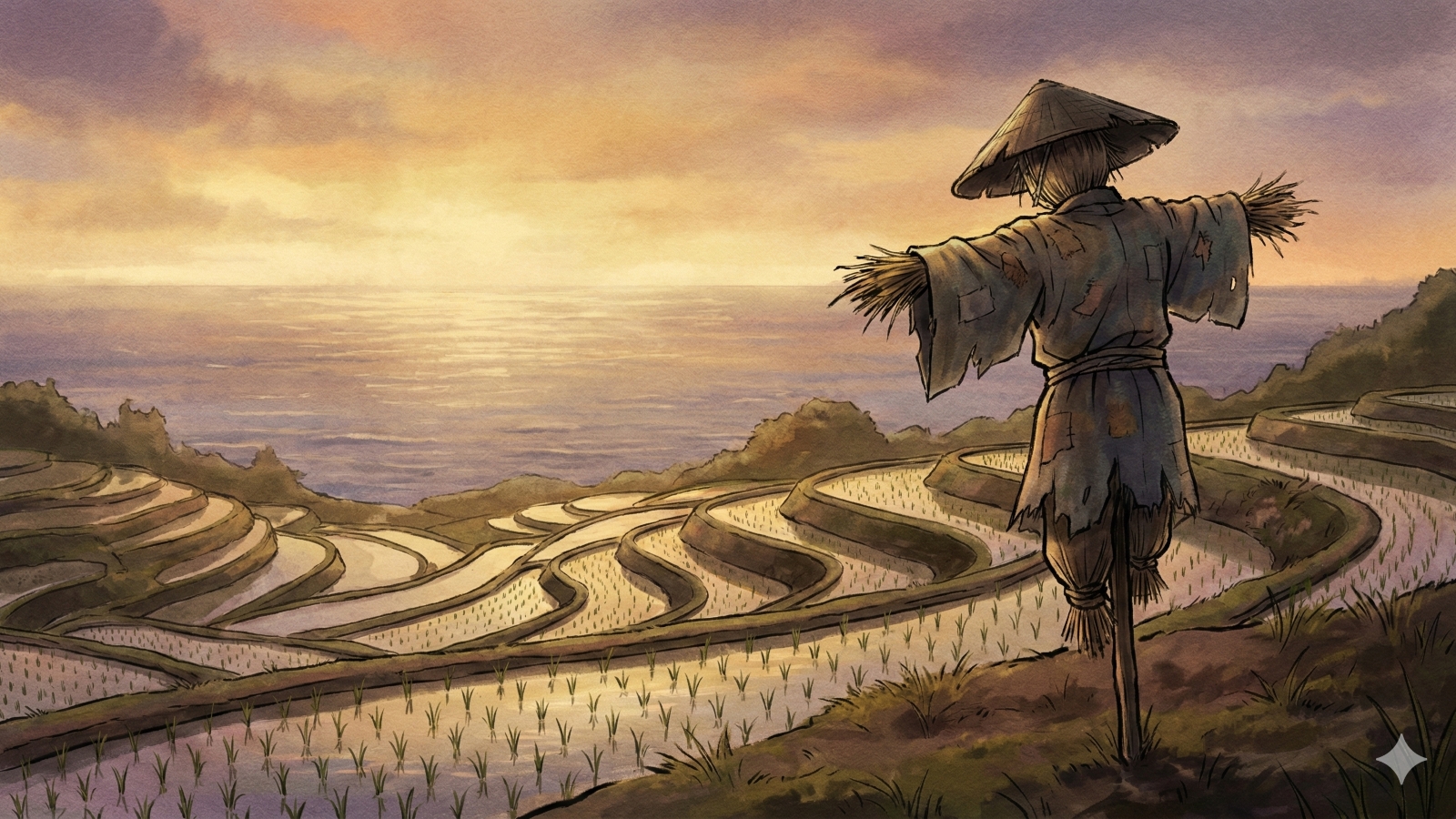
Japan's Primal Landscapes - A Tale of Memories Told by the Land
Superimposing the deceased onto the buzzing of flies, seeing gods in one-legged scarecrows. For Japanese people, these mysterious stories were not fantasy, but "life" itself, right next door. Longing for lands beyond the sea, legends remaining in ancient mounds. Why not travel through the frightening yet gentle "primal landscapes of the heart" gathered by Kunio Yanagita, Lafcadio Hearn, and others?

To Wonders Beyond Logic - The Beautiful Abyss Peered into by Scientists
Science is not just cold calculations. It is awe for nature beyond human understanding and an endless quest for beauty. Seeing the universe in a snowflake, feeling the ferocity of life in roadside grass... These are the adventurers of knowledge who confronted the overwhelming "mysteries" that appear only at the end of logic. We touch upon the records of their quiet yet passionate souls.
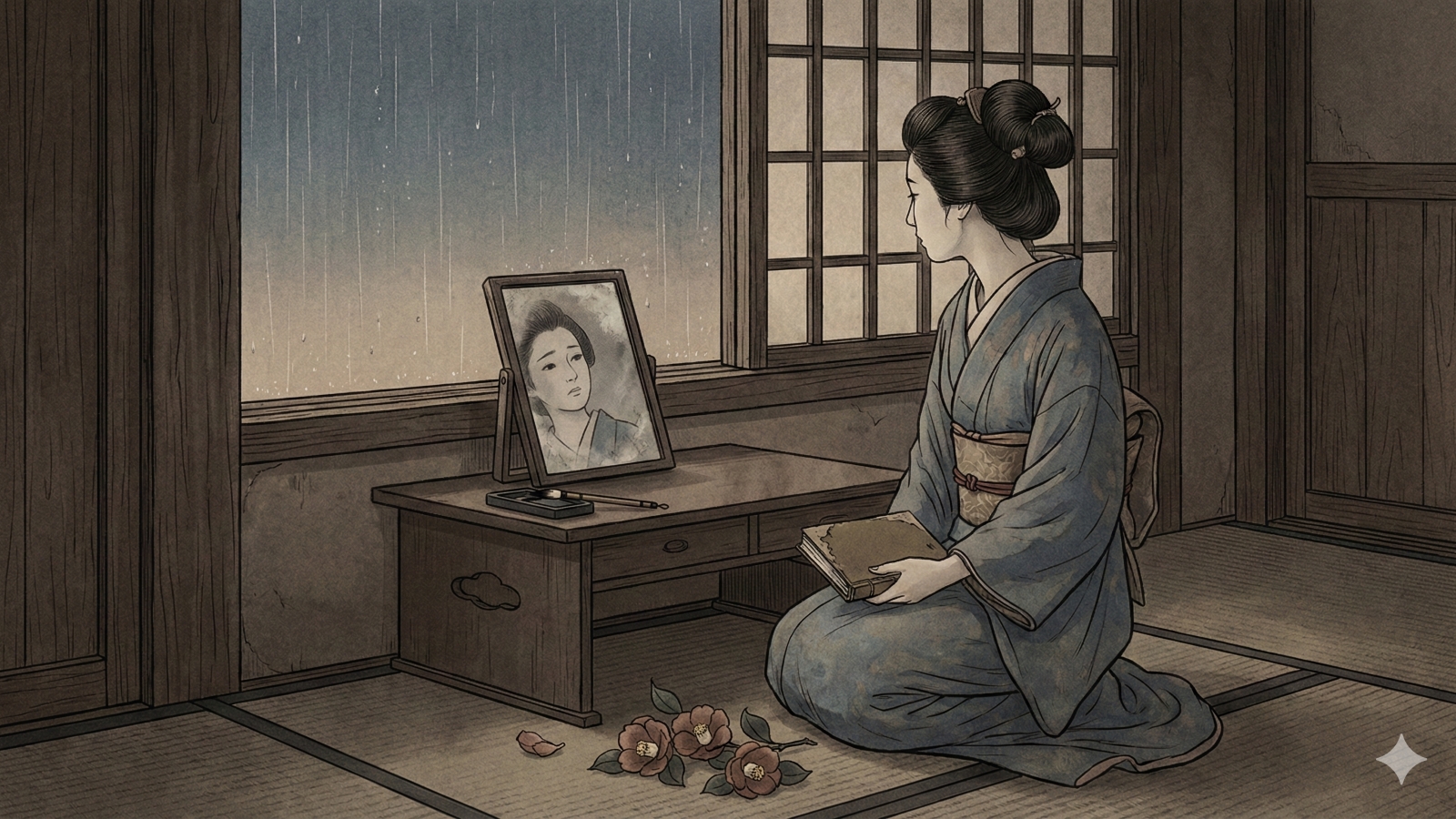
The Soul Screaming "I" - Stories of Fate and Pride by Modern Women
Should women's lives be plastered over with resignation to fate? Or is it a battle to break through social barriers and win one's own "life"? The dry self-mockery spat out by Ichiyō, the poignant scream released by Akiko for her beloved. We listen to the cries of their souls as they resisted the chains of their era, struggling through the mud to establish the "self."
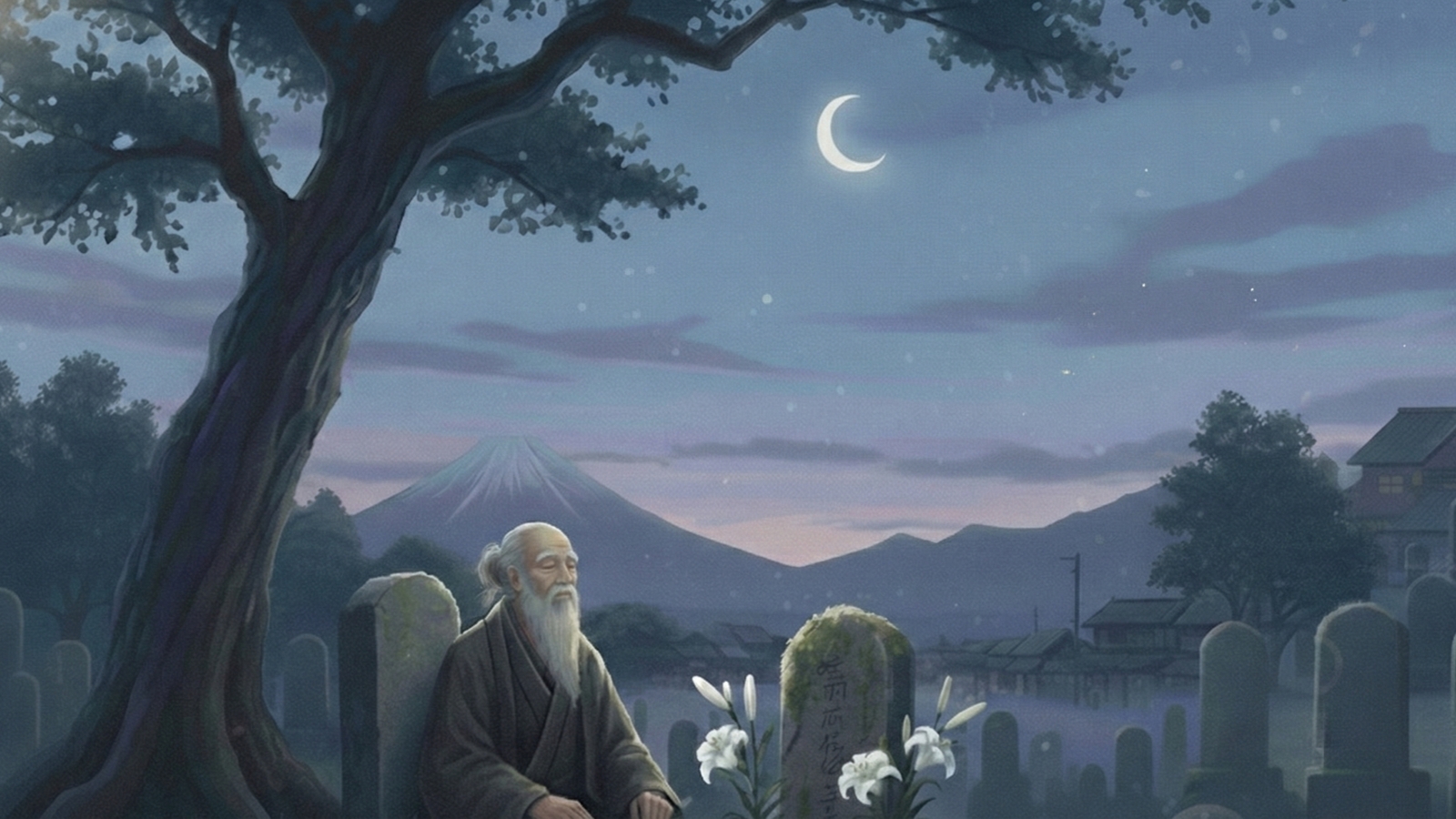
In Search of Unfading Illusions - Time and Memory Depicted by Great Writers
Memories—aren't they often more beautiful, and yet more cruel, than reality? The traces of a face in a photograph can be more vivid than the real thing, or love alone might remain even after a name is forgotten. Here, we depict "days gone by" that have crystallized within memory, transcending physical time. Why not take a peek into this world of lost time, which shines precisely because it can never return?