

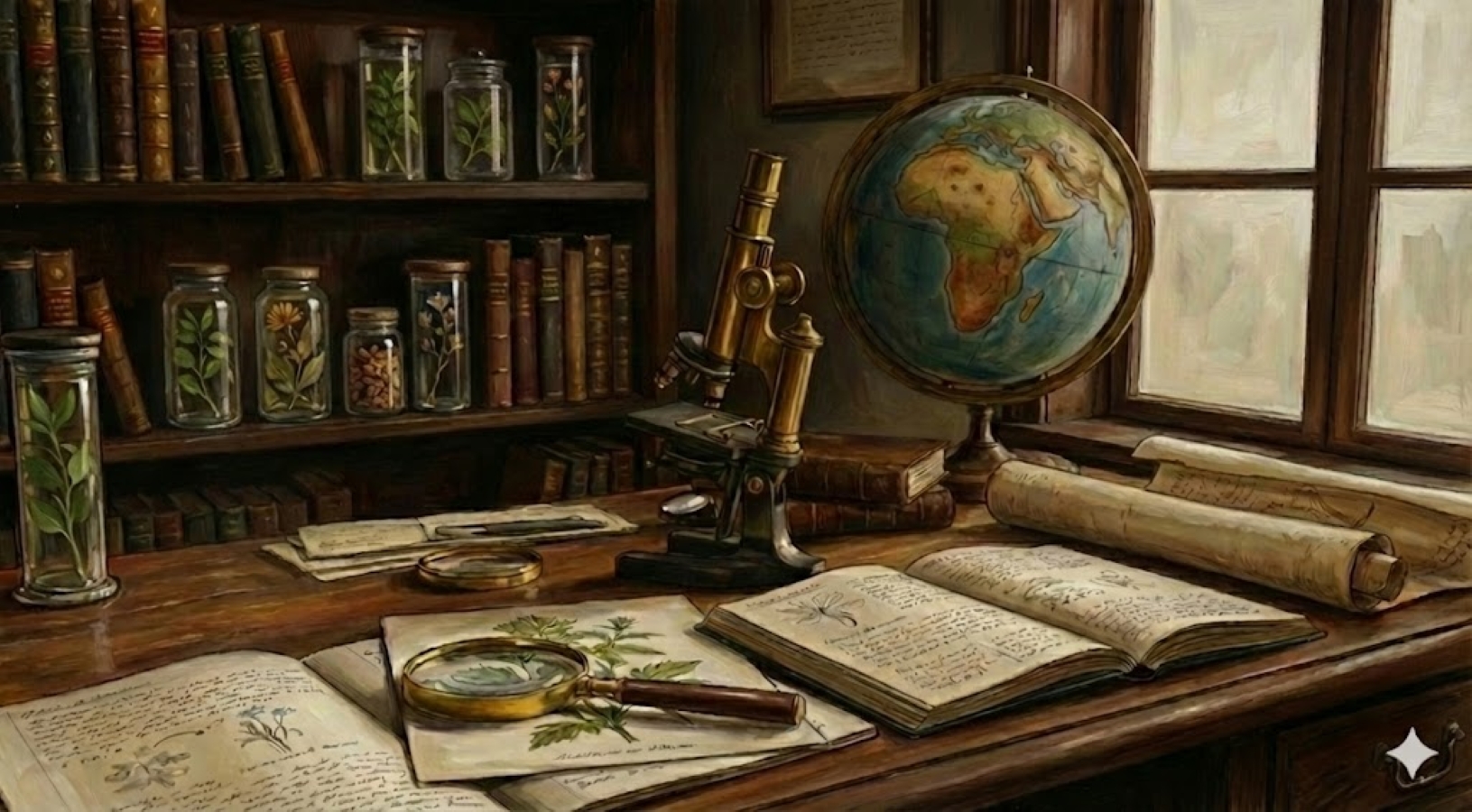
To Wonders Beyond Logic - The Beautiful Abyss Peered into by Scientists
Science is not just cold calculations. It is awe for nature beyond human understanding and an endless quest for beauty. Seeing the universe in a snowflake, feeling the ferocity of life in roadside grass... These are the adventurers of knowledge who confronted the overwhelming "mysteries" that appear only at the end of logic. We touch upon the records of their quiet yet passionate souls.

「読んで見て面白かったということだけで充分なのである。」
“It is enough simply to find it interesting to read and look at.”
—— Ukichiro Nakaya, Science and Culture
【Commentary】
Do not cloud the joy of gaining knowledge with difficult logic. The author asserts that the most important thing in popularizing science is not high-minded debate or moral lessons, but conveying the overwhelming “fun” that facts themselves possess. A single grain of sand, a single bolt of lightning—countless dramas stimulating human intellectual curiosity are hidden there. Just as we are moved by a painting in a museum, we should purely let our hearts dance at the wonders of natural phenomena. That simple emotion is surely the strongest bridge connecting science and culture.
「眠っている地球が一度目を覚ますと、[…] それは人間のあらゆる空想を一度にはじきとばしてしまうであろう。」
“Once the sleeping earth awakens… it will likely blow away every human fantasy at once.”
—— Ukichiro Nakaya, Journey to the West
【Commentary】
Is the ground we live on truly an immovable existence? Citing the drastic topographic changes in Central Asia and the collapse of the Pamir Mountains, the author warns that if the giant known as Earth moves even once, energy beyond human imagination will be unleashed. This quote awakens the “awe of nature” we often forget in daily life, reminding us that science is not merely a system of knowledge, but an endeavor to confront overwhelming natural forces. We cannot help but feel shuddering awe at the fact that dramatic changes, exceeding even the tales of Sun Wukong, are progressing slowly beneath our feet.
「科学はたしかに人間の幸福にも役立つものであって、その一つに、新しい美を発見するという大切な要素がある」
“Science certainly serves human happiness, and one important element of that is the discovery of new beauty.”
—— Ukichiro Nakaya, The Gifts of Nature
【Commentary】
Do we limit the role of science to just the pursuit of convenience and efficiency? While improving snowflake photography techniques, the author reaffirmed that science has the power to expose “beauty invisible to the naked eye” to the light of day. In an era where destructive aspects like the atomic bomb are often emphasized, unearthing the structural beauty hidden deep in nature can be seen as a spiritual salvation science offers humanity. The quest for truth is simultaneously a quest for beauty. Every time we view the world through a new lens, we are left breathless by the astonishing harmony hidden there.
「しかるに何の惜しげなくこれを滅尽するは、科学を重んずる外国に対して恥ずべきの至りなり」
“However, to exterminate this without any regret is the height of shame before foreign nations that value science.”
—— Kumagusu Minakata, Opinions on Shrine Mergers
【Commentary】
Is environmental destruction synonymous with closing off the future of science? Kumagusu Minakata expressed fierce anger at the loss of habitats for precious microscopic organisms due to shrine mergers. To him, shrine forests were more than just places of faith; they were “treasuries of wonder” preserving globally rare ecosystems. He asserts that destroying such treasuries out of ignorance is a shameful act in the eyes of the international community that respects scientific inquiry. Here, the passionate pride of a scientist trying to protect nature’s mysteries is etched deeply.
「家や城を建てる時牲にされた人畜がヌシになるのだ」
“The humans and animals sacrificed when building houses or castles become the masters (nushi) of those places.”
—— Kumagusu Minakata, Tales of Human Pillars
【Commentary】
The true identity of yokai and strange occurrences might actually be human history itself. Kumagusu examines mysterious legends like zashiki-warashi (parlor spirits) and castle masters by linking them to the past custom of “human pillars” (human sacrifice). He attempts to rationally dissect phenomena feared as supernatural “wonders” from a folkloric perspective, decoding the social background and human psychology behind them. Transforming fear into understanding through knowledge—this, too, can be called a type of scientific approach.
「時計や晴雨計を持たぬ所では、草木を觀察して時や天氣を察知した例多し」
“In places without clocks or barometers, there are many instances where time and weather were divined by observing plants and trees.”
—— Kumagusu Minakata, Listening to the Sound of Lotus Flowers Opening
【Commentary】
How did people measure the world in an era without scientific instruments? They did so through an observational eye that read nature itself as a precise gauge. Knowing the time or weather from the blooming of lotuses or the state of vegetation is the primordial form of science, systematizing the laws (wonders) of the natural world through empirical rules. Becoming sensitive to changes in the living things around us should reawaken the “art of conversing with nature” that we moderns are beginning to forget.
「草でも木でも最も勇敢に自分の子孫を継ぎ、自分の種属を絶やさぬことに全力を注いでいる」
“Whether grass or tree, they most bravely devote their all to continuing their descendants and ensuring their species does not perish.”
—— Tomitaro Makino, Knowledge of Plants
【Commentary】
Do we look down on plants as “silent things”? Dr. Makino views flowers as “beautiful reproductive organs” and preaches that plants, animals, and humans are equally passionate and “brave” beings when it comes to leaving behind offspring. From a biological perspective, all life stands on an equal horizon, each desperately running the relay of life. When we realize the strength of this fundamental activity, our view of roadside weeds should change from mere scenery to a “wonder of coexisting life.”
「時を逆転した映画の世界では […] 世界は平等から差別へ、涅槃から煩悩へとこの世は進展するのである。」
“In the world of a film where time is reversed… the world progresses from equality to discrimination, from Nirvana to earthly desires.”
—— Torahiko Terada, The World Image of Cinema
【Commentary】
If we reverse the arrow of time, miracles occur where crumbled rubble rises on its own to return to magnificent architecture. Torahiko examines the “reversal of time” caused by playing film backward from the physical perspective of decreasing entropy. It goes beyond a mere visual trick; it is an astonishing experience that pulls the fate of the universe—heading toward heat death (Nirvana)—back into a world of activity and differentiation (earthly desires). The new perspectives brought by scientific technology provide us with wonders that fundamentally question the nature of our world.
「いわゆる科学的説明が一通りできたとしても実はその現象の神秘は […] むしろますます深刻になるだけの事である。」
“Even if a so-called scientific explanation is provided, the mystery of the phenomenon… actually becomes all the more profound.”
—— Torahiko Terada, The Evolution of Monsters
【Commentary】
We tend to assume that once the logic is understood, the magic disappears. However, Torahiko points out that even if a scientific explanation is applied to a strange phenomenon, we have merely stood at the entrance of the phenomenon. Questions such as why such laws exist, or when and where specific events occur, remain as deep enigmas. The mystery of nature that deepens the more we know is the true wonder that drives scientists toward endless exploration.
「実際科学の巻物には始めはあっても終わりはないはずである。」
“Indeed, the scroll of science may have a beginning, but it should have no end.”
—— Torahiko Terada, Lucretius and Science
【Commentary】
The endeavor of science is like an unfinished scroll written continuously forever. Torahiko Terada finds the very essence of science in the fact that the work of the ancient poet Lucretius ends abruptly with a description of a plague. Individual knowledge and theories are updated with the times, but the “core”—the wonder toward the unknown and the spirit of inquiry—remains immutable. The attitude of starting from wonder and continuing to question is the scientific spirit, and no easy period is put to it. Torahiko quietly affirms the richness of being unfinished.
(Editing cooperation: Haruna Ishita, Momona Sassa)
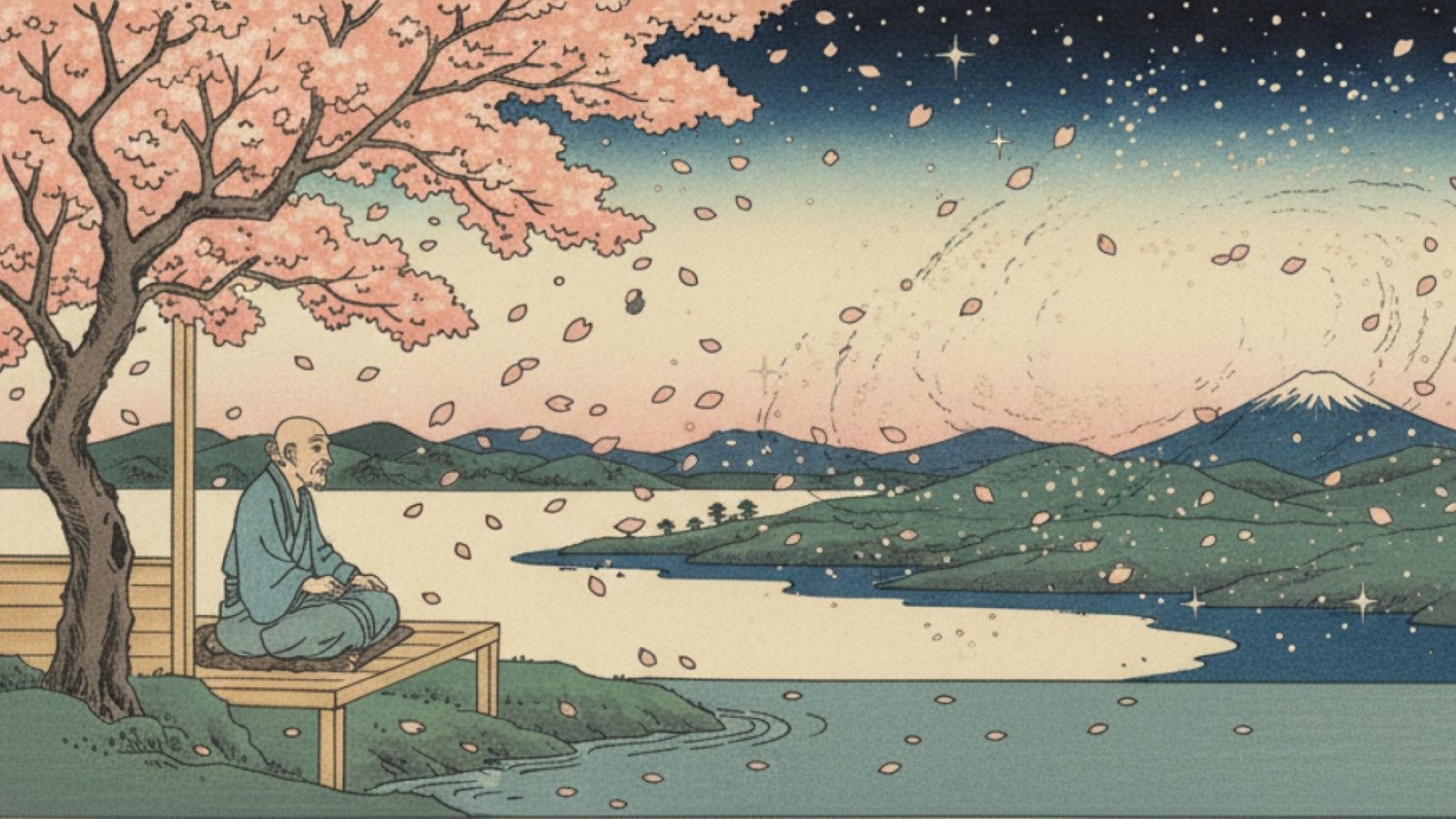
Japanese Views on Seasons - The Gaze of Literary Figures
Japanese literary figures have deeply engaged with the shifting seasons and the workings of life through various forms of expression such as novels and essays. Their delicate sensibilities and keen powers of observation open the door to a dialogue with nature for us, teaching us the beauty and philosophy hidden within everyday landscapes.
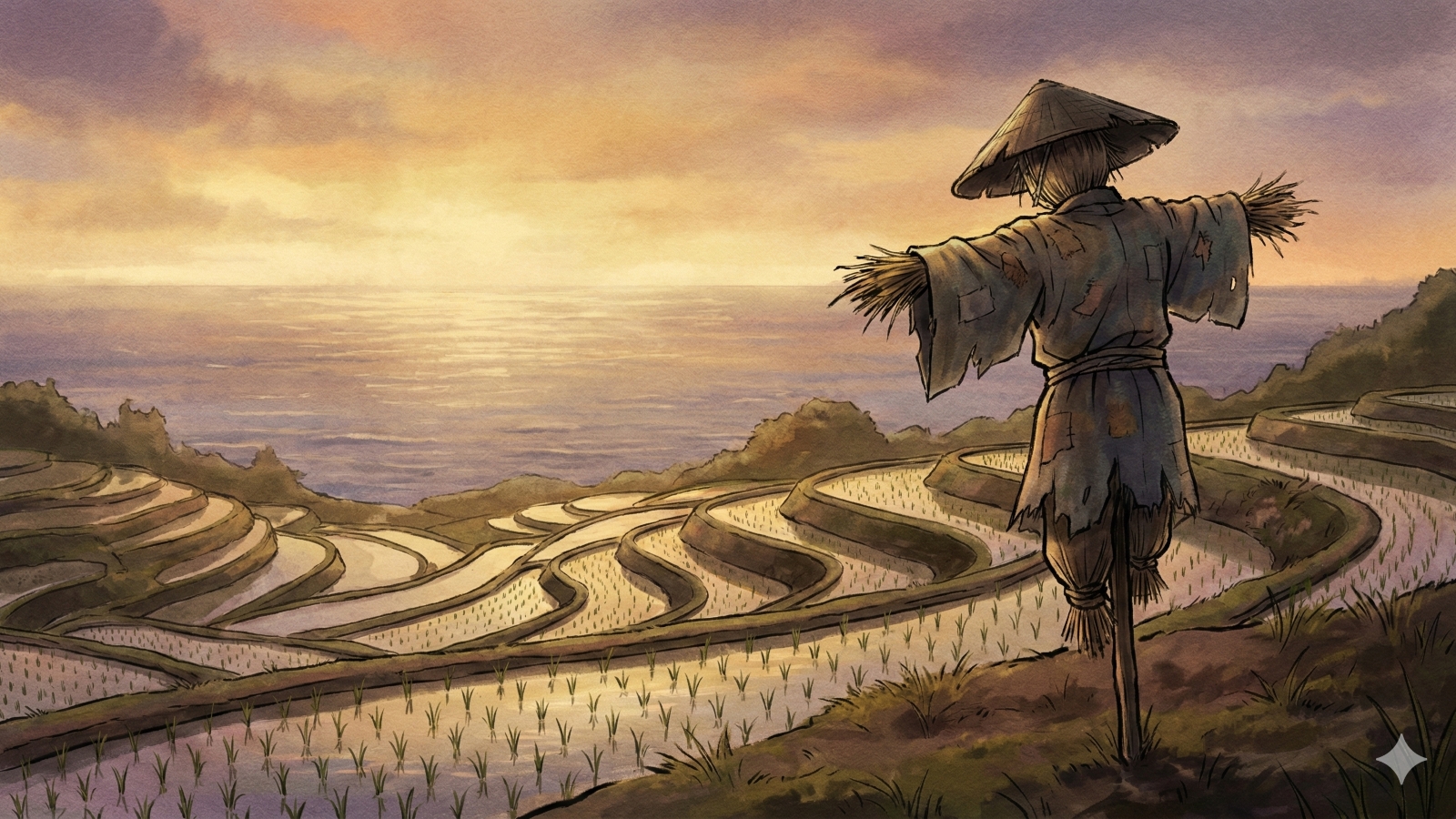
Japan's Primal Landscapes - A Tale of Memories Told by the Land
Superimposing the deceased onto the buzzing of flies, seeing gods in one-legged scarecrows. For Japanese people, these mysterious stories were not fantasy, but "life" itself, right next door. Longing for lands beyond the sea, legends remaining in ancient mounds. Why not travel through the frightening yet gentle "primal landscapes of the heart" gathered by Kunio Yanagita, Lafcadio Hearn, and others?
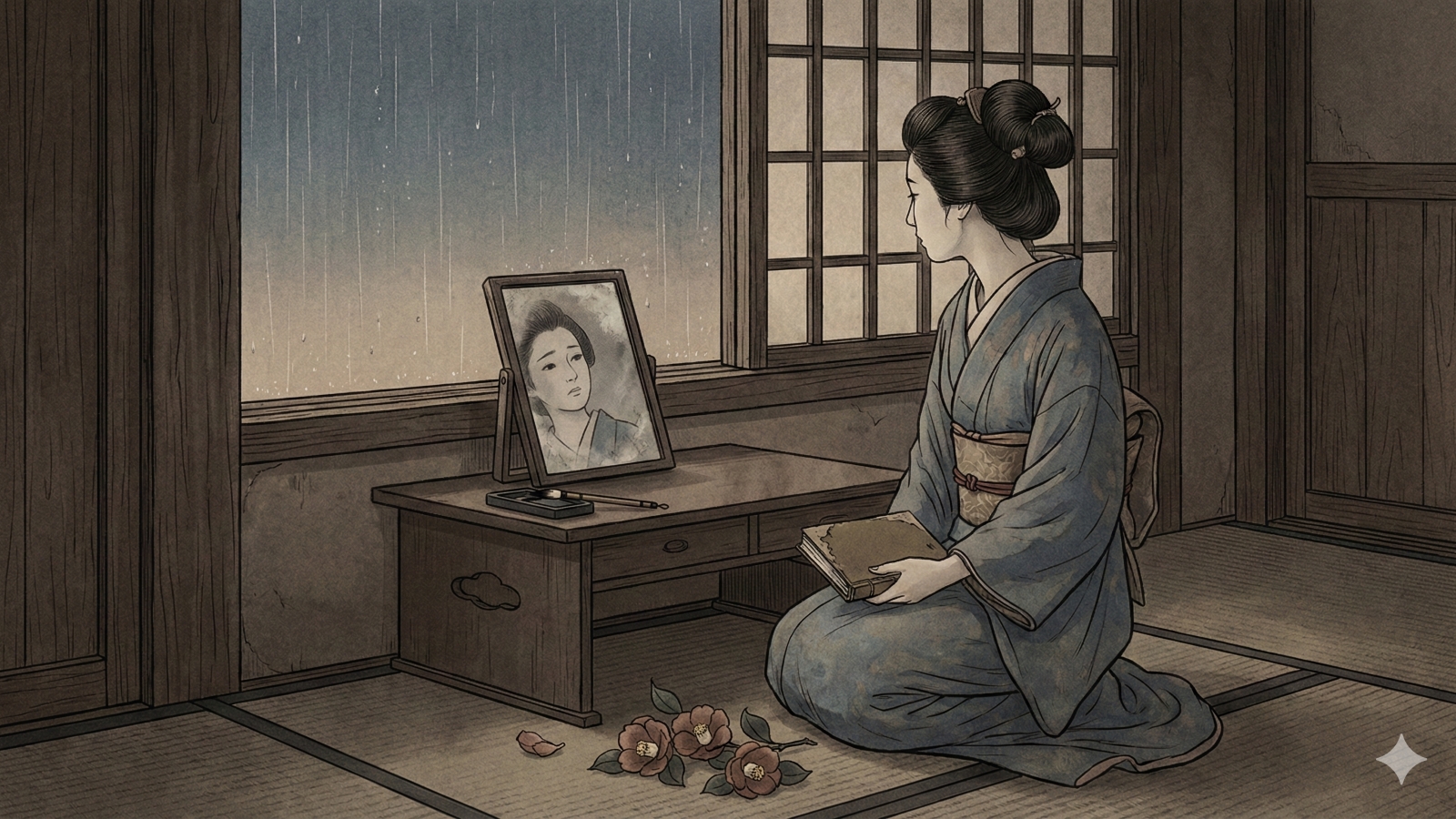
The Soul Screaming "I" - Stories of Fate and Pride by Modern Women
Should women's lives be plastered over with resignation to fate? Or is it a battle to break through social barriers and win one's own "life"? The dry self-mockery spat out by Ichiyō, the poignant scream released by Akiko for her beloved. We listen to the cries of their souls as they resisted the chains of their era, struggling through the mud to establish the "self."
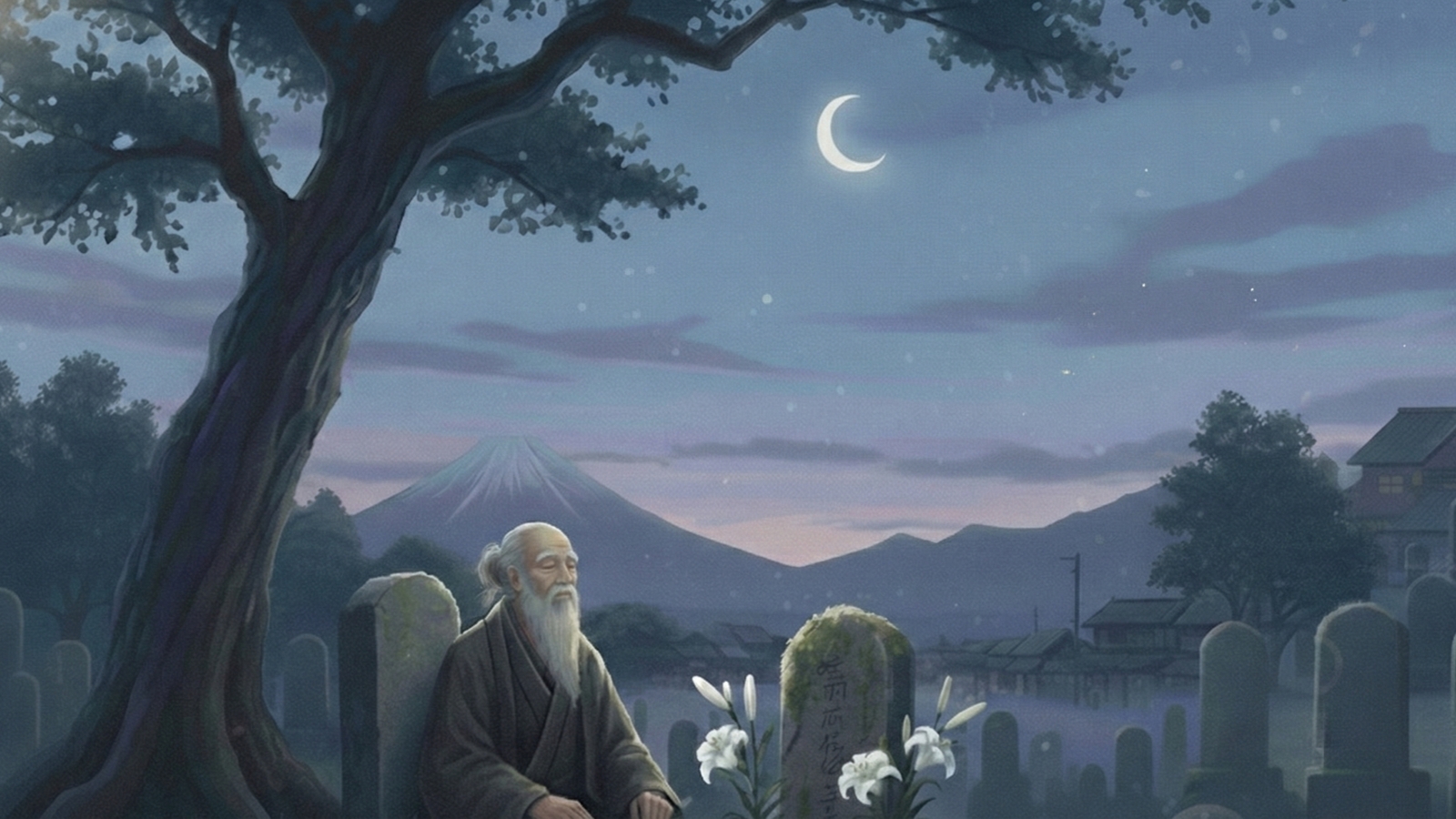
In Search of Unfading Illusions - Time and Memory Depicted by Great Writers
Memories—aren't they often more beautiful, and yet more cruel, than reality? The traces of a face in a photograph can be more vivid than the real thing, or love alone might remain even after a name is forgotten. Here, we depict "days gone by" that have crystallized within memory, transcending physical time. Why not take a peek into this world of lost time, which shines precisely because it can never return?