

The Tragic Mother and Son Turned into Stars - The Story of Callisto and Ursa Major
Ursa Major shines in the night sky. Hidden within its origin is the tragic fate of Callisto, a maiden who vowed chastity, tossed about by the love and hatred of the gods. We unravel this singular tale from ancient texts.


The Tragic Mother and Son Turned into Stars: The Story of Callisto and Ursa Major
When looking up at the night sky, one can see Ursa Major shining continuously around Polaris. This constellation embodies the figures of a parent and child who once lived on earth as mother and son, were swept into a vortex of the gods’ intense love and jealousy, and were ultimately burdened with the fate of circling the heavens for eternity.
The Chaste Hunter Callisto and the False Goddess
The setting of the story is the region of Arcadia, covered in deep forests. Callisto, the daughter of Lycaon who ruled this land, was one of the maidens serving the goddess Artemis (Diana in Rome). She did not dress up; she simply bound her hair with a white ribbon, held a bow or javelin in her hand, and devoted herself to the life of a hunter, roaming the fields and mountains with the goddess (Ovid Metamorphoses 2.411–416).
The followers of Artemis were bound by an absolute rule to maintain their chastity, just like the goddess. However, her dignified and beautiful appearance could not escape the eyes of Zeus (Jupiter). One afternoon, as Callisto was resting in the deep forest, Zeus devised a cunning plan to approach her. He transformed not into his own majestic form, but into the guise of Artemis, whom Callisto revered most.
“hoc certe furtum coniunx mea nesciet” inquit, “aut si rescierit sunt o sunt iurgia tanti.” Protinus induitur faciem cultumque Dianae
“My wife will certainly not know of this theft [affair],” he said, “or if she does find out, the quarrels are worth it.” Immediately, he put on the face and attire of Diana.
(Ovid Metamorphoses 2.423–425)
The false goddess asked gently, “Maiden, on which mountain have you been hunting?” Callisto, unaware that the other was Zeus, replied with a greeting: “Goddess more noble than the king of all things (Zeus).” Zeus, delighted that his disguise was worshipped more than his true self, kissed her. However, the kiss was too passionate for one exchanged between modest maidens (Ovid Metamorphoses 2.426–431).
Callisto attempted to resist, but she could hardly stand against the omnipotent god. Thus, she was deprived of her virginity, and Zeus returned to the heavens. For the left-behind Callisto, the forest she once loved had now become a place of loathsome memories (Ovid Metamorphoses 2.436–438).
The Revealed Secret and Exile
Callisto tried to hide what had happened to her. However, her body, bearing the child of a god, could not keep the secret as time passed. The fateful day arrived around the time the ninth full moon came around.
Artemis and her followers found a cool, clear stream and began to remove their garments to bathe. While everyone stripped naked, only Callisto hesitated to remove her clothes. However, hesitation bred suspicion, and finally, her garment was torn off. At that moment, the undeniable truth was exposed to the light of day (Ovid Metamorphoses 2.453–462).
Parrhasis erubuit. Cunctae velamina ponunt: una moras quaerit. Dubitanti vestis adempta est; qua posita nudo patuit cum corpore crimen.
The Parrhasian maiden [Callisto] blushed. All removed their veils; she alone sought delay. The garment was removed from the hesitating one; with it put aside, her crime was revealed along with her naked body.
(Ovid Metamorphoses 2.460–462)
Artemis, who valued chastity, was furious. “Depart from here; do not pollute the sacred spring,” she declared, banishing Callisto from her band of followers (Ovid Metamorphoses 2.464–465).
In another tradition, it is said that Artemis herself noticed the change in Callisto and questioned the reason. When Callisto replied, “It is the work of that god,” or because she could not hide her pregnancy and it was discovered during bathing, she incurred the goddess’s wrath and was transformed into a beast on the spot (Eratosthenes Catasterismi 1; Hyginus Astronomica 2.1.2).
The Stolen Human Form and the Remaining Heart
Callisto’s tragedy did not end with exile. Zeus’s wife Hera (Juno), having learned of her husband’s infidelity and the existence of the son Arcas whom Callisto had birthed, was waiting for an opportunity for revenge. Enraged that she had “even borne a child to prove my husband’s disgrace,” Hera inflicted a cruel punishment: stealing Callisto’s beauty (Ovid Metamorphoses 2.471–474).
When Callisto stretched out her arms to beg for forgiveness, her arms began to be covered with black fur, and her hands changed into the feet of a beast with curved, sharp claws. The beautiful mouth that had once charmed Zeus deformed into the jaws of a beast with terrifying fangs (Ovid Metamorphoses 2.477–481).
posse loqui eripitur; vox iracunda minaxque plenaque terroris rauco de gutture fertur. Mens antiqua tamen facta quoque mansit in ursa,
The ability to speak is snatched away; an angry and threatening voice, full of terror, issues from her hoarse throat. Yet her former mind remained even in the bear she had become,
(Ovid Metamorphoses 2.483–485)
Although she had taken the form of a bear, she retained her human heart. Therefore, she feared the beasts of the forest. Despite being a bear, she avoided bears, was frightened by wolves, and had to live hiding from the very prey she used to hunt (Ovid Metamorphoses 2.493–495).
Mother and Son Reunion, then to the Stars
Time passed, and Callisto’s son Arcas grew into a young man of fifteen. One day, while hunting in the forest, by a twist of fate, he encountered his mother Callisto, who had become a bear. Callisto recognized her child at a glance and stood still, gazing at him continuously.
However, there was no way for Arcas to know the bear’s true identity. Terrified by the huge beast staring at him, he attempted to thrust his spear into his mother’s chest (Ovid Metamorphoses 2.496–504).
At that very moment, when the greatest tragedy of matricide was about to be committed, Zeus intervened. He swept the two up in a whirlwind and carried them away to the heavens. He then placed the mother as Ursa Major (the Great Bear) and the son as Boötes (the Herdsman) shining beside her in the starry sky (Ovid Metamorphoses 2.505–507; Hyginus Astronomica 2.4.1).
According to another tradition, Callisto (now a bear) and Arcas pursuing her wandered into the sanctuary of Zeus on Mount Lycaeus. Just as they were about to be executed, they were saved by Zeus (Hyginus Astronomica 2.1.2). In either case, on the verge of death, the two became celestial stars.
The Fate of the Never-Setting Stars
For Callisto to shine as a star was unforgivable to the jealous Hera. She visited the sea gods Oceanus and Tethys and vented her anger (Ovid Metamorphoses 2.508–530).
Hera begged one favor of the aged sea gods.
gurgite caeruleo septem prohibete triones sideraque in caelo, stupri mercede, recepta pellite, ne puro tingatur in aequore paelex.”
Keep the seven triones [the Great Bear] from your blue waters, and drive away the stars received in the sky as the reward for whoredom, so that the concubine may not dip in your pure ocean.
(Ovid Metamorphoses 2.528–530)
The sea gods granted Hera’s wish. As a result, Ursa Major was not permitted to sink below the horizon and rest in the sea like other stars, but was destined to circle the northern sky forever (Hyginus Astronomica 2.1.5).
Ancient people looked up at the stars in the northern sky that never set, superimposing upon them the figures of a mother who bore a harsh fate despite receiving divine love, and a son who continues to chase after that mother.
(Editorial Assistance: Yuki Suzuki)

Japanese Views on Seasons - The Gaze of Literary Figures
Japanese literary figures have deeply engaged with the shifting seasons and the workings of life through various forms of expression such as novels and essays. Their delicate sensibilities and keen powers of observation open the door to a dialogue with nature for us, teaching us the beauty and philosophy hidden within everyday landscapes.
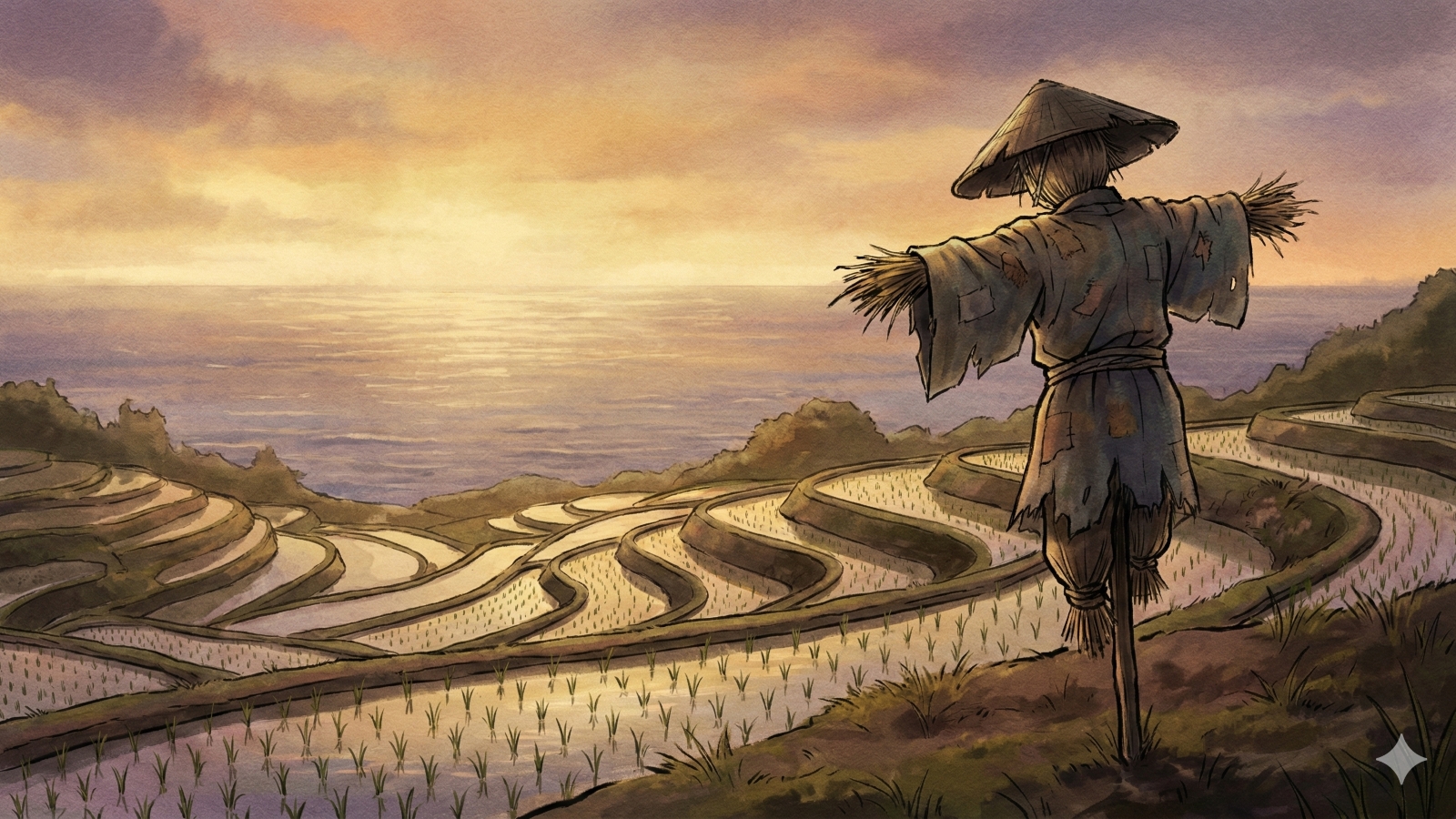
Japan's Primal Landscapes - A Tale of Memories Told by the Land
Superimposing the deceased onto the buzzing of flies, seeing gods in one-legged scarecrows. For Japanese people, these mysterious stories were not fantasy, but "life" itself, right next door. Longing for lands beyond the sea, legends remaining in ancient mounds. Why not travel through the frightening yet gentle "primal landscapes of the heart" gathered by Kunio Yanagita, Lafcadio Hearn, and others?
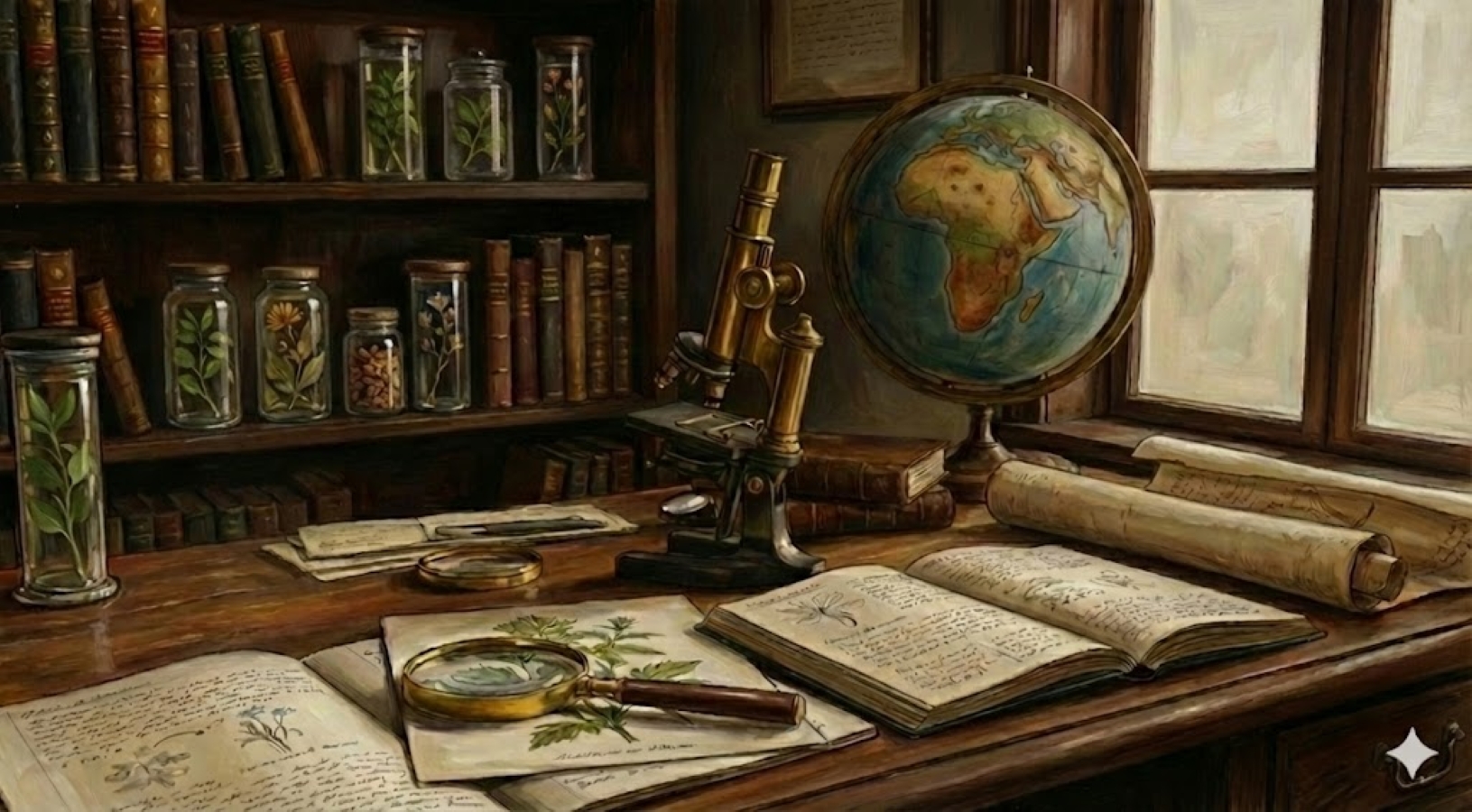
To Wonders Beyond Logic - The Beautiful Abyss Peered into by Scientists
Science is not just cold calculations. It is awe for nature beyond human understanding and an endless quest for beauty. Seeing the universe in a snowflake, feeling the ferocity of life in roadside grass... These are the adventurers of knowledge who confronted the overwhelming "mysteries" that appear only at the end of logic. We touch upon the records of their quiet yet passionate souls.
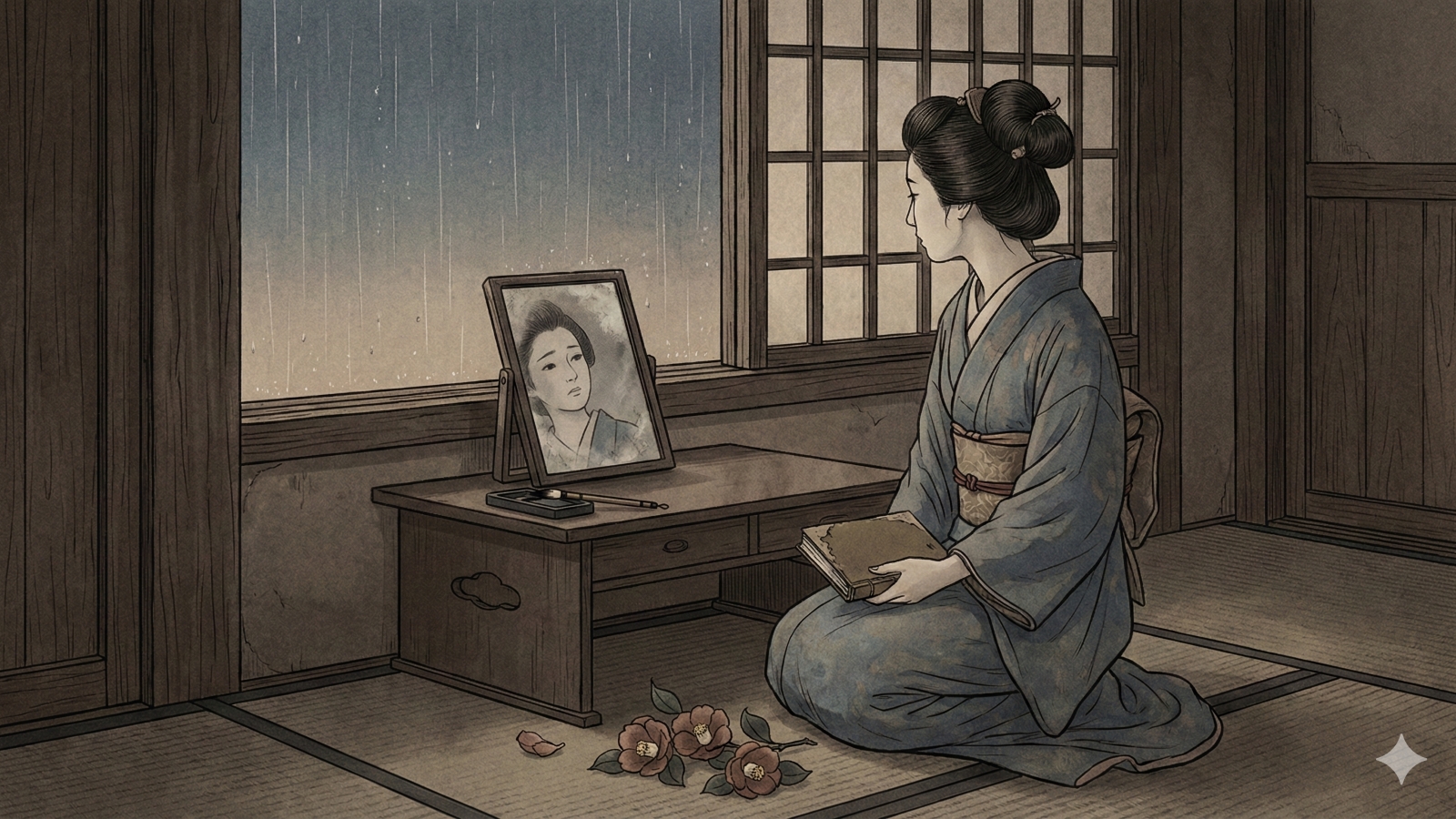
The Soul Screaming "I" - Stories of Fate and Pride by Modern Women
Should women's lives be plastered over with resignation to fate? Or is it a battle to break through social barriers and win one's own "life"? The dry self-mockery spat out by Ichiyō, the poignant scream released by Akiko for her beloved. We listen to the cries of their souls as they resisted the chains of their era, struggling through the mud to establish the "self."