

Between City and Countryside - Landscapes of the Heart in Modern Literature
The small blessings of nature found in a dusty corner of the city, and the endless nostalgia for the simple scenery of home. Writers like Nagai Kafu and Yokomitsu Riichi found solace amid the urban clamor, while Natsume Soseki keenly observed the contradictions of the city and the essence of humanity. We explore the landscapes of a changing era and the subtle stirrings of the heart within them, as depicted by modern authors through the contrast between the city and the countryside.

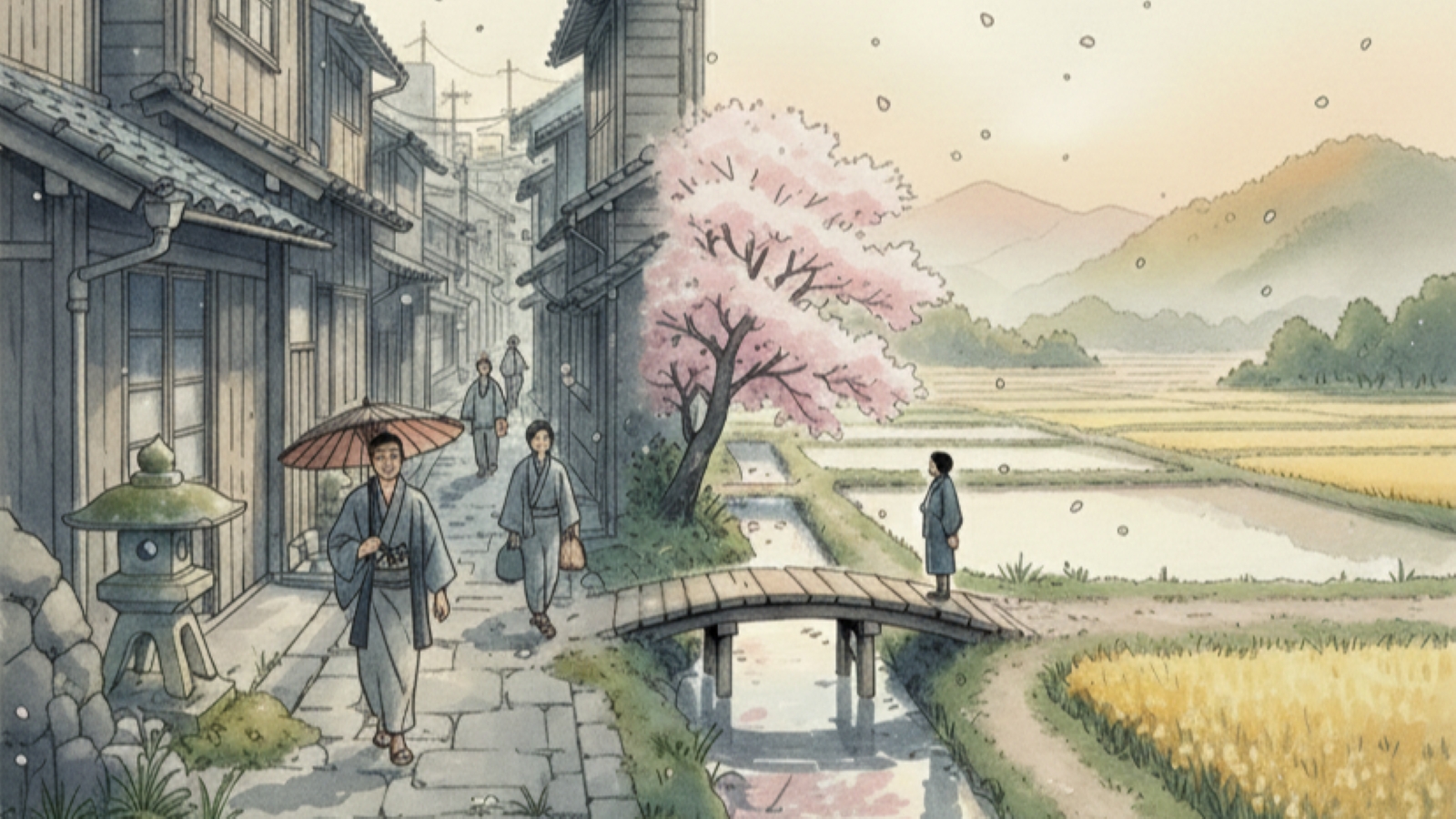
「われら
“We unfortunate poets must be more deeply grateful for the blessings of ‘nature’ in the dusty city than in the countryside.”
— Nagai Kafu, Hiyorigeta
[Commentary]
While lamenting the vanishing scenery, one finds beauty in the little nature that remains. This sentence encapsulates such a paradoxical sensibility. The author critically viewed the streets of Tokyo as they were blandly transformed by modernization, turning his attention to vacant lots called “kanchi” that were left behind by development. He believed that poetic beauty dwelled in the weeds growing wild there and the moonlight that illuminated them. This quote expresses the poet’s sentiment that one should feel a deeper gratitude for the small blessings of nature found in a dusty corner of the city, even more so than in the lush, natural countryside. Perhaps it is within the artificial landscape of the city that the presence of “nature” stands out most, appealing strongly to the heart.
「一言すれば田舎のどこへ行つても見ることの出来る、いかにも田舎らしい、穏かな、平凡な風景。」
“In a word, it was a calm, ordinary landscape, so very rustic, the kind you could see anywhere in the countryside.”
— Nagai Kafu, Azemichi
[Commentary]
Aren’t the memories of a trip often of a casual roadside scene rather than a famous tourist spot? The author, who moved from Tokyo to Ichikawa in Chiba, found daily joy in strolling along ordinary country roads that were not famous landmarks. He felt a casual, “everyday clothes” sort of intimacy and peace in the most unremarkable scenes—a sloping path through a pine forest, the figure of a woman washing vegetables, a farmer’s yard where crop seeds were drying in the autumn sun. This passage suggests that true comfort lies not in glamorous places where people flock, but in the calm and ordinary rural landscapes that can be found anywhere. The charm of a scene that gently seeps into the heart, rather than causing intense emotion, is quietly described here.
「都会では醜く思はれる事も田園で行はれゝば
“What might seem ugly in the city is suddenly transformed into a beautiful, poetic scene when it takes place in the countryside.”
— Nagai Kafu, Azemichi
[Commentary]
Why is it that the impression of the same event can change so drastically just by changing the location? This is a scene where a man, having escaped the clamor of a racetrack, walks alone along a withered winter path and daydreams in the quiet of an Indian summer day. He imagines that a hollow in the countryside, bathed in the warm, windless sunlight, might be a fitting place for a young man and woman to meet in secret. This passage pinpoints the mysterious power that a place holds. It suggests that an act that might be considered vulgar and ugly in the urban bustle can feel beautiful and pure, like a scene from a poem, in a peaceful rural setting. This may indicate a faith in the purifying power of nature and a keen insight into how the city can embitter the human heart.
「旅から旅へさまようものの、第一眼を喜ばすものは、やはり花である。」
“For one who wanders from journey to journey, the first thing to delight the eye is, after all, a flower.”
— Yokomitsu Riichi, Ōshū Kikō (A Journey to Europe)
[Commentary]
What soothes a traveler’s weary heart is the nameless smile of nature, like that of an old friend. The author, his nerves frayed by urban life in Paris, crossed over to London suffering from a lack of sleep. After touring the imposing stone cityscape, he took a car out to the suburbs. The quoted sentence describes his feelings at the moment he saw a golden field of broom flowers and felt the fatigue of his journey wash away. It is a frank acknowledgment of nature’s power to directly delight the human heart, beyond all reason. The contrast between the exhaustion from the artificial and complex urban landscape and the overwhelming vitality of the rural flowers blooming with abandon is vividly depicted here. These words seem to quietly suggest that no matter how full of cultural stimulation a journey may be, what ultimately comforts the soul is the simple, fundamental beauty of nature.
「どういうものか
“For some reason, being in Paris makes me desperately want to go to a hot spring in the Japanese countryside.”
— Yokomitsu Riichi, Ōshū Kikō (A Journey to Europe)
[Commentary]
Even at the center of the glamorous world, the human heart never forgets the one road that leads back to the simple scenery of home. The author, staying in the artistic capital of Paris, admires the beauty of its streets, where any view could be a painting. Yet, at the same time, he is beginning to feel a kind of boredom and fatigue with city life. The quoted sentence frankly expresses a paradoxical nostalgia, where being in the heart of the world’s greatest cultural city makes him think of the peaceful hot springs in Japan’s idyllic countryside, its very opposite. The stronger the stimulus of the sophisticated city, the more the heart seeks tranquility and yearns for simple, calm rural scenes. This sentiment shows that the city and the countryside have a complementary relationship for the human spirit. This passage seems to convey the traveler’s honest feeling that the charm of any foreign land cannot compete with the comfort of one’s own original landscape.
「すべてが平穏である代りにすべてが寝ぼけている。」
“In place of everything being peaceful, everything is half-asleep.”
— Natsume Soseki, Sanshirō
[Commentary]
Peace and boredom may often be two sides of the same coin. This is a sentence from a scene where Sanshiro, having moved to Tokyo, mentally designates his rural hometown as the “first world” and reflects on its characteristics. These words acknowledge the calmness and security of the countryside as “peaceful,” while at the same time keenly pointing out its stagnation and lack of stimulation as being “half-asleep.” A young man, having been exposed to the intense activity and intellectual stimulation of the city, is re-evaluating the rural world where he once lived comfortably, now with an objective and slightly critical eye. This can be called a famous quote that depicts the city-countryside dichotomy not with simple longing or nostalgia, but from a more deeply internalized perspective. Sanshiro does not yet know what awaits him beyond this peace.
「東京はいなかと違って、万事があけ放しだから」
“Unlike the countryside, everything in Tokyo is wide open.”
— Natsume Soseki, Sanshirō
[Commentary]
Beyond the open door, is there freedom, or is there indifference? These are Sanshiro’s words as he speculates about Mineko’s upbringing after seeing her free and unabashed behavior. This sentence accurately points out the open-minded atmosphere of the city of Tokyo, in contrast to rural society, which is bound by old customs and the watchful eyes of others. The characteristic of the city, where an individual’s actions are less likely to be interfered with by others, for better or for worse, is brilliantly expressed in the phrase “wide open.” For Sanshiro, who knows the constraints of the countryside, this freedom must have seemed both dazzling and, at the same time, precarious. The question arises of how people maintain their connections in this “wide open” world.
「ありとあらゆる『人間的なるもの』のいつさいはこの都會の中心にある。」
“Absolutely everything that is ‘human’ is at the center of this city.”
— Hagiwara Sakutarō, Tokai to Inaka (City and Countryside)
[Commentary]
Just as light and shadow intersect, beauty and ugliness swirl together in one place. The poet Hagiwara Sakutarō, yearningly from his rural hometown, envisioned the night view of great Tokyo and inscribed its chaotic energy into his verses. The city he depicts encompasses not only glittering avenues and ladies and gentlemen, but also grimy back alleys, drunken laborers, and miscellaneous crowds. However, Sakutarō calls all of this collectively “that which is human” and proclaims that at its very center lies the joy of the senses and modern thought—the reality of life itself. For the soul of a poet wishing to escape the vast and gloomy nature of the countryside, the urban throng must have appeared as a terrifying yet fascinating crucible of humanity.
「東京に往けば、人間に負けます」
“If you go to Tokyo, you lose to the people.”
— Tokutomi Kenjirō (Roka), Mimizu no Tawagoto (An Earthworm’s Nonsense) [Old Man Tatsu]
[Commentary]
Is there a sense of defeat more fundamental than losing a sumo match, one found amidst the crush of people? This simple yet profound statement is the recollection of an old man from the countryside who has returned from the city. For him, just seeing the faces of the people in Tokyo, lined up countless as ears of wheat, was completely exhausting. The overwhelming energy emitted by the crowd of humans, and the different logic required to survive within it, cannot be measured by the standards of a life lived with nature. When faced with this, the country dweller feels a kind of defeat. These words brilliantly express the fundamental difference in the rhythm of life and values between the city and the countryside as an unadorned, real feeling. It is a famous quote tinged with a quiet resignation and pride, suggesting that it is not a matter of superiority or inferiority, but that the very arenas of life are different.
「人生の便利、幸福を望んで発達し来ったはずの都会生活も、今では却って人間を滅ぼしつつあるとさえ思われます。」
“Urban life, which should have developed in pursuit of convenience and happiness, now seems to be destroying humanity instead.”
— Okamoto Kanoko, Bukkyō Jinsei Dokuhon (A Buddhist Reader for Life)
[Commentary]
If the paradise we built with our own hands has somehow turned into a cage that consumes us, why is that? Okamoto Kanoko, interpreting modern society from a Buddhist perspective, sharply points out the contradictions inherent in the city. The city, built by human desire using knowledge and technology, has produced a wonderful culture, but on the other hand, it has accumulated ugly ego and unhealthiness within. Citing the canyon-like roads created by New York’s skyscrapers and the figures of people jostled in the commuter rush, she warns that a life that was supposed to pursue convenience is, conversely, robbing people of their peace. This sentence is filled with deep reflection, questioning the dangers inherent in the development of civilization itself and the nature of our own desires.
(Editorial Cooperation: Haruna Ishita, Momona Sassa)
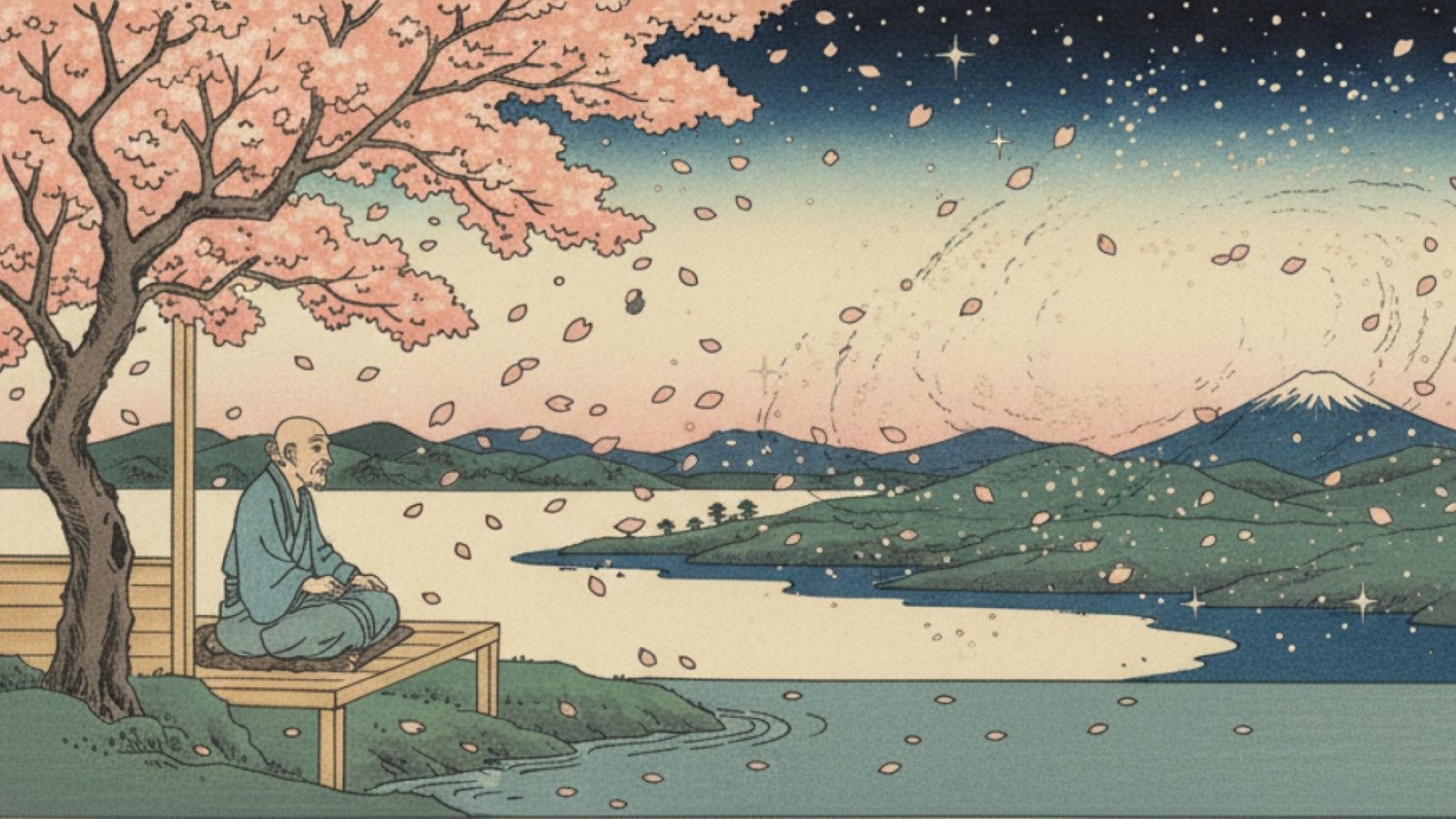
Japanese Views on Seasons - The Gaze of Literary Figures
Japanese literary figures have deeply engaged with the shifting seasons and the workings of life through various forms of expression such as novels and essays. Their delicate sensibilities and keen powers of observation open the door to a dialogue with nature for us, teaching us the beauty and philosophy hidden within everyday landscapes.
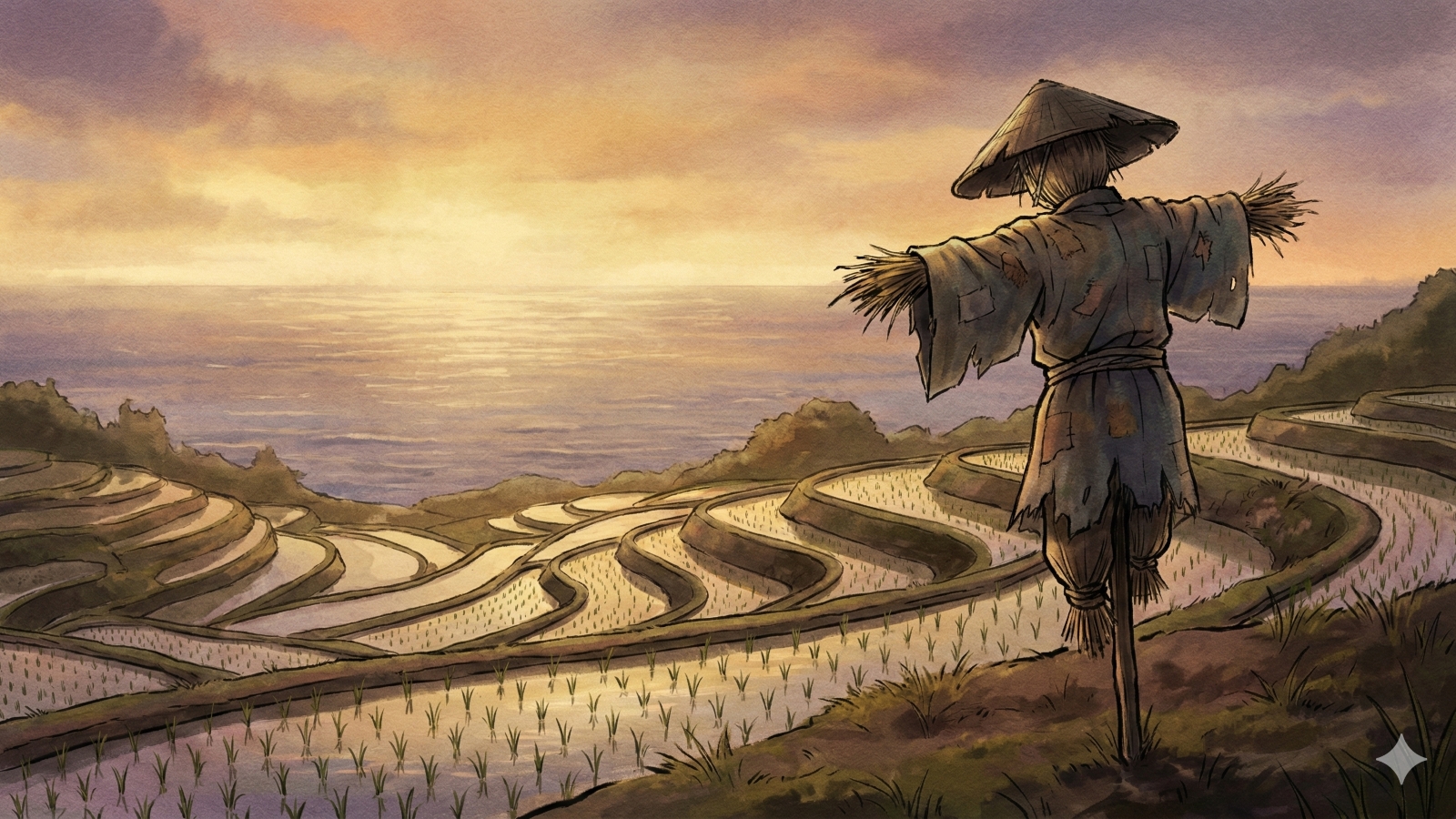
Japan's Primal Landscapes - A Tale of Memories Told by the Land
Superimposing the deceased onto the buzzing of flies, seeing gods in one-legged scarecrows. For Japanese people, these mysterious stories were not fantasy, but "life" itself, right next door. Longing for lands beyond the sea, legends remaining in ancient mounds. Why not travel through the frightening yet gentle "primal landscapes of the heart" gathered by Kunio Yanagita, Lafcadio Hearn, and others?

To Wonders Beyond Logic - The Beautiful Abyss Peered into by Scientists
Science is not just cold calculations. It is awe for nature beyond human understanding and an endless quest for beauty. Seeing the universe in a snowflake, feeling the ferocity of life in roadside grass... These are the adventurers of knowledge who confronted the overwhelming "mysteries" that appear only at the end of logic. We touch upon the records of their quiet yet passionate souls.
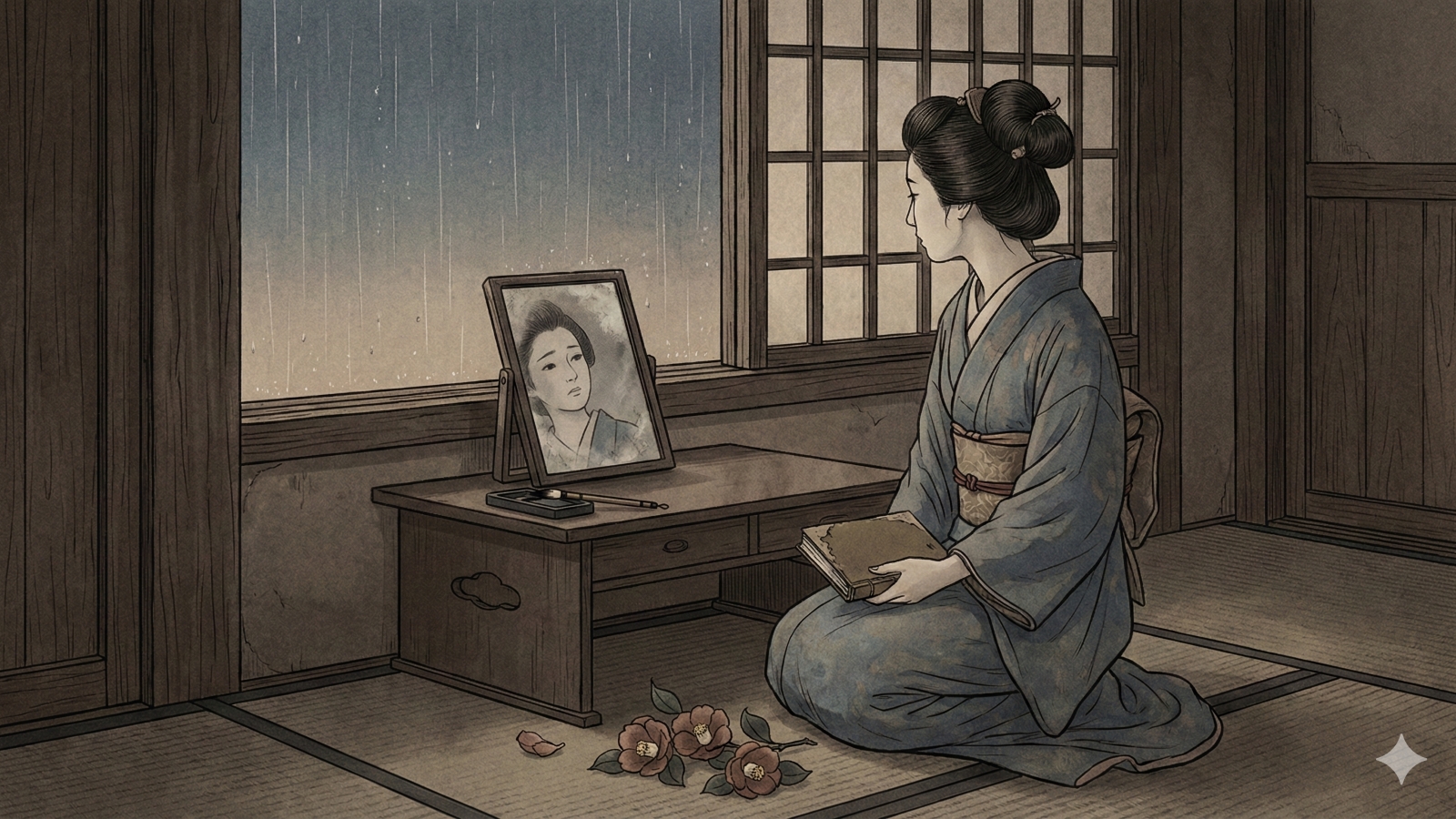
The Soul Screaming "I" - Stories of Fate and Pride by Modern Women
Should women's lives be plastered over with resignation to fate? Or is it a battle to break through social barriers and win one's own "life"? The dry self-mockery spat out by Ichiyō, the poignant scream released by Akiko for her beloved. We listen to the cries of their souls as they resisted the chains of their era, struggling through the mud to establish the "self."