

A Table Invited by Gods - The Tale of Baucis and Philemon and the Spirit of Hospitality
A story in which the poor elderly couple Baucis and Philemon show hospitality to gods in disguise and are transformed into trees as a reward. Focusing on Ovid's Metamorphoses, this article unravels the sanctity of "hospitality" and the communion with nature in antiquity.


A Table Invited by Gods: The Tale of Baucis and Philemon and the Spirit of Hospitality
If one day a stranger knocking at your door were actually a god in disguise, how would you behave? In ancient stories, “hospitality”—warmly welcoming strangers—was not merely a courtesy, but a sacred duty, and sometimes the key to invoking miracles.
A Thousand Closed Doors and One Open Hut
In the hill country of Phrygia, Jupiter (Zeus) and Mercury (Hermes) once descended in human guise. They sought a place of rest as mere travelers. However, what awaited them was cold rejection. The gods visited a thousand homes seeking rest, but a thousand homes bolted their doors and rejected them (Ovid Metamorphoses 8.626–629).
However, there was just one house that accepted them. It was a very small hut, thatched with straw and marsh reeds. There lived a pious old woman, Baucis, and her husband of the same age, Philemon. They had been united in this hut in their youth and had grown old together. They acknowledged their poverty without hiding it, and by enduring it without complaint, they made their poor life light (Ovid Metamorphoses 8.630–634).
In this old couple’s house, there were no masters or servants. The two of them were the household itself; they both commanded and obeyed. When the celestial dwellers bowed their heads to enter the small dwelling, old Philemon immediately set out a chair, over which Baucis threw a coarse cloth, inviting the travelers to rest (Ovid Metamorphoses 8.635–640).
A Humble yet Rich Table
The description of the meal preparation that begins here is particularly beautiful within Ovid’s writing, with love dwelling in the details. Baucis parted the ashes on the hearth, fed yesterday’s embers with dry leaves and bark, and revived the fire with her aged breath. Then, she cut off the leaves of vegetables her husband had gathered from their well-watered garden, sliced a small piece from the chine of smoked pork hanging from the blackened ceiling beam, and placed it into boiling water (Ovid Metamorphoses 8.641–650).
While preparing the meal, they kept up a conversation so as not to bore their guests. On the couch made of willow frame and legs, they spread a coverlet used only on festive days, though even that was old and coarse. Yet, the gods did not disdain it and reclined (Ovid Metamorphoses 8.651–660).
Then the table was brought out, but its third leg was short and wobbly. Baucis inserted a shard of pottery to even the height.
Testa parem fecit. Quae postquam subdita clivum sustulit, aequatam mentae tersere virentes.
The potsherd made them equal. After it was inserted and removed the slope, green mint wiped clean the leveled table.
(Ovid Metamorphoses 8.662–663)
On the table were placed olives—the symbol of Minerva (Athena)—autumn cornel cherries, radishes, cheese, and lightly roasted eggs, all in earthenware dishes. Furthermore, a carved beechwood mixing bowl, lined inside with yellow wax, was set down (Ovid Metamorphoses 8.664–670).
This scene is a manifestation of “good will,” attempting to host guests to the utmost despite poverty (Ovid Metamorphoses 678). Dio Chrysostom also describes how the poor are more eager than the wealthy to lend fire, give directions, and share what they have. The rural family he depicts also serves roasted chickpeas, clean bread, and eggs to guests, and their heartfelt hospitality was warmer than the lavish banquets of the rich (Dio Chrysostom Orationes 7.75–76, 7.82).
The Manifestation of Miracles and Divine Judgment
As the banquet proceeded, a strange thing occurred. No matter how much was drawn, the wine in the mixing bowl did not diminish but refilled of its own accord. Witnessing this miracle, Baucis and Philemon were astonished and trembled with fear, raising their palms in prayer. They apologized that the meal had been meager (Ovid Metamorphoses 8.679–683).
The couple attempted to sacrifice the single goose they kept as a guardian of their home to the gods. However, the aged pair could not catch the swift bird, and the goose fled, of all places, to the feet of the gods. There, the gods forbade the killing and finally revealed their true identities.
“We are gods. The impious neighbors shall receive their due punishment, but you shall be permitted to be exempt from this calamity” (Ovid Metamorphoses 8.684–691).
Guided by the gods, the two climbed the mountain leaning on their staffs. Looking back near the summit, a startling scene spread before them. All other houses had sunk into a marsh; only their old hut remained. And while the two lamented and mourned the fate of their neighbors, that small hut was transformed into a temple. The forked props became columns, the straw roof gleamed with gold, and the ground was covered in marble (Ovid Metamorphoses 8.693–702).
The Wish of the Couple Turned Trees
Jupiter, in a gentle tone, asked the righteous old man his desire. After exchanging words with Baucis, Philemon conveyed their common wish to the god.
“Esse sacerdotes delubraque vestra tueri poscimus; et quoniam concordes egimus annos, auferat hora duos eadem, ne coniugis umquam busta meae videam neu sim tumulandus ab illa.”
“We ask to be priests and to watch over your shrines; and since we have spent harmonious years together, let the same hour take the two of us, so that I may never see the tomb of my wife, nor have to be buried by her.”
(Ovid Metamorphoses 8.707–710)
That wish was granted. They protected the temple as long as they had life. And one day, when their time was up and their limbs were frail, as they stood before the temple steps speaking of old times, Baucis saw Philemon’s body, and Philemon saw Baucis’s body, becoming covered in leaves. Until the moment the tree crowns covered their faces, they said to each other, “Farewell, my love,” and at the same time, the bark sealed their mouths (Ovid Metamorphoses 8.711–719).
Thus, the two became trees growing side by side from a single trunk, a form passed down to posterity.
The Genealogy of Hospitality and Metamorphosis
The tale of Baucis and Philemon possesses depth beyond a mere moral fable. It suggests the mystery of “metamorphosis,” where humans return to being part of nature. Ovid also records the tragic story of Dryope, who transforms into a lotus tree and pleads from beneath the bark to tell her child that “his mother is inside this trunk” (Ovid Metamorphoses 9.378–379). Furthermore, a passage in the Bible cited by Augustine presents the image of overlapping humans and trees: “The righteous shall flourish like the palm tree: he shall grow like a cedar in Lebanon” (Augustine Speculum 114).
However, the metamorphosis of Baucis and Philemon was neither punishment nor tragedy, but the ultimate blessing. Their bodies vanished, but their “spirit of hospitality” took root eternally as trees guarding the temple.
Augustine also cites the story of Elisha and the Shunammite woman from the Book of Kings, recounting how she made a “small chamber with walls” for the prophet and prepared “a bed, and a table, and a stool, and a candlestick” there (Augustine Speculum 137). This resonates remarkably with the actions of Baucis and Philemon, who arranged chairs and bedding for the gods. Regardless of era or region, the act of welcoming a stranger as something sacred and sharing one’s living space was considered one of the highest virtues a human could possess.
As Ovid narrates at the conclusion of this story, “Those who revere the gods are revered, and those who cared for the gods are cared for by the gods” (Ovid Metamorphoses 724). The humble table of Baucis and Philemon, more valuable than a golden temple, continues to pose a quiet question to our hearts today.
(Editorial Assistance: Yuki Suzuki)

Japanese Views on Seasons - The Gaze of Literary Figures
Japanese literary figures have deeply engaged with the shifting seasons and the workings of life through various forms of expression such as novels and essays. Their delicate sensibilities and keen powers of observation open the door to a dialogue with nature for us, teaching us the beauty and philosophy hidden within everyday landscapes.
Japan's Primal Landscapes - A Tale of Memories Told by the Land
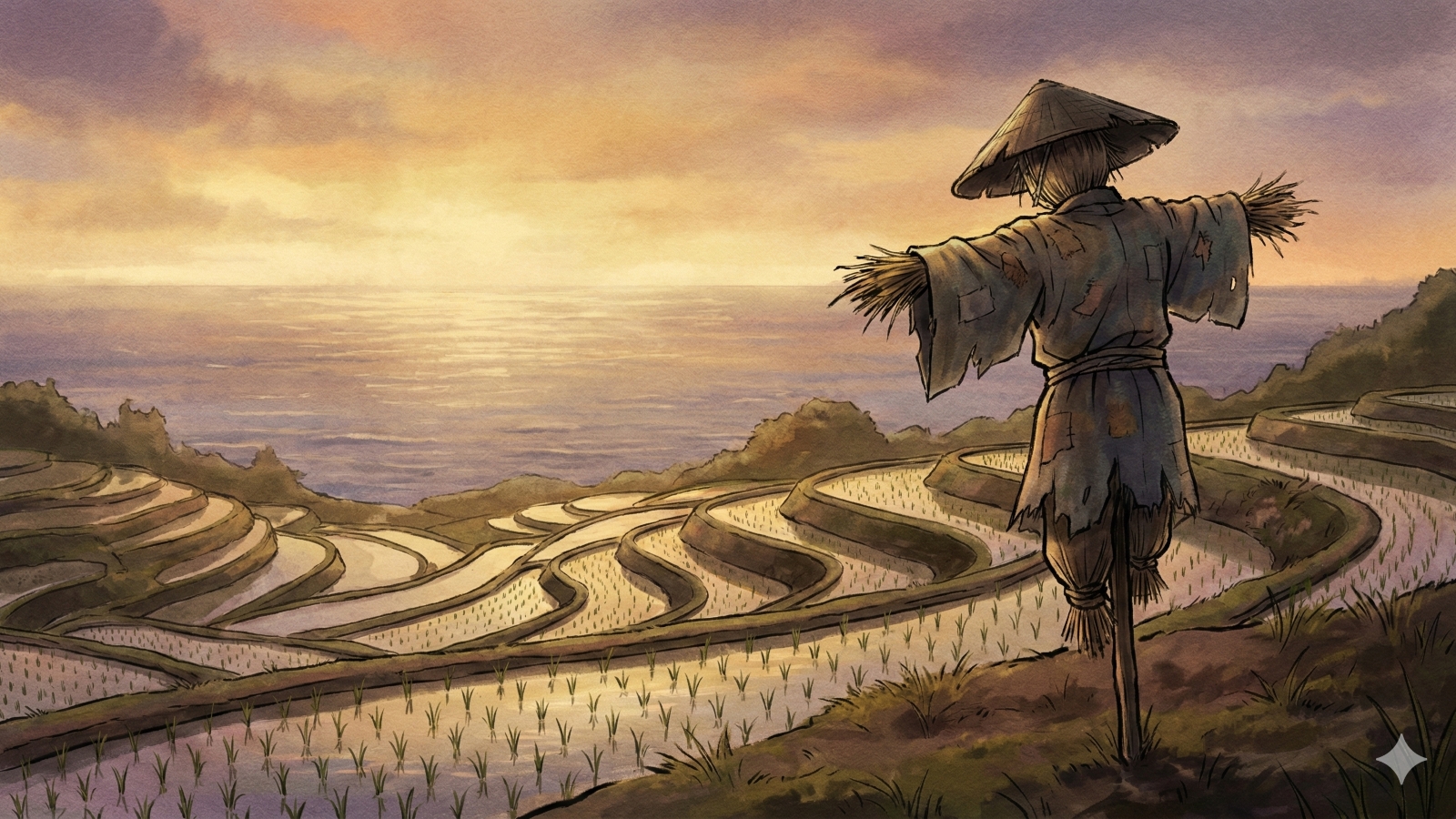
Superimposing the deceased onto the buzzing of flies, seeing gods in one-legged scarecrows. For Japanese people, these mysterious stories were not fantasy, but "life" itself, right next door. Longing for lands beyond the sea, legends remaining in ancient mounds. Why not travel through the frightening yet gentle "primal landscapes of the heart" gathered by Kunio Yanagita, Lafcadio Hearn, and others?
To Wonders Beyond Logic - The Beautiful Abyss Peered into by Scientists
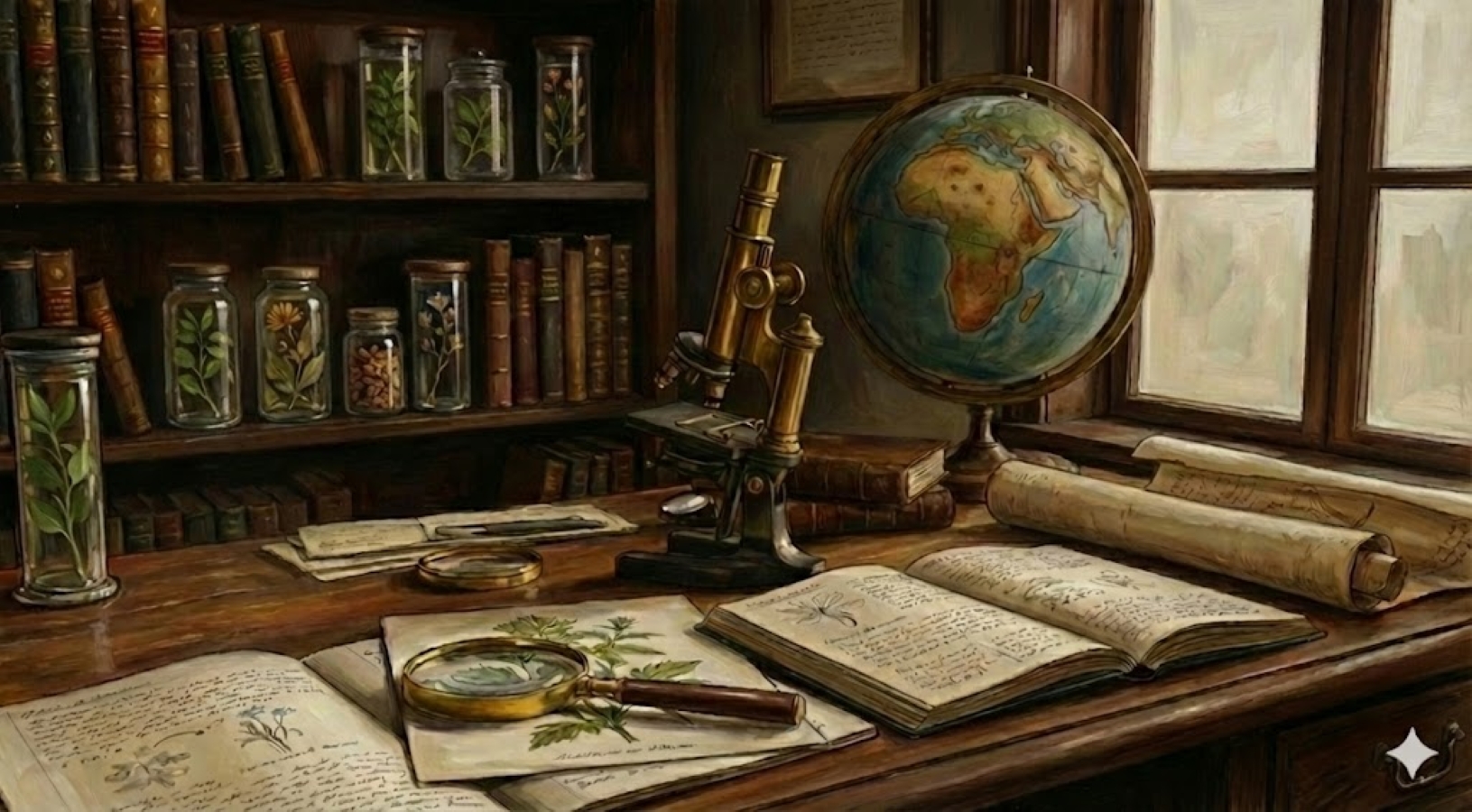
Science is not just cold calculations. It is awe for nature beyond human understanding and an endless quest for beauty. Seeing the universe in a snowflake, feeling the ferocity of life in roadside grass... These are the adventurers of knowledge who confronted the overwhelming "mysteries" that appear only at the end of logic. We touch upon the records of their quiet yet passionate souls.
The Soul Screaming "I" - Stories of Fate and Pride by Modern Women
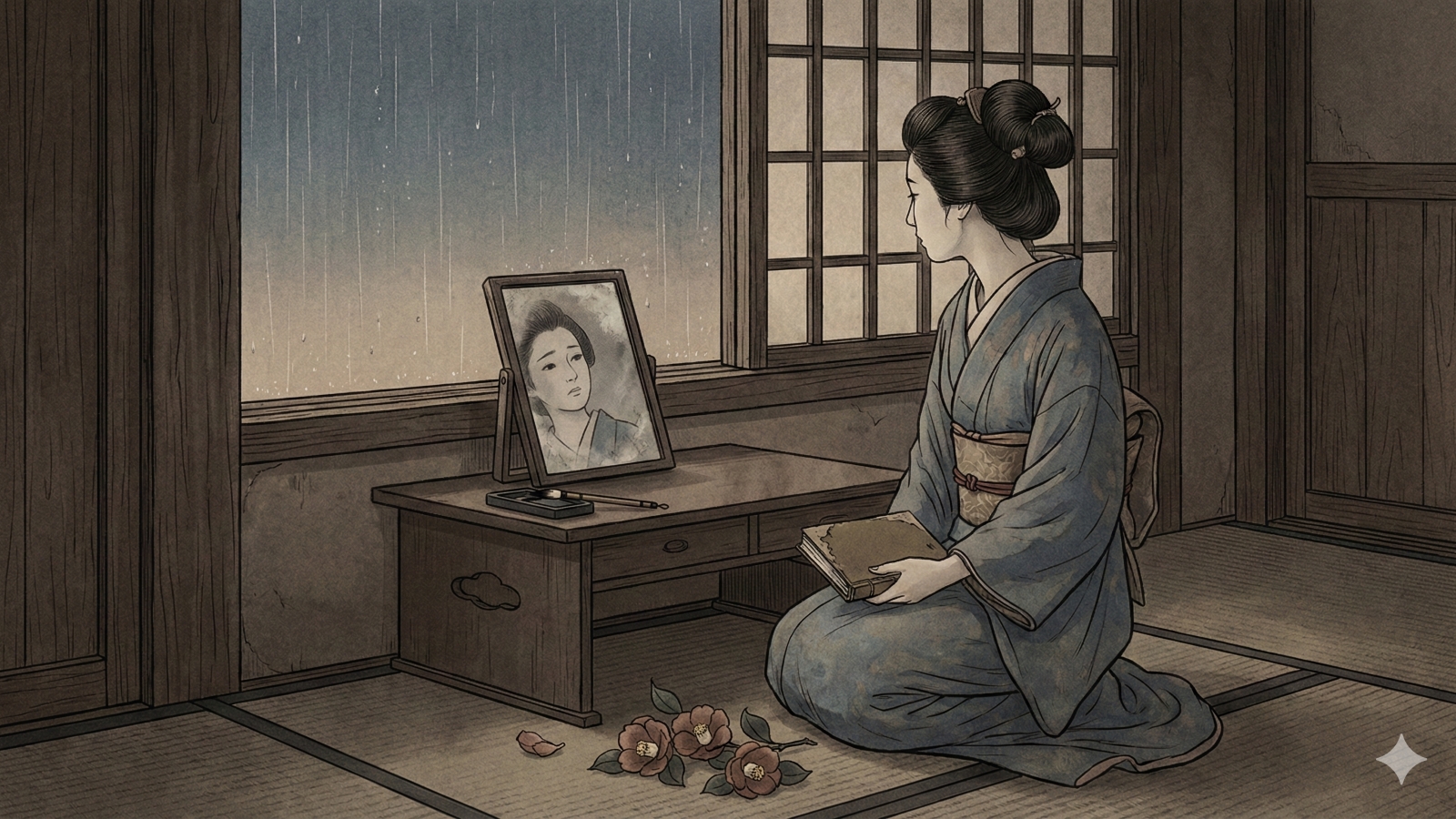
Should women's lives be plastered over with resignation to fate? Or is it a battle to break through social barriers and win one's own "life"? The dry self-mockery spat out by Ichiyō, the poignant scream released by Akiko for her beloved. We listen to the cries of their souls as they resisted the chains of their era, struggling through the mud to establish the "self."