

Thoughts on Walking the Land - The Eternity and Breath of Landscapes Captured by Yakumo, Usui, and Doppo
The sound of footsteps on a frozen night road, a forest drowsing as it melts into the light. Through the walker's five senses, the unique "fudo"—the spirit and climate of a place—becomes vivid poetry. Explore the ethereal scenes of Yakumo, the depth of humanity sought by Usui, and the eternal silence Doppo found in Musashino. Step away from the everyday and listen for the "eternal breath" that lies hidden deep within the landscape.


「村を離れて、淋しい道を――ピチャピチャ――走った、左右は静かな一面に氷った田、道を照らすものは星ばかり。」
“I left the village and ran down the lonely road—splish-splash—flanked by quiet, frozen rice fields, with only the stars to light my way.”
—— Koizumi Yakumo, The Legend of the Ghost-Waterfall (translated by Tanabe Ryuji)
【解説】
Have you ever walked alone down a pitch-dark road at night? This sentence, from a story set in Hoki Province, depicts the protagonist Okatsu heading toward the Ghost-Waterfall on a midwinter night to test her courage. The scene, surrounded by frozen rice fields with only the vast starry sky for light, seems to highlight not only a sense of vulnerability but also the solemn beauty of nature. The contrast between the silence of a land far from human life and the small sound of a lone traveler’s footsteps brilliantly portrays the atmosphere inherent in that region’s fudo. It is a masterful passage that appeals to the senses, evoking the sound of stepping on ice and the sight of a clear winter sky.
「その森の向うに、どこか遥かに高い処から落ちている滝が微かに光って、長い白い着物のように、月光のうちに動いているのが見えた。」
“Beyond the forest, I could see a waterfall, cascading from somewhere high and far away, faintly gleaming and moving in the moonlight like a long, white kimono.”
—— Koizumi Yakumo, Rokuro-Kubi (translated by Tanabe Ryuji)
【解説】
On a moonlit night, a distant waterfall shimmers like a white kimono—it is like a scene from an ethereal painting. This passage describes the view a traveling monk witnesses while being guided to a woodcutter’s house after getting lost in the mountains. The mystical scenery, encountered unexpectedly after a hard journey through rugged mountain paths, soothes the traveler’s fatigue while foreshadowing the uncanny atmosphere of the house he is about to visit. The solemnity of nature in a place far from human settlement and the beauty of the local fudo as seen through the traveler’s eyes are skillfully captured through poetic metaphor. This beautiful description creates a vivid contrast with the terrifying secret of the house that is later revealed, giving the story profound depth.
「
“To put it concisely, it is the depth to which humanity has seeped in over long ages.”
—— Kojima Usui, The Peerless Peak
【解説】
Like ink seeping into paper over a long time, perhaps human memories are also imprinted upon places. This line comes from a passage reflecting on the unique character of mountain huts on Mt. Fuji in comparison to their Western counterparts. The author observes that Japanese mountain huts are not mere shelters but are overflowing with a “human touch” accumulated over many years, from the branding marks and signatures left by visitors to the meals served. They are spaces where the history and culture unique to the land are condensed, something that cannot be measured by efficiency or functionality alone. This passage makes us realize that travel is also the act of coming into contact with the invisible warmth of people that has soaked deep into the fudo of a place.
「裾野は富士の物だ、富士のものを富士に返して […] さて仰いで見たまえ。」
“The foothills belong to Fuji. Return what is Fuji’s to Fuji […] and then, look up.”
—— Kojima Usui, The Peerless Peak
【解説】
To grasp the whole of something, one must first step back. Or perhaps, one must start by looking at what is at one’s feet. This is a striking passage arguing that the true greatness of Mt. Fuji cannot be understood by looking only at its summit. The author insists that the vast foothills are an integral part of the mountain, and to ignore them is to misjudge its true nature. He then urges the reader in a powerful, imperative tone to descend to the edge of the foothills and, from there, look up anew. This can be seen as a profound lesson for travelers: to understand the “fudo” of a place, one must cast aside preconceptions and re-examine it from multiple perspectives. Perhaps its true form only becomes visible when one becomes one with the land.
「もう山国へ来たという感じが、あわただしく頭をそそる。」
“The feeling of having arrived in the mountain country now rushed excitedly to my head.”
—— Kojima Usui, From Valley to Peak, From Peak to Valley
【解説】
Is there a moment during your travels when you suddenly realize you’ve “come a long way”? When does that happen? This sentence expresses the author’s elation during a carriage ride from Matsumoto in Shinshu toward the foot of the Japan Alps. He notes that as stone monuments carved with the names of mountain gods and ascetics begin to appear along the road, the realization that he is finally entering a deep mountain country wells up in his chest. He is keenly sensing the “presence” of the land—its fudo—from the subtle changes in the landscape and the man-made objects placed within it. This sense of anticipation and excitement before reaching the destination is surely one of the great pleasures of travel.
「そこから秋の風が、すいすいと吹き落して来そうである。」
“From there, it seemed the autumn wind would come sweeping down.”
—— Kojima Usui, From Valley to Peak, From Peak to Valley
【解説】
The wind carries with it an unseen landscape—the chill of the mountains, the dampness of the valleys, and tidings of the changing seasons. This is a memorable passage about the impression of gazing at the cloud-covered mountains from the city of Matsumoto. The author anticipates that a cool autumn breeze will blow down into the town from the clear, indigo sky peeking between the mountain peaks and the clouds. This is not merely a weather forecast but a depiction of him feeling the local climate—the “fudo”—shaped by the mountains and the basin, with his own skin. The traveler’s sharpened senses, perceiving the arrival of the season within the invisible flow of air, make the travel scene all the more poetic.
「武蔵野に散歩する人は、道に迷うことを苦にしてはならない。」
“A person walking in Musashino should not worry about losing their way.”
—— Kunikida Doppo, Musashino
【解説】
Should travel plans be made meticulously, or should one surrender to chance? The author, as a piece of advice for strolling through the former Musashino Plain, recommends getting lost rather than sticking to a schedule. This is because he is convinced that no matter which path you take, you are certain to make a captivating discovery, and that this is the only way to know the true beauty of Musashino. These words seem to suggest a different set of values from modern travel, which often prioritizes reaching a destination efficiently. Perhaps to engage deeply with the fudo of a place, what is needed is contemplative time to walk as one’s feet lead, without fear of getting lost.
「林という林、梢という梢、草葉の末に至るまでが、光と熱とに溶けて、まどろんで、怠けて、うつらうつらとして酔っている。」
“Every forest and every treetop, down to the last blade of grass, seemed to be melting in the light and heat, drowsing, lazing, and drifting as if intoxicated.”
—— Kunikida Doppo, Musashino
【解説】
The light of midsummer pours down as if it were a magic that could melt all things. The author spoke of his deep impression when he took a walk along the Koganei embankment, a place famous for its cherry blossoms, but deliberately in the height of summer. This sentence portrays every forest and blade of grass as if they have lost consciousness in the intense sunlight and heat, languidly drowsing. Nature itself is depicted as if it were a living being, conveying the unique atmosphere of the Musashino summer, where a sense of vitality and languor become one. The fudo, captured through the traveler’s eyes, is elevated into a poetic landscape through masterful personification. Here, the joy of a stroll is expressed—one that cherishes even the harsh heat as part of the land’s character and melts into it.
「だんだん慣れてみると、やはりこのすこし濁った流れが平原の景色に
“As I gradually grew accustomed to it, I came to feel that this slightly murky stream, after all, seemed to suit the landscape of the plain.”
—— Kunikida Doppo, Musashino
【解説】
A first impression does not always tell the whole story; it is understanding built over time that reveals true charm. The author, who grew up in the mountains, initially felt a sense of displeasure at the murky streams of Musashino compared to the clear rivers of his homeland. However, as he became used to living in the area, he confesses a change of heart, coming to feel that the murkiness was in harmony with the landscape of the plain and was, in fact, quite charming. This seems to suggest that there is an essence of fudo that becomes visible only when one accepts the land as it is, not just its superficial beauty. It depicts the maturing of the relationship between a person and a place, where an initial sense of unfamiliarity with something different eventually transforms into affection.
「自然の
“You will feel the serene stillness of nature, and sense the breath of eternity pressing upon you.”
—— Kunikida Doppo, Musashino
【解説】
When you listen closely at your destination, what do you hear? The author speaks of the absolute silence that descends in the woods of Musashino the moment various sounds suddenly cease. He says that when all noises—the chirping of birds, the sound of the wind, the presence of people—disappear, one can perceive the fundamental stillness of the land and the breath of life that transcends time, in other words, the “breath of eternity.” This can be called a profound spiritual experience, one that can only be gained on a journey where you confront the fudo by sharpening not only your sight but also your hearing. Here, through a dialogue with the nature of Musashino, flows a contemplative time that touches upon a corner of eternity, far from the clamor of daily life.
「この路を独り静かに歩むことのどんなに楽しかろう。」
“What a joy it must be to walk this path alone and in peace.”
—— Kunikida Doppo, Musashino
【解説】
Memories of a journey are sometimes etched in the heart like a single painting. The author expresses the joy of walking a straight path lined with yellowing trees that he unexpectedly came across in Musashino. The area is hushed, and the only sound is the occasional rustle of a falling leaf. He suggests that the act of walking alone in the silence, meeting no one, holds a deep satisfaction and pleasure that cannot be found in bustling tourist spots. This serene joy is a blessing of the Musashino autumn’s fudo, and something that can only be savored through the style of travel that is aimless strolling. It seems that landscapes that capture a traveler’s heart are hidden not only in spectacular famous sites but also on unassuming paths.
(Editorial assistance: Haruna Ishita, Momona Sassa)
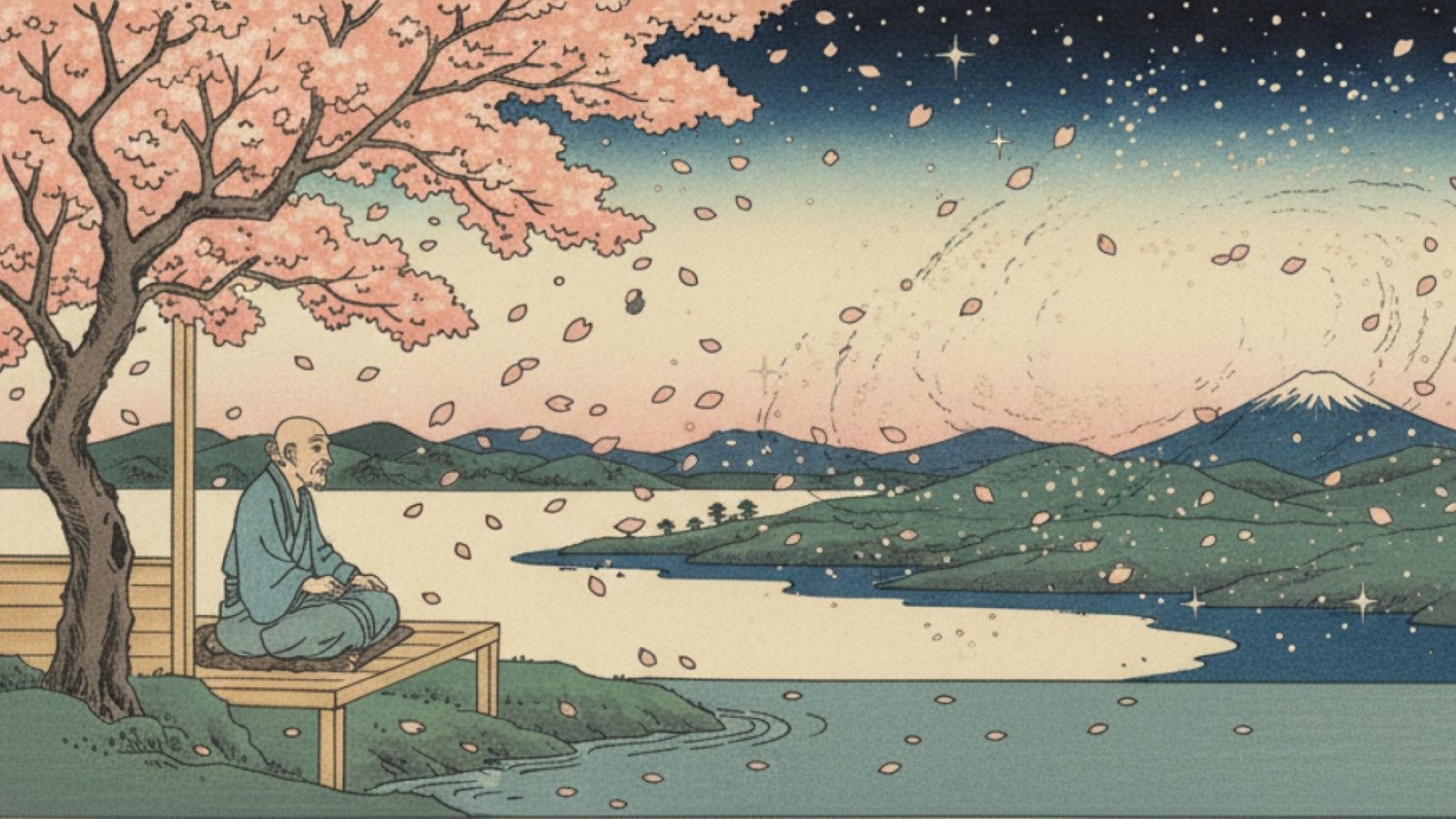
Japanese Views on Seasons - The Gaze of Literary Figures
Japanese literary figures have deeply engaged with the shifting seasons and the workings of life through various forms of expression such as novels and essays. Their delicate sensibilities and keen powers of observation open the door to a dialogue with nature for us, teaching us the beauty and philosophy hidden within everyday landscapes.
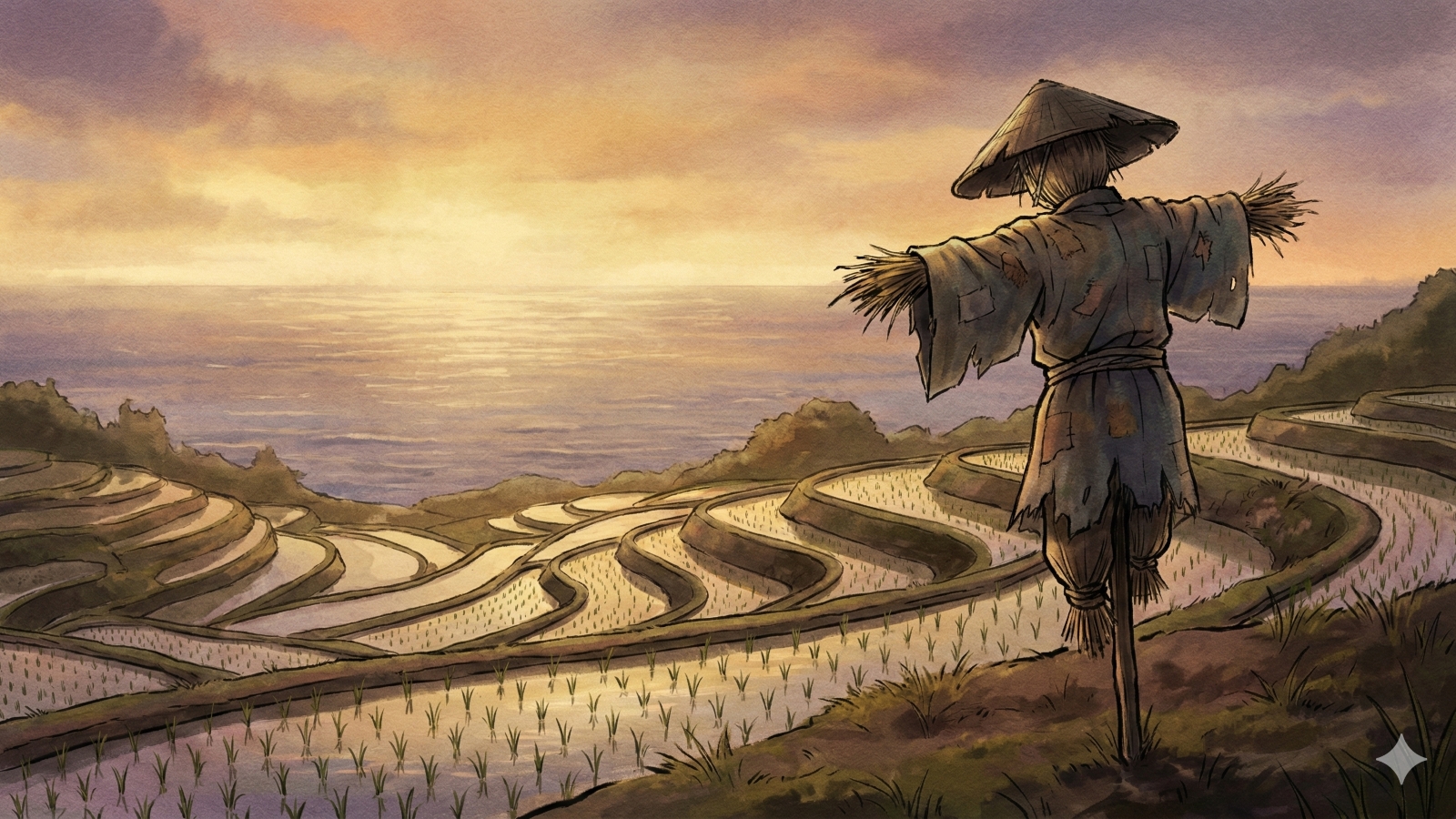
Japan's Primal Landscapes - A Tale of Memories Told by the Land
Superimposing the deceased onto the buzzing of flies, seeing gods in one-legged scarecrows. For Japanese people, these mysterious stories were not fantasy, but "life" itself, right next door. Longing for lands beyond the sea, legends remaining in ancient mounds. Why not travel through the frightening yet gentle "primal landscapes of the heart" gathered by Kunio Yanagita, Lafcadio Hearn, and others?

To Wonders Beyond Logic - The Beautiful Abyss Peered into by Scientists
Science is not just cold calculations. It is awe for nature beyond human understanding and an endless quest for beauty. Seeing the universe in a snowflake, feeling the ferocity of life in roadside grass... These are the adventurers of knowledge who confronted the overwhelming "mysteries" that appear only at the end of logic. We touch upon the records of their quiet yet passionate souls.
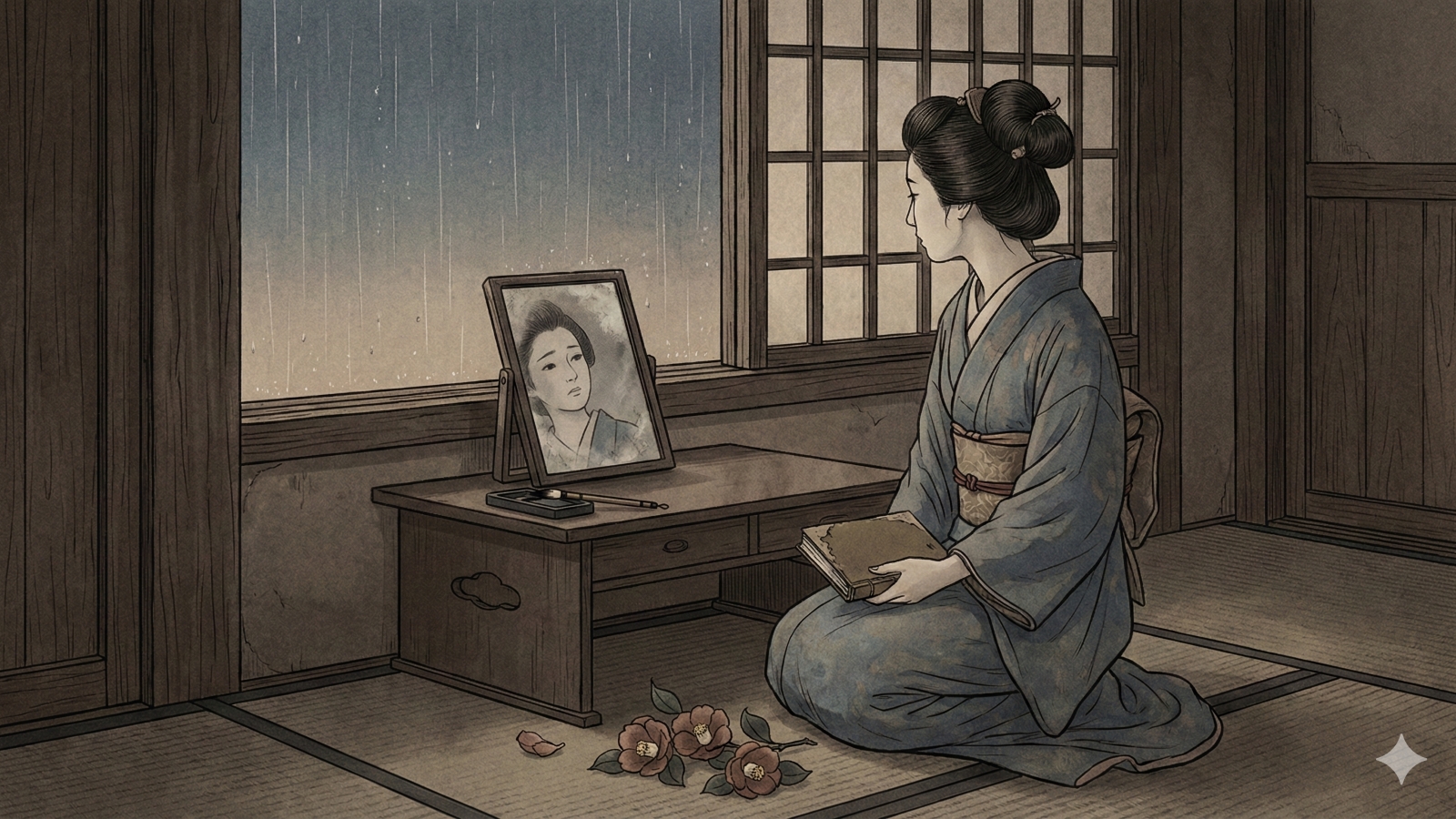
The Soul Screaming "I" - Stories of Fate and Pride by Modern Women
Should women's lives be plastered over with resignation to fate? Or is it a battle to break through social barriers and win one's own "life"? The dry self-mockery spat out by Ichiyō, the poignant scream released by Akiko for her beloved. We listen to the cries of their souls as they resisted the chains of their era, struggling through the mud to establish the "self."