

Wealth as a Means, Life as a Prayer - Words Questioning the Dignity of the Soul
In chasing visible richness, we sometimes lose sight of ourselves. However, the true value of life lies not in wealth itself, but in the dignity with which we handle it and the prayer embedded in our daily activities. Using the words of Nitobe Inazo and others as a lamp, we quietly reconsider the state of the spirit that exists behind material prosperity.

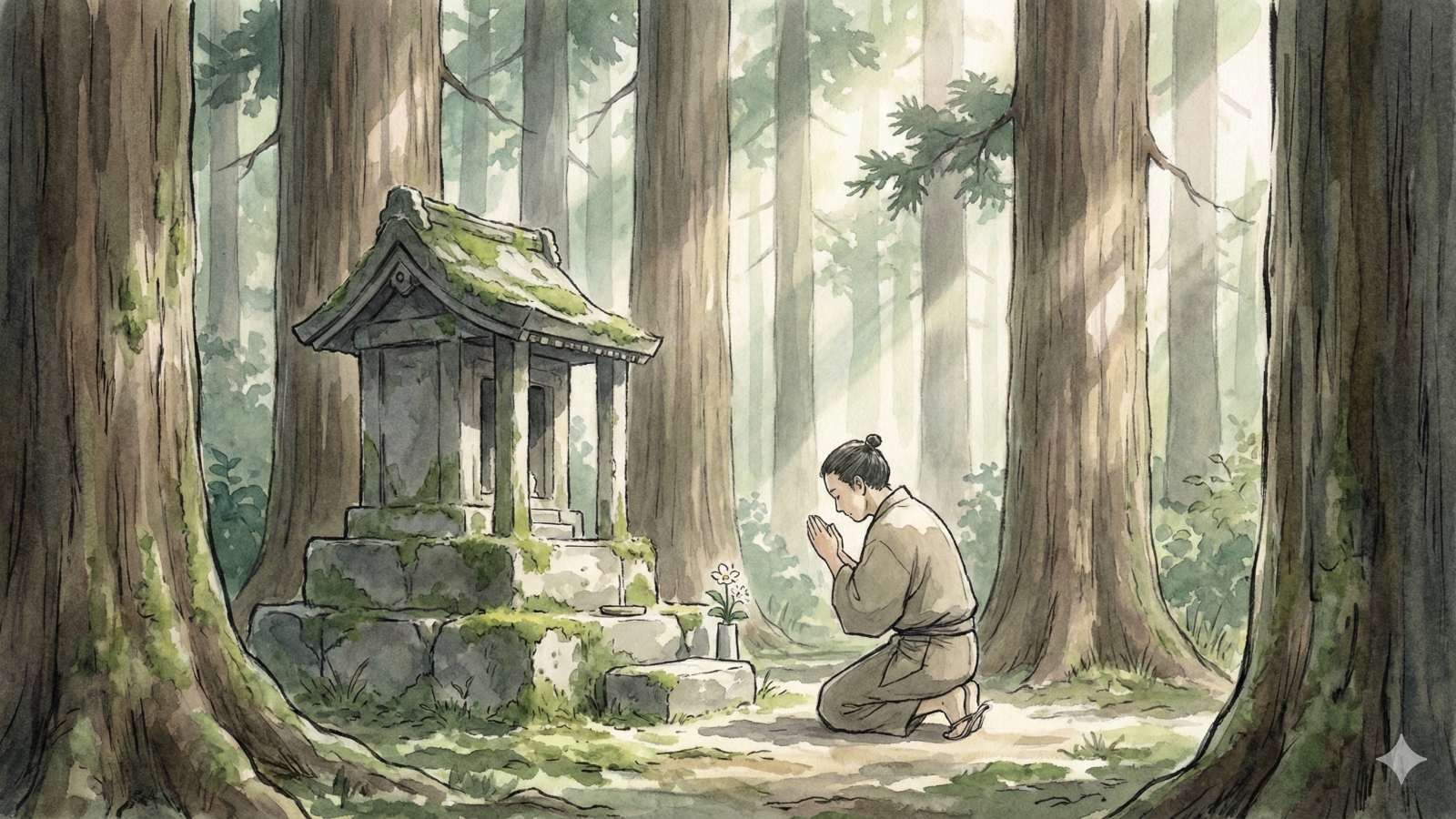
「富貴は人生の目的でない、人生の方法なり」
“Wealth and honor are not the purpose of life, but the means of life.”
—— Inazo Nitobe, Jikeiroku
【Commentary】
Are wealth and fame the goal of life, or merely tools? Nitobe warns against the danger of making the acquisition of wealth or status the purpose of life itself. He argues they are merely “methods” or “auxiliaries” for a person to demonstrate their character and live a better life. From this perspective, one can find spiritual value even in material activities like business and money-making. What matters is not losing sight of one’s human essence or ethical views, no matter how much wealth is amassed. Using wealth not as an end, but as a means to elevate one’s character, is considered the truly rich way of living.
「道すなわち道徳はその
“The Way, or morality, is high in its nature but low in its application; its origin is far, but its reach is wide.”
—— Inazo Nitobe, Jikeiroku
【Commentary】
Even the stars high in the sky shed their light upon our feet. Nitobe expresses concern over the trend where words like morality and humanity sound high-minded and distant. However, according to him, the essence of morality lies in the fact that while its ideal (nature) is high, its practice (application) exists in daily, humble speech and conduct. Its source (origin) may be as distant as the teachings of ancient sages, but its influence (reach) is close and wide enough for anyone to practice. He teaches us that morality is not a difficult academic subject discussed only by experts, but a flat path trodden by many, and a matter of following the conscience already equipped within our hearts.
「愛とは単に老牛が
“Love is not merely of the kind where an old cow licks her calf.”
—— Inazo Nitobe, Jikeiroku
【Commentary】
Does love refer only to being gentle and spoiling someone? Nitobe points out the danger that the virtue of “meekness” preached in Christianity can easily drift into weakness. He asserts that true love or benevolence is different from unconditional doting, like a parent cow simply licking its calf. Sometimes, the backbone to feel indignation against injustice and stand firmly against it is also an important aspect of love. This quote suggests that “love” in faith and ethics is not merely emotional, but encompasses the strength to judge right from wrong and uphold justice—a deeper and sterner concept. True love may require a solid backbone alongside kindness.
「人格で人を
“People do not measure others by character; they measure others by appendages and not by character.”
—— Inazo Nitobe, Jinkaku wo Ninchisezaru Kokumin
【Commentary】
Do we judge people by their “contents” or their “exterior”? Nitobe laments that Japanese society at the time evaluated people by “appendages” such as official rank, scholarship, and success, rather than looking at the inner “character” of the person. This repetitive phrase is a scathing criticism of the loss of “naked association” where one looks at the value of the human being itself, rather than superficial titles or wealth. This is nothing less than an ethical question of how we view others. The author sharply points out that at the root of a society where faith and spiritual dialogue feel difficult, there lies a trend of judging people not by their essence, but by the clothes they wear.
「友たるに恥じぬ人格と人に愛せらるるだけの価値を有することも必要である。」
“It is necessary to possess a character that is not shameful for a friend, and a value worthy of being loved by others.”
—— Inazo Nitobe, Iesu Kirisuto no Yūgi
【Commentary】
Before wishing for a good friend, are we ourselves capable of being a good friend? In discussing friendship on a high level, Nitobe preaches the importance of reflecting on oneself rather than just demanding from others. To gain a true friend, one must first build a character that is worthy and not shameful as a friend. Furthermore, the effort to become a person with inner value that is naturally loved by others is indispensable. This is a perspective that views human relationships not as a place for one-sided demands, but as a place of mutual ethics. It indicates a humble and sincere mindset: if one seeks a noble friend who understands the will of the Heavenly Father, one must also strive to approach that height oneself.
「近代文化の大禍害を癒やし得る最上の良薬はこの無報酬の念でなくてはならぬ。」
“The best medicine capable of healing the great catastrophe of modern culture must be this concept of ‘no reward’.”
—— Daisetz Suzuki, Sōdō Kyōikuron
【Commentary】
When all price tags are peeled away, what remains there? The author laments that the deepest wound modern civilization has inflicted on the spirit lies in the habit of converting every phenomenon into money. The trend of measuring human value by numbers—how much property one has, or how much one donated—only impoverishes spiritual richness. In this context, the “concept of no reward”—seeking no return—can likely serve as the antidote to heal the wounded modern society.
「この勿体ないと云う事が宗教の精神である。」
“This feeling of ‘mottainai’ (wastefulness/awe) is the spirit of religion.”
—— Daisetz Suzuki, Sōdō Kyōikuron
【Commentary】
Do you have the heart to feel the blessings of the universe in a single drop of water? Life in the Zen hall enforced extreme frugality, such as washing one’s face and rinsing one’s mouth with just a small bucket of water. However, this was not mere thriftiness; it was based on a solemn sense of awe that no one has the right to abuse what has been given by Heaven. Just as the sun shines equally on the good and the bad, the blessings of nature are given unconditionally; therefore, the origin of religion lies in the heart that feels it is “mottainai” to waste them. Without this humble sense of gratitude, no matter how strict the ascetic practices one undergoes, the spirit will likely remain empty.
「己の私情をもって自利を祈るがごときは、非倫理なれば迷信である。」
“To pray for personal gain based on one’s own private feelings is unethical and therefore superstition.”
—— Enryo Inoue, Meishin to Shūkyō
【Commentary】
What exactly is our “prayer”? Philosopher Inoue Enryo, also known for his research on yokai, cites “ethicality” as the criterion separating superstition from religion. According to him, self-centered prayer wishing only for one’s own benefit is merely “superstition” that goes against ethics. However, he argues that prayer stemming from a fair and upright heart—for instance, praying for public peace—transcends superstition and reaches the realm of true faith, or “religion.” This distinction demonstrates deep insight: it is not the act of praying itself, but the motive and state of mind that determine the quality of faith. It is a passage that makes us consider which realm our prayers belong to.
「実験は祈りだよ」
“Experiments are prayers.”
—— Takashi Nagai, Kono Ko wo Nokoshite
【Commentary】
Science is the reason that unravels the unknown; faith is the heart that reveres the unknown. Are these two truly incompatible? In this work, written by Takashi Nagai, a radiologist who survived the atomic bombing of Nagasaki, addressing his children, his deep view of faith as a scientist is revealed. He preaches that a scientific experiment is not merely the work of analyzing phenomena. It is an act of viewing, with a sense of awe, a part of the works created by the Creator of the universe. Therefore, a scientist’s experiment is the same as a monk’s prayer, and he speaks of the need for humility and prudence. This quote overturns the view that regards science and faith as opposing forces, suggesting the possibility that they are connected in the single point of seeking truth.
「俺は、人間様だからな。そんな、稲荷だなんて、狐に頭を下げて頼むのなんか、真っ平だ。」
“I am a human being, you see. I absolutely refuse to bow my head and beg to a fox like Inari.”
—— Toshiro Sasaki, Aru Buraku no Itsutsu no Hanashi [Heizo]
【Commentary】
If praying to God is faith, is swearing not to rely on God also a form of conviction? This story, set in a farming village, depicts the love, hatred, and tragedy surrounding Inari worship. One of the characters, Heizo, stubbornly refuses even when advised to pray to Inari to curse a rival. He does not consider it dignified to bow and pray to a fox, which is merely an animal, and tries to resolve matters with his own “human power.” This line shows that while simple faith was rooted in people’s lives, there also existed a strong ego and anthropocentric ethical view that rebelled against it. The stubbornness of a man who chose to stand on his own power without relying on gods or buddhas seems to paradoxically question what faith truly is.
(Editing Cooperation: Haruna Ishita, Momona Sassa)
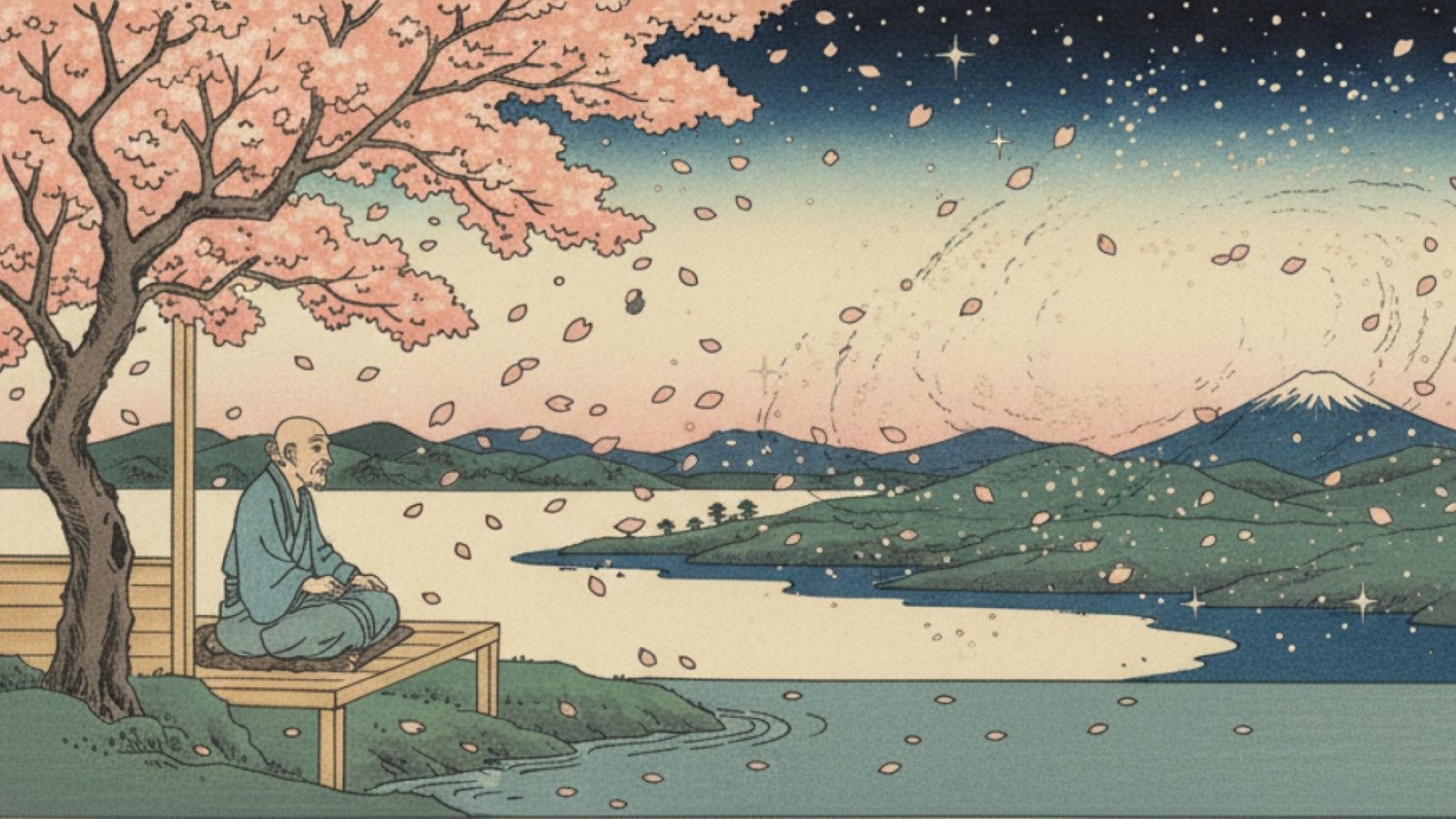
Japanese Views on Seasons - The Gaze of Literary Figures
Japanese literary figures have deeply engaged with the shifting seasons and the workings of life through various forms of expression such as novels and essays. Their delicate sensibilities and keen powers of observation open the door to a dialogue with nature for us, teaching us the beauty and philosophy hidden within everyday landscapes.
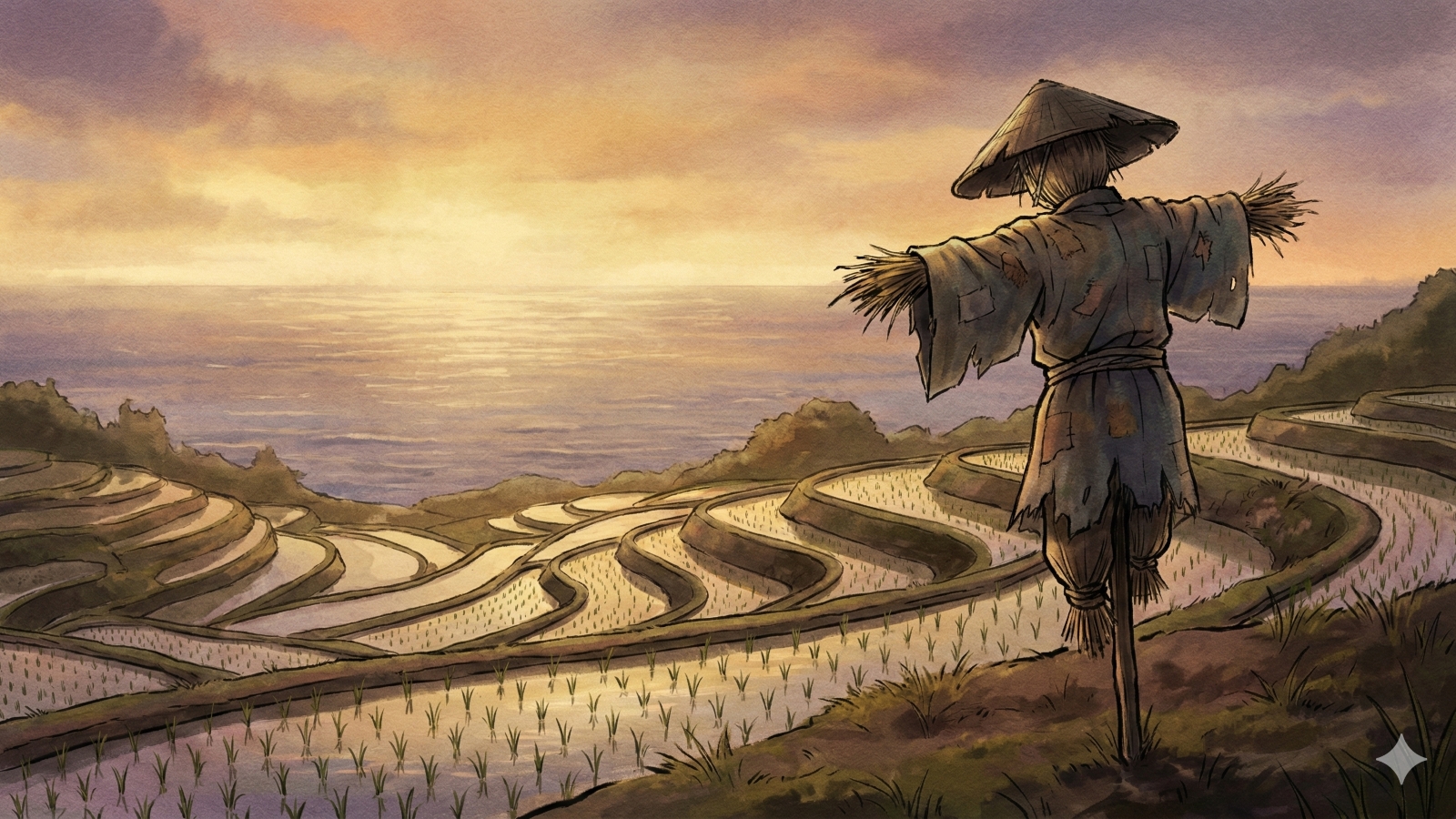
Japan's Primal Landscapes - A Tale of Memories Told by the Land
Superimposing the deceased onto the buzzing of flies, seeing gods in one-legged scarecrows. For Japanese people, these mysterious stories were not fantasy, but "life" itself, right next door. Longing for lands beyond the sea, legends remaining in ancient mounds. Why not travel through the frightening yet gentle "primal landscapes of the heart" gathered by Kunio Yanagita, Lafcadio Hearn, and others?

To Wonders Beyond Logic - The Beautiful Abyss Peered into by Scientists
Science is not just cold calculations. It is awe for nature beyond human understanding and an endless quest for beauty. Seeing the universe in a snowflake, feeling the ferocity of life in roadside grass... These are the adventurers of knowledge who confronted the overwhelming "mysteries" that appear only at the end of logic. We touch upon the records of their quiet yet passionate souls.
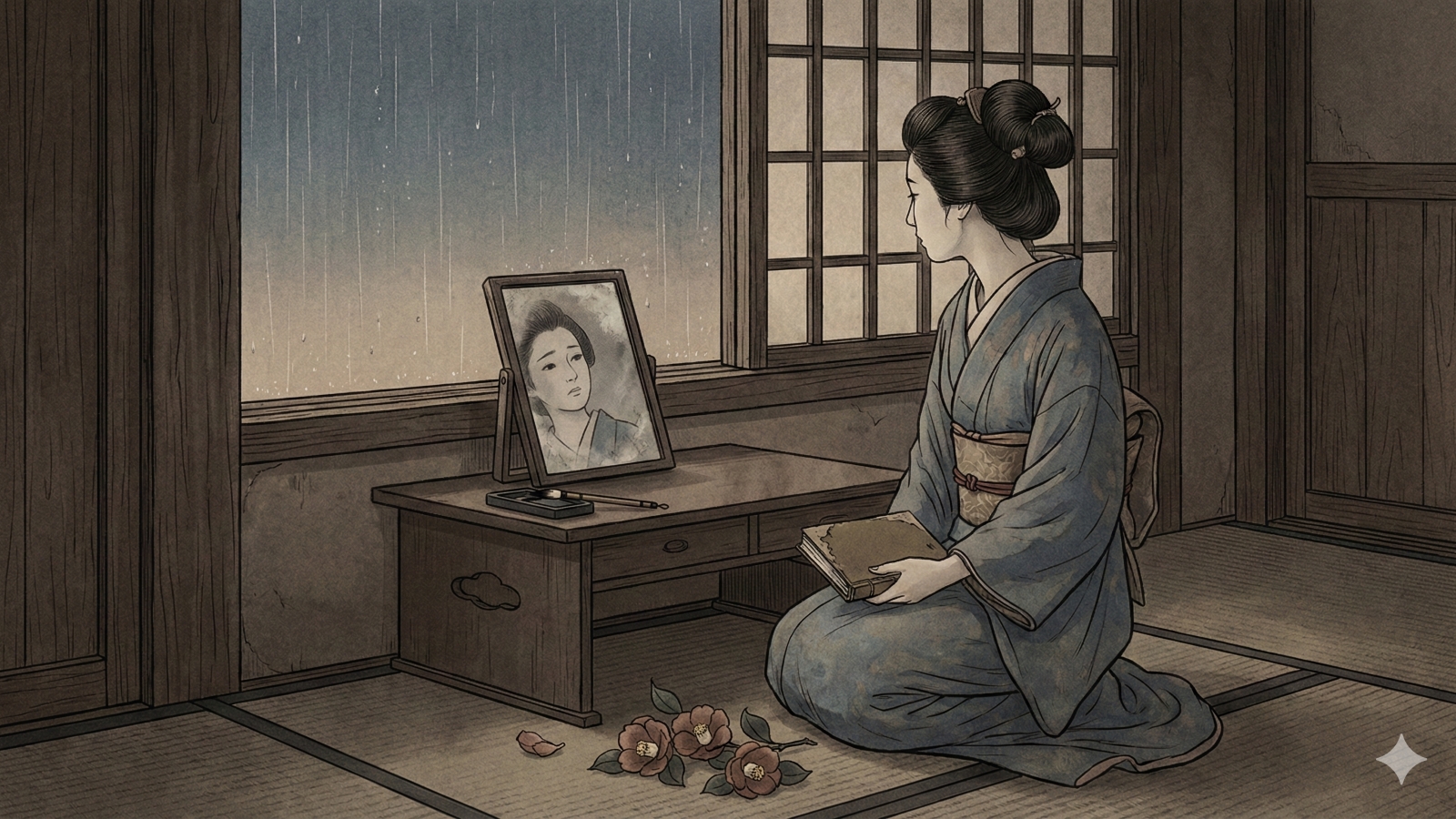
The Soul Screaming "I" - Stories of Fate and Pride by Modern Women
Should women's lives be plastered over with resignation to fate? Or is it a battle to break through social barriers and win one's own "life"? The dry self-mockery spat out by Ichiyō, the poignant scream released by Akiko for her beloved. We listen to the cries of their souls as they resisted the chains of their era, struggling through the mud to establish the "self."