

The Ideals and Realities of Work - The Philosophies of Rohan and Yukichi versus the Cynicism of Saikaku
Rohan preaches that happiness is something you plant yourself, while Yukichi inspires us to become great merchants. Their words present the noble ideal that diligent sweat carves out a brilliant future. Saikaku, however, depicted a colder reality, where one's livelihood is a "trade of lies" and the money one seeks can become an "enemy." Effort as an ideal, and desire as a reality—let's explore the sharp perspectives of these three figures on the single theme of work.

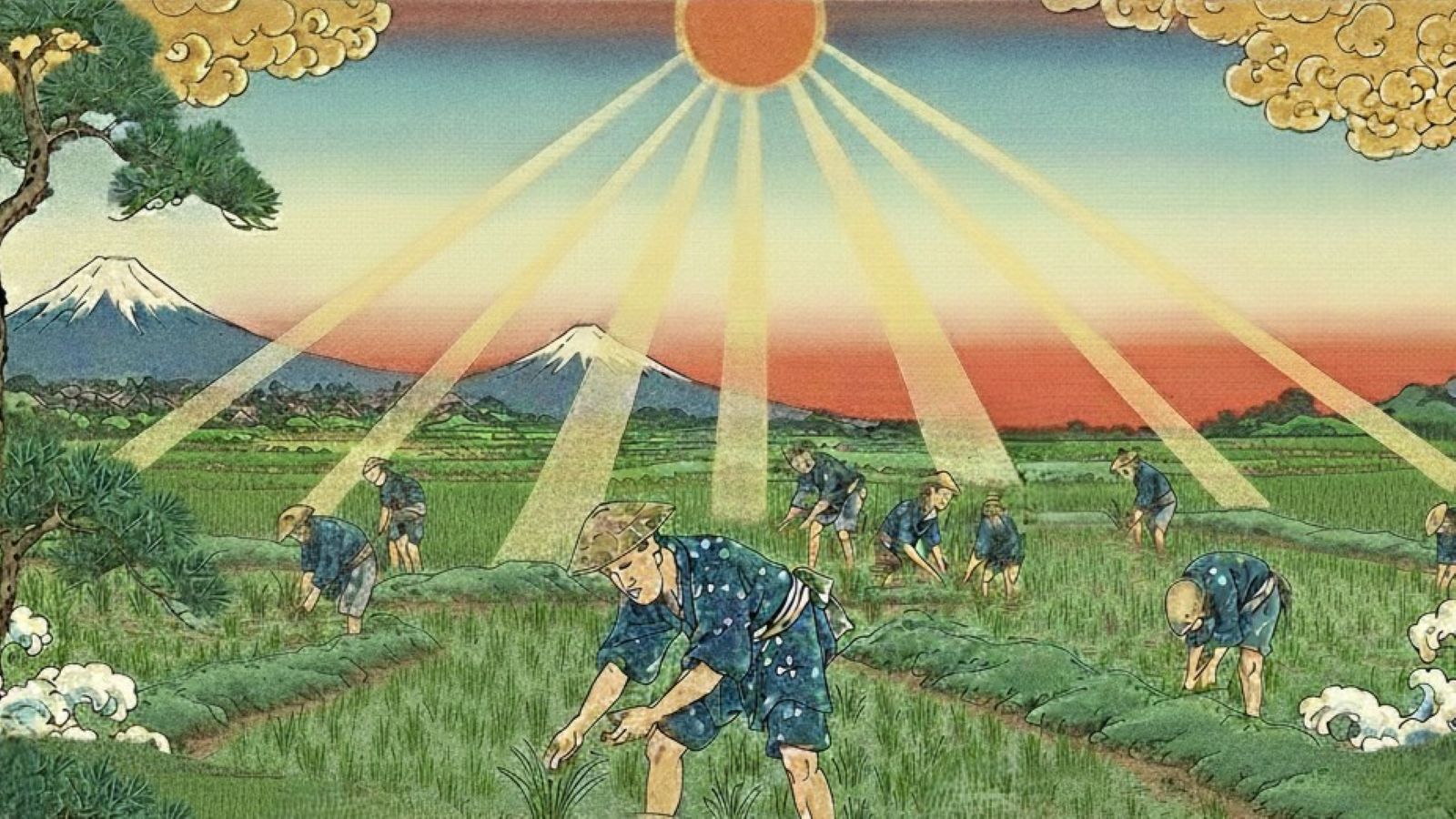
「福を得んとすれば福を植うるに若くは無い。」
To gain happiness, there is nothing better than to plant happiness.
— Rohan Kōda, On Effort
【解説】
Is happiness something that simply falls from the heavens if we wait for it? Rohan Kōda argues that the history of humanity has been a continuous series of our ancestors sowing the seeds of happiness—in other words, “planting bliss.” Just as one must plant rice to harvest it, he asserts that happiness can only be obtained through the effort of planting its source with our own hands and nurturing it. This is a truth that applies not only to agriculture but to all livelihoods, including industry and commerce. Our diligent daily work is nothing less than the noble task of “planting bliss” to bring happiness to ourselves and others in the future. These words seem to reacquaint us with the value of labor and encourage us to find hope for the future within our daily activities.
「何に依らず其のことが最善に到達したなら、その人も幸福であるし、又世にも
Regardless of the task, if one reaches the highest standard in it, that person will be happy, and they will also leave some contribution to the world.
— Rohan Kōda, On Effort
【解説】
Just as single drops of water gather to form a great river, the act of mastering a single path enriches society. Rohan tells us that not everyone needs to accomplish a grand undertaking. Even in a humble job, if one can pursue that path single-mindedly and elevate it to the highest level of excellence, it will not only lead to personal happiness but will surely become a tangible contribution to the world. These words teach us that there is no high or low in occupations and that there is dignity in diligently applying oneself to and mastering any livelihood. Rather than being overwhelmed by lofty goals, it is the act of doing one’s best in one’s own position that forms the foundation supporting society.
「思ふ可きところを思ひ、爲す可きところを爲さんと決定し、決行するのが、第一着手のところである。」
To contemplate what must be contemplated, decide to do what must be done, and then to act—that is the very first step.
— Rohan Kōda, On Effort
【解説】
Have you ever found your mind wandering in a thousand directions, even when you are supposed to be focused on a single task? Rohan calls this state of being unable to concentrate a “scattered mind” and explains how to overcome it. It is nothing other than clearly defining what “must be done” and what “must be contemplated” in this very moment, and then resolutely carrying it out. This determination is the first step to clearing away distracting thoughts and focusing the spirit on a single objective. This passage suggests that to produce high-quality results in one’s livelihood or business, the diligence gained through such mental training is essential. Everything begins with first setting one’s mind and then acting decisively.
「天運も
One cannot deny that heavenly fortune truly exists, and that human effort truly exists as well.
— Rohan Kōda, On Effort
【解説】
Is success a gift of one’s own efforts, or the result of being blessed with good luck? Observing the common tendency for the successful to speak of human agency and the unsuccessful to lament their fate, Rohan points out that neither one is the whole truth; both exist. Our lives and enterprises, while situated within the flow of an unfathomable destiny, can at the same time be carved out by our own will and effort—that is, by “human power.” In business and daily work, we may encounter an unexpected tailwind, or we may be hit by a headwind. These words teach us the importance of diligence in doing all that is humanly possible, while acknowledging the element of luck, without becoming complacent or despairing because of it.
「唯先天の遺伝、現在の教育に従て、根気能く勉めて迷わぬ者が勝を占めることでしょう。」
Only those who, guided by their innate disposition and present education, persevere diligently without wavering will ultimately prevail.
— Yukichi Fukuzawa, The Autobiography of Old Man Fuku
【解説】
Is it grand ambition or steady effort that ultimately determines success or failure in life? Fukuzawa reflects on his experience learning massage as a young man to earn tuition, stating that it was not born of some noble aspiration but simply of necessity. He argued that one’s childhood ambitions do not necessarily define one’s entire life; rather, it is those who build upon their innate nature and the education they receive, and who persevere with patience and without wavering, who ultimately achieve success. These words do not advocate for a specific livelihood or trade, but rather preach the importance of the universal virtue of “diligence” in fulfilling one’s duties in any situation. They demonstrate the truth that a sincere approach to the task at hand is what ultimately paves the way forward.
「農たらば大農となれ、商たらば大商となれ。」
If you are to be a farmer, become a great farmer; if you are to be a merchant, become a great merchant.
— Yukichi Fukuzawa, An Encouragement of Learning
【解説】
If you’re going to do something, why not aim for the top instead of settling for mediocrity? Fukuzawa lamented the trend of young people aspiring to scholarship who would content themselves with minor stability for the sake of immediate livelihood. He powerfully argued that if one studies, one should study thoroughly; similarly, if one farms, one should aim to be the greatest farmer in Japan, and if one engages in commerce, one should aim to be the greatest merchant in Japan. This parallel structure delivers a potent message: do not allow for easy compromises in your chosen livelihood, but strive diligently to become the foremost person in your field. It teaches us the importance of holding high aspirations, be it in business or any other endeavor. One can almost hear his passionate encouragement to the youth of the Meiji era, who endured meager meals while never losing sight of their great goals.
「ただ学問の
The breadth of one’s learning depends solely on whether that person studies diligently or not.
— Yukichi Fukuzawa, On Schools
【解説】
Talent, or effort? What is the single factor that determines the breadth and depth of one’s knowledge? Fukuzawa argued that one should study both Chinese classics and Western learning, not just one or the other. Citing the example of scholars in the West who could handle multiple languages as a matter of course, he asserted that this was also possible for the Japanese. He declared that the scope of one’s academic achievement, whether narrow or broad, depends not on talent or environment, but solely on one point: whether one studies diligently or not. These words are a powerful affirmation of the spirit of “diligence,” which is the foundation of any livelihood or business. They clearly express Fukuzawa’s philosophy, which valued self-responsibility and self-discipline, holding that the success or failure of achieving a goal depends entirely on one’s own efforts.
「うそつき商ばいの仲人屋もこれ
Even the matchmaker, in his trade of lies, told the truth just this once.
— Ihara Saikaku, Yuriko Miyamoto, Genroku Era Novels Volume 1, “Excerpts from Twenty Cases of Unfilial Children in Japan” (Colloquial Translation)
【解説】
The ends may justify the means, as they say, but when a person whose job it is to sell falsehoods speaks the truth, what meaning lies hidden there? This passage appears in a scene lamenting the contemporary trend of widowed women immediately seeking a new husband. It is spoken in a context that criticizes the changing times, as such women were traditionally expected to become nuns. The irony lies in the fact that even a matchmaker—whose business it is to arrange marriages with a silver tongue, sometimes resorting to lies—let slip his true feelings about this trend, calling it a “shameful thing.” The fact that the matchmaking profession is condemned here as a “trade of lies” seems to highlight a certain shadiness and the cynical public view of the underbelly of profit-seeking livelihoods. It is fascinating how a truthful word slipping from a merchant’s mouth can sharply depict both the essence of that profession and the human morality that transcends it.
「金がかたきになる浮世だワ」
It’s a fleeting world where money becomes your enemy.
— Ihara Saikaku, Yuriko Miyamoto, Genroku Era Novels Volume 1, “Excerpts from Twenty Cases of Unfilial Children in Japan” (Colloquial Translation)
【解説】
Does wealth bring happiness, or is it the seed of misfortune? These words are uttered by a man who, in an attempt to steal one hundred gold coins from a traveling monk, stabs him with a spear. Immediately after receiving the money from the monk, the man takes his life without hesitation. While committing a heartless act solely to obtain the money, he also laments that this very money is the “enemy” that drives people mad and leads them to kill each other, revealing a contradictory state of mind. This short phrase seems to confront us with a truth of this floating world: that the “money” people pursue through their livelihoods and businesses can sometimes cause them to lose their reason and become a source of tragedy. This line, which captures the demonic power and emptiness of money at the very moment a life is taken, can be said to symbolize the theme of karmic retribution that runs through the entire story.
「
One must simply advance directly and forge one’s own destiny.
— Rohan Kōda, On Effort
【解説】
Is our life merely a journey along a predetermined script? Rohan Kōda declares that it is a fundamental human emotion to wish to control the mysterious force of destiny, rather than to surrender to it. He then powerfully appeals that if one has this spirit, one should advance without hesitation and build one’s future with one’s own hands. This heroic spirit is an essential mentality when starting a new business or tackling a difficult enterprise. Instead of lamenting an uncertain future, one should carve out one’s own path through diligence and ingenuity. That is nothing less than what it means to “forge one’s destiny.”
(Editorial Cooperation: Haruna Ishita, Momona Sassa)
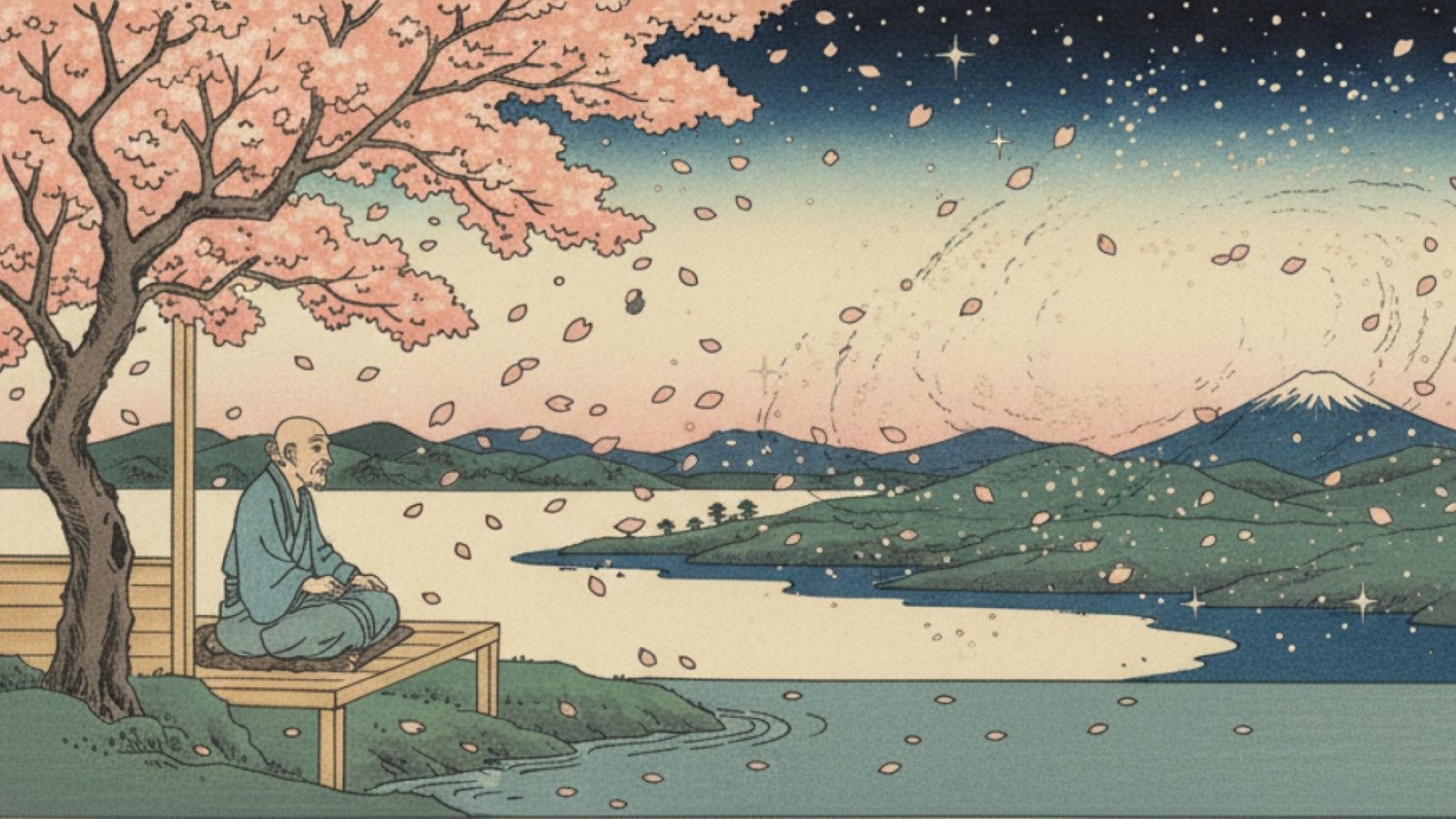
Japanese Views on Seasons - The Gaze of Literary Figures
Japanese literary figures have deeply engaged with the shifting seasons and the workings of life through various forms of expression such as novels and essays. Their delicate sensibilities and keen powers of observation open the door to a dialogue with nature for us, teaching us the beauty and philosophy hidden within everyday landscapes.
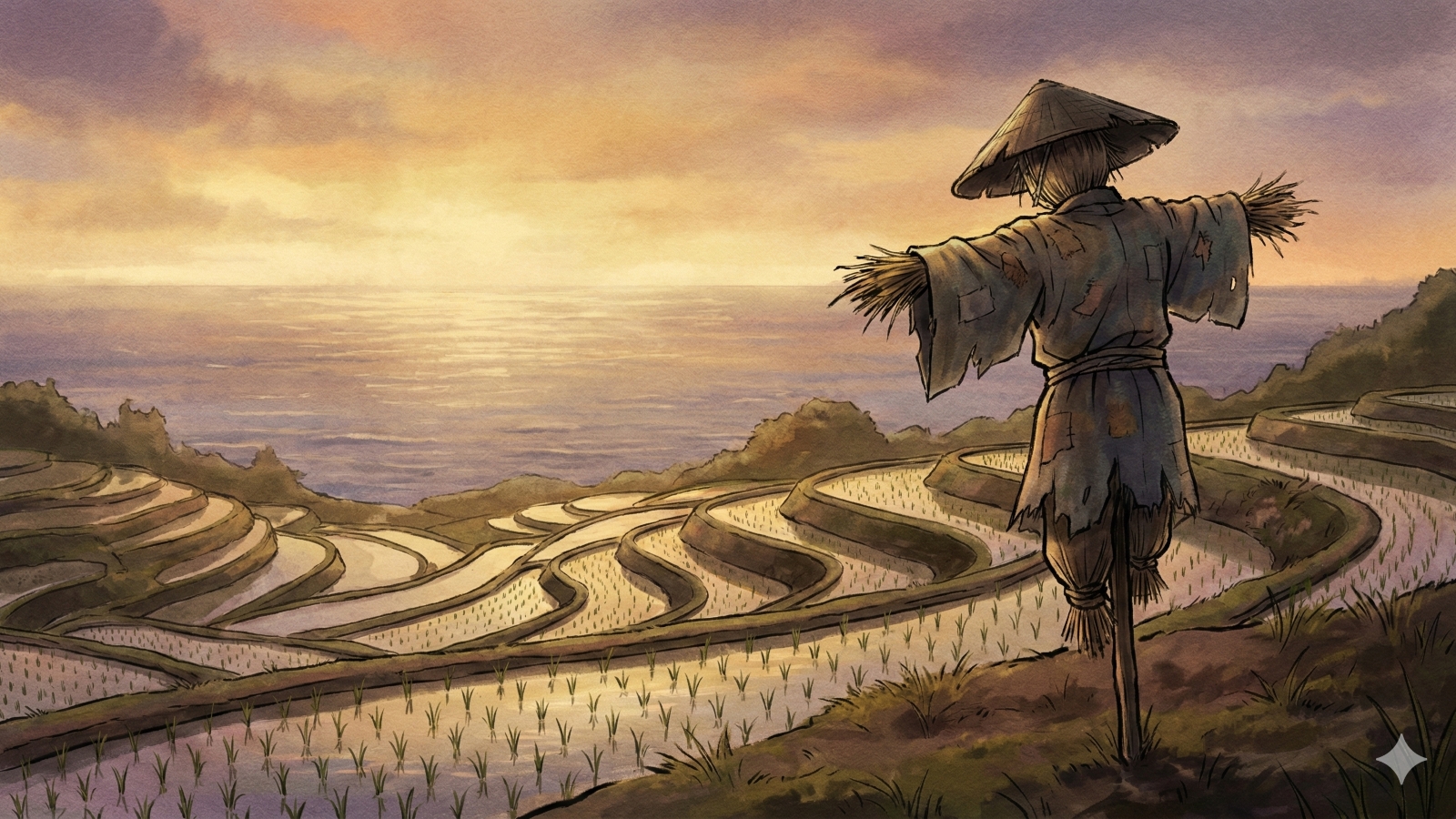
Japan's Primal Landscapes - A Tale of Memories Told by the Land
Superimposing the deceased onto the buzzing of flies, seeing gods in one-legged scarecrows. For Japanese people, these mysterious stories were not fantasy, but "life" itself, right next door. Longing for lands beyond the sea, legends remaining in ancient mounds. Why not travel through the frightening yet gentle "primal landscapes of the heart" gathered by Kunio Yanagita, Lafcadio Hearn, and others?

To Wonders Beyond Logic - The Beautiful Abyss Peered into by Scientists
Science is not just cold calculations. It is awe for nature beyond human understanding and an endless quest for beauty. Seeing the universe in a snowflake, feeling the ferocity of life in roadside grass... These are the adventurers of knowledge who confronted the overwhelming "mysteries" that appear only at the end of logic. We touch upon the records of their quiet yet passionate souls.
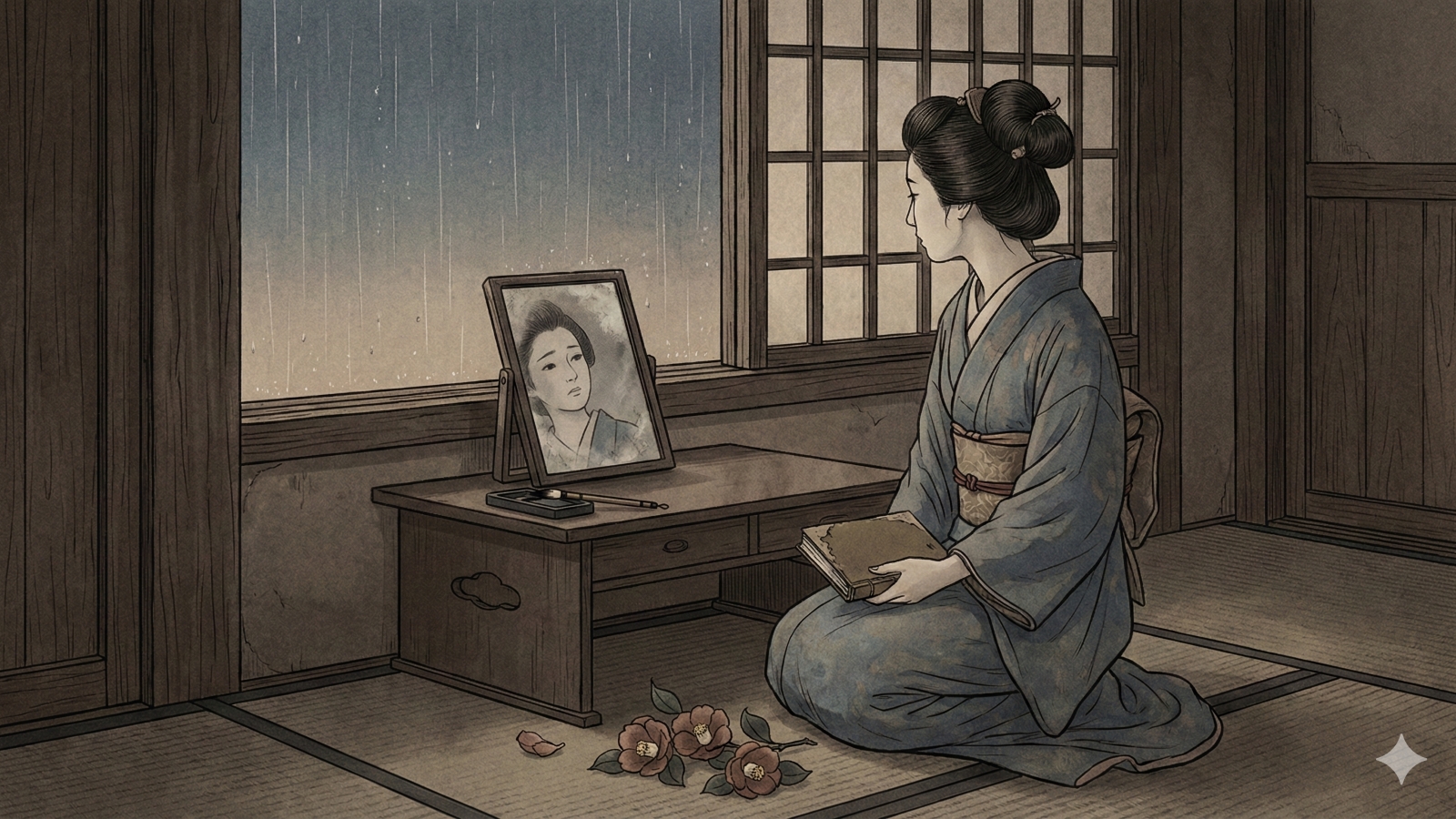
The Soul Screaming "I" - Stories of Fate and Pride by Modern Women
Should women's lives be plastered over with resignation to fate? Or is it a battle to break through social barriers and win one's own "life"? The dry self-mockery spat out by Ichiyō, the poignant scream released by Akiko for her beloved. We listen to the cries of their souls as they resisted the chains of their era, struggling through the mud to establish the "self."