

Deception Named Justice - Ethical Contradictions Exposed by Modern Literature
When legal judgment fails to bring true salvation and conflicts with humanitarian forgiveness, justice bears deep contradictions. The cause of "for the sake of the nation" became a shield for violence that stole workers' lives and residents' lands, distorting the logic of law. Modern literary giants sharply question the boundaries of our own ethics within this dichotomy of law and justice.

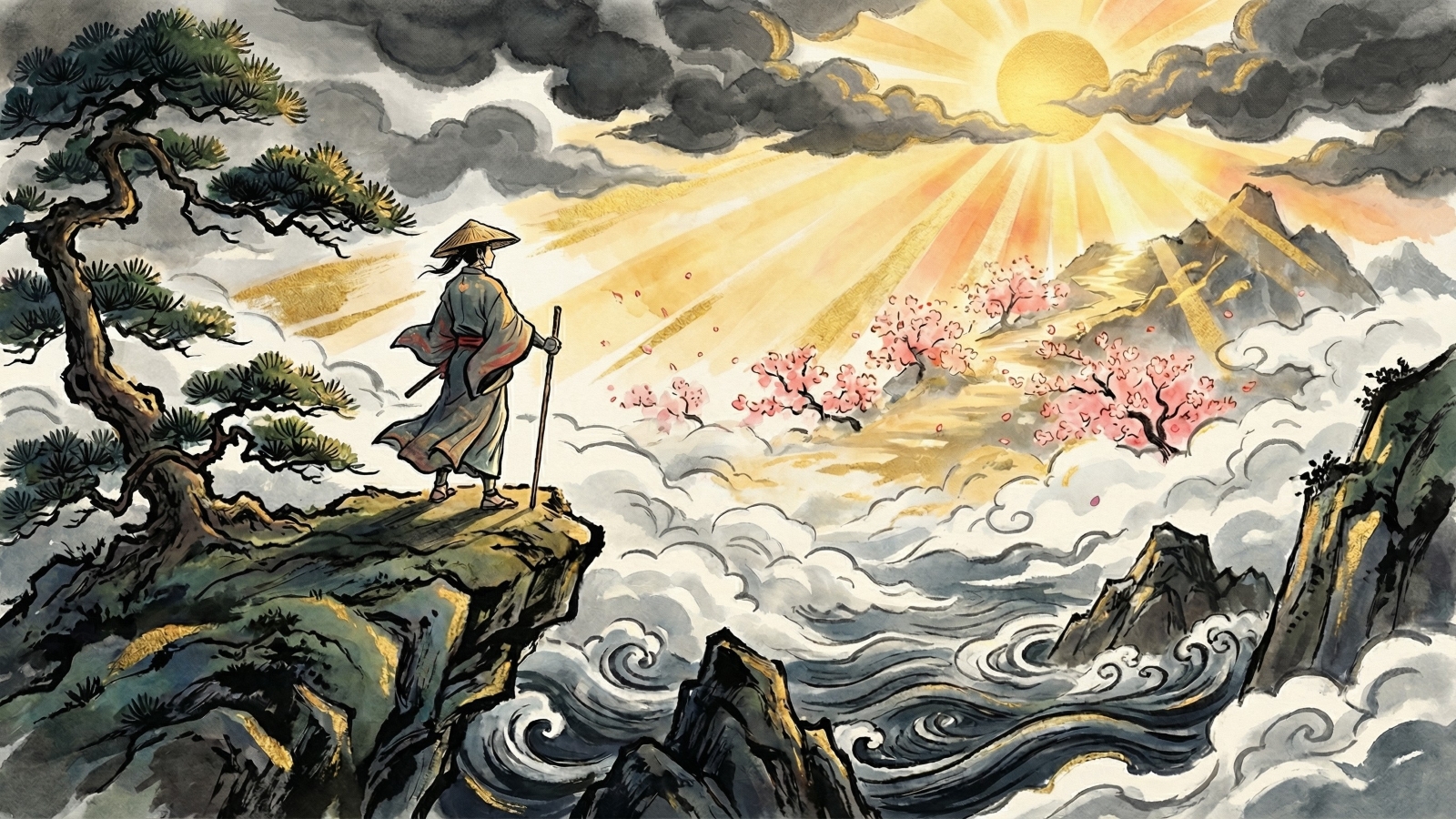
「法律は父を捕縛して彼に囚人の衣服を着せる、だがそれで子供の飢餓をとどめる事が出来たか?」
“The law captures the father and puts him in prisoner’s clothes, but has that been able to stop the hunger of the children?”
—— Emma Goldman, Marriage and Love (Translated by Noe Ito)
【Commentary】
Can legal justice truly save the weak? This work is a critique that sharply condemns the institution of marriage as being based not on love or freedom, but on economic dependence and social bondage. This passage confronts us with the harsh reality that while the law can punish a father who has committed a crime, it solves absolutely none of the fundamental problems, such as the hunger of the children left behind. It suggests that the execution of institutional “justice” can ironically beget new tragedies. This can be seen as a fundamental questioning of social systems themselves, highlighting that the formal application of law does not necessarily lead to true salvation or the realization of human justice.
「「国家」のために、労働者は「腹が減り」「タタき殺されて」行った。」
“For the sake of the ‘nation,’ workers went on ‘starving’ and being ‘beaten to death.’”
—— Takiji Kobayashi, The Crab Cannery Ship
【Commentary】
Perhaps there is nothing harder to see than injustice cloaked in a great cause. This work recounts the tragic fate of workers not only on the crab cannery ship but also in the development of Hokkaido. This sentence is a scathing indictment of the reality where nameless people starved and lost their lives to violence behind grand slogans like “for the sake of the nation,” “enrich the country, strengthen the military,” and resource development. Depicted here is the terrifying logic wherein law and humanity are rendered powerless before the absolute justice of “national interest,” rationalizing even exploitation and slaughter. Individual dignity was all too easily discarded as a sacrifice for a greater purpose. These words thrust upon us the fact that power claiming to represent justice can, at times, become the most ruthless apparatus of violence.
「奴、一人位タタキ落せるべよ」
“We can surely beat at least one of them down.”
—— Takiji Kobayashi, The Crab Cannery Ship
【Commentary】
When the judgment of the law is out of reach, do people attempt to execute justice with their own hands? This is a phrase spat out by a young fisherman in a scene where anger swirls among the remaining workers, believing that their missing comrade was killed by the supervisor. This rough remark vividly depicts the psychology of people leaning toward the direct means of “private sanctions” in extreme situations where public justice or legal judgment cannot be expected at all. In the closed room of the ship, the supervisor’s power is absolute, and the death of a worker is easily covered up. In a society where justice does not function, primitive emotions like retaliation and revenge may emerge as the only “justice.” This quote shows how easily the absence of justice drives people’s hearts toward violence.
「俺達には、俺達しか、味方が無えんだな。」
“We have no allies but ourselves, do we.”
—— Takiji Kobayashi, The Crab Cannery Ship
【Commentary】
When betrayed by the supposed guardians of justice, what can people rely on? This is the poignant realization reached by the remaining workers in the scene where the strike leaders are arrested as “traitors” by a destroyer of the Imperial Navy, which appeared at the company’s request. It is the desperate fact that the state power, which should be a fair arbiter, stood effortlessly on the side of the capitalists and suppressed the workers. The “public justice” in which they might have placed their last hopes bared its fangs instead of protecting them. They were confronted with the cold reality that institutions like law and the state ultimately function to protect the interests of the strong. These words tell of a tragic resolution to give up on external salvation and fight using only their own strength.
「死を決して人生の戦場に上つて居るのだ。」
“He has resolved to die and is stepping onto the battlefield of life.”
—— Toson Shimazaki, The Broken Commandment [Chapter 19]
【Commentary】
Does a battlefield refer only to a place thick with gunpowder smoke? Ushimatsu Segawa, a teacher living while hiding his origins from a discriminated community (buraku), sees himself in the figure of Rentaro Inoko, a thinker of the same origin who fights against social conventions. Rentaro continues to confront society single-mindedly, disregarding his illness-ravaged body, even as he is viewed with curiosity by those around him. To Ushimatsu’s eyes, that way of life appeared like a soldier heading to the battlefield prepared for death. These words seem to tell of the tragic and noble determination of a human being staking their life to uphold justice against the invisible enemies of social absurdity and prejudice. It also serves as a mirror reflecting the inner conflict of Ushimatsu himself, who suffers over his origins and maintains his silence.
「選挙は一種の遊戯で、政事家は皆な俳優に過ぎない、吾儕は唯見物して楽めば好いのだと。」
“Elections are a kind of game, and politicians are nothing more than actors; we common folk should just watch and enjoy the show.”
—— Toson Shimazaki, The Broken Commandment
【Commentary】
Is politics a noble endeavor for citizens, or a spectacle performed by skilled actors? This remark was made by a monk sharing a boat down the Chikuma River, ridiculing the election campaign. He likens politicians running around trying to buy voters’ favor to “actors,” and the election itself to a “game,” sneering that ordinary people like themselves should just watch and enjoy it. This cynical perspective sharply pierces the deception and populism behind politics that claim to uphold ideals and justice. The resignation and political distrust of the masses—seeing an endeavor that should determine the future of society as a mere farce involving the interests of a few—seem condensed in this light yet biting remark.
「殺したのは罪に相違ない。しかしそれが苦から救うためであったと思うと、そこに疑いが生じて、どうしても解けぬのである。」
“Killing him was undoubtedly a crime. However, when I think that it was done to save him from suffering, a doubt arises that I simply cannot resolve.”
—— Ogai Mori, Takasebune
【Commentary】
How great is the distance between the sin judged by law and the act forgiven by human compassion? This work is told from the perspective of Shobei, a constable escorting Kisuke, who is being exiled to a remote island for the crime of killing his younger brother. Shobei hears the truth of the incident from Kisuke, who seems too cheerful to be a criminal, and learns that the act was akin to euthanasia intended to save his suffering brother. This passage touches on the human motivation behind an act determined as a “crime” in the name of the law, accurately expressing Shobei’s state of mind as he is seized by a deep doubt that cannot be resolved by simple dualism of good and evil. When the law established by society conflicts with an individual’s inner ethics, where does true justice lie? The author offers no clear answer, casting a quiet question into the heart of each reader.
「
“It is an act of fraud to steal people’s property.”
—— Shozo Tanaka, The Sin of Land Annexation [Shozo Tanaka]
【Commentary】
If the state were to deceive the people under the guise of law, what should that act be called? In this speech, Shozo Tanaka denounces the government’s injustice in land acquisition, carried out under the pretext of turning Yanaka Village—the victim of the Ashio Copper Mine pollution incident—into a “reservoir.” He asserted that the method of driving residents into economic and mental corners to force them to let go of their land, without clear legal grounds, was not mere administrative procedure but “fraud” itself. It contains the anger that exercising power to steal people’s property without a basis in legitimate law is the greatest injustice by the state. Tanaka’s words tell of the harsh reality that the law is not always on the side of justice.
「是れ正義人道より生ずる当然の義務なり。」
“This is a natural duty born of justice and humanity.”
—— Shozo Tanaka, Emergency Petition [Shozo Tanaka]
【Commentary】
Is it permissible to overlook the suffering people right in front of us? This text is an “Emergency Petition” appealing to the neighboring Gunma Prefecture for help regarding the plight of Yanaka Village in Tochigi Prefecture, which was about to be forcibly abolished. Shozo Tanaka argues that one cannot remain uninvolved simply because the administrative district is different. He emphasizes that saving a neighbor in distress is a justice and natural duty as a human being, prior to any laws or institutions. His appeal stands on the standard of justice called “humanity,” which is more fundamental than formal legal frameworks. These words seem to teach us the universal value of reaching out across barriers such as affiliation and position.
「民を殺すは國家を殺すなり。法を
“To kill the people is to kill the nation. To show contempt for the law is to show contempt for the nation.”
—— Shozo Tanaka, Question Regarding the Matter of National Ruin [Shozo Tanaka]
【Commentary】
What destroys a country may not be external enemies, but internal injustice. At the beginning of his speech, Shozo Tanaka expresses a strong sense of crisis, stating that the government’s stance of neglecting the mineral pollution issue is an act that destroys the nation. With powerful parallelism, he concluded that disregarding the lives of the people is to kill the nation itself, and to treat the law with contempt is to treat the nation with contempt. This presents a view of the state rooted in justice: that the lives of the citizens and the rule of law are the very foundations of a nation’s existence, and when these two are damaged, the country is effectively as good as dead. These words seem to question us, transcending eras, about where the heaviest responsibility of politics lies.
(Editorial Cooperation: Haruna Ishita, Momona Sassa)
Japanese Views on Seasons - The Gaze of Literary Figures
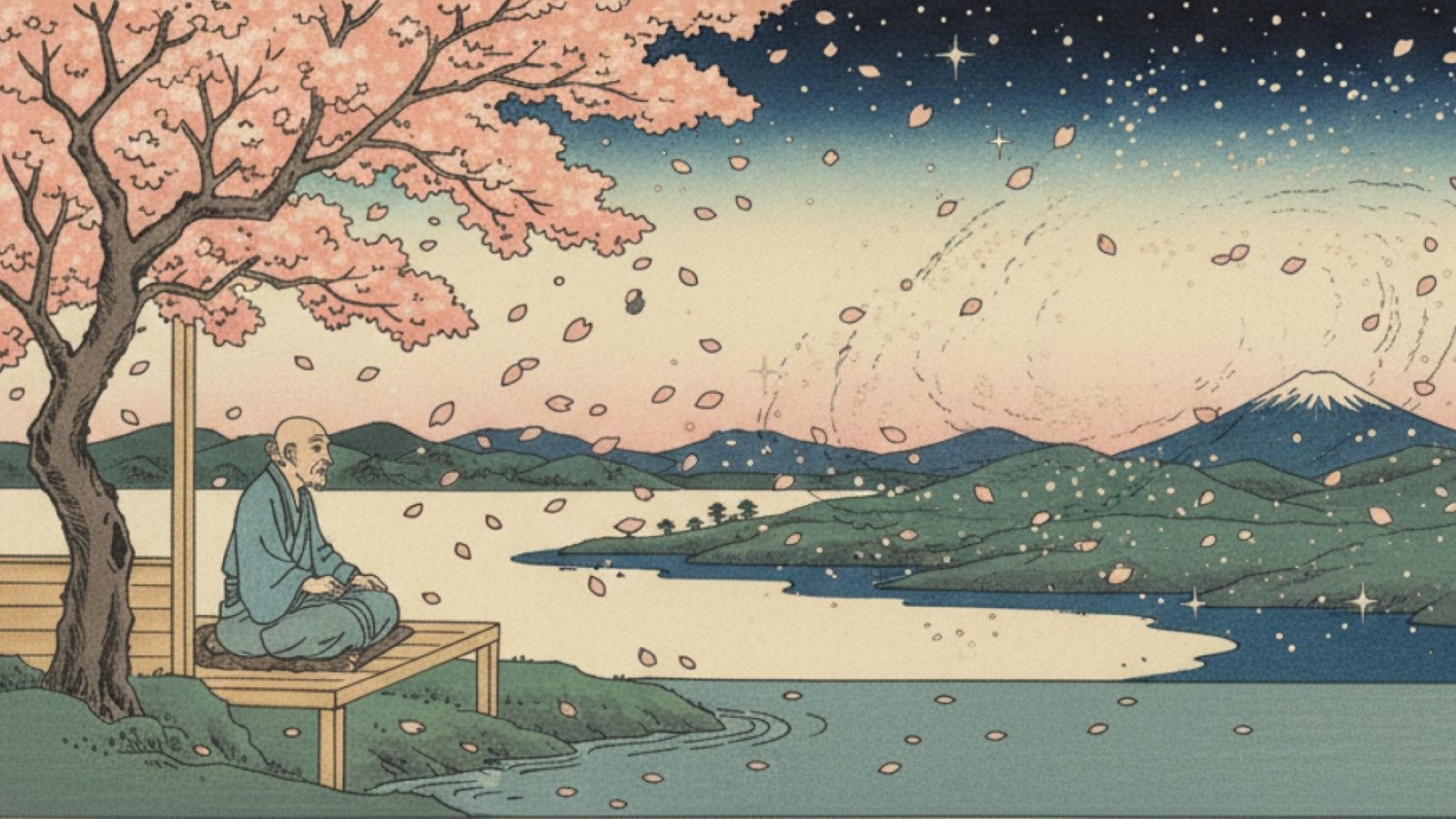
Japanese literary figures have deeply engaged with the shifting seasons and the workings of life through various forms of expression such as novels and essays. Their delicate sensibilities and keen powers of observation open the door to a dialogue with nature for us, teaching us the beauty and philosophy hidden within everyday landscapes.
Japan's Primal Landscapes - A Tale of Memories Told by the Land
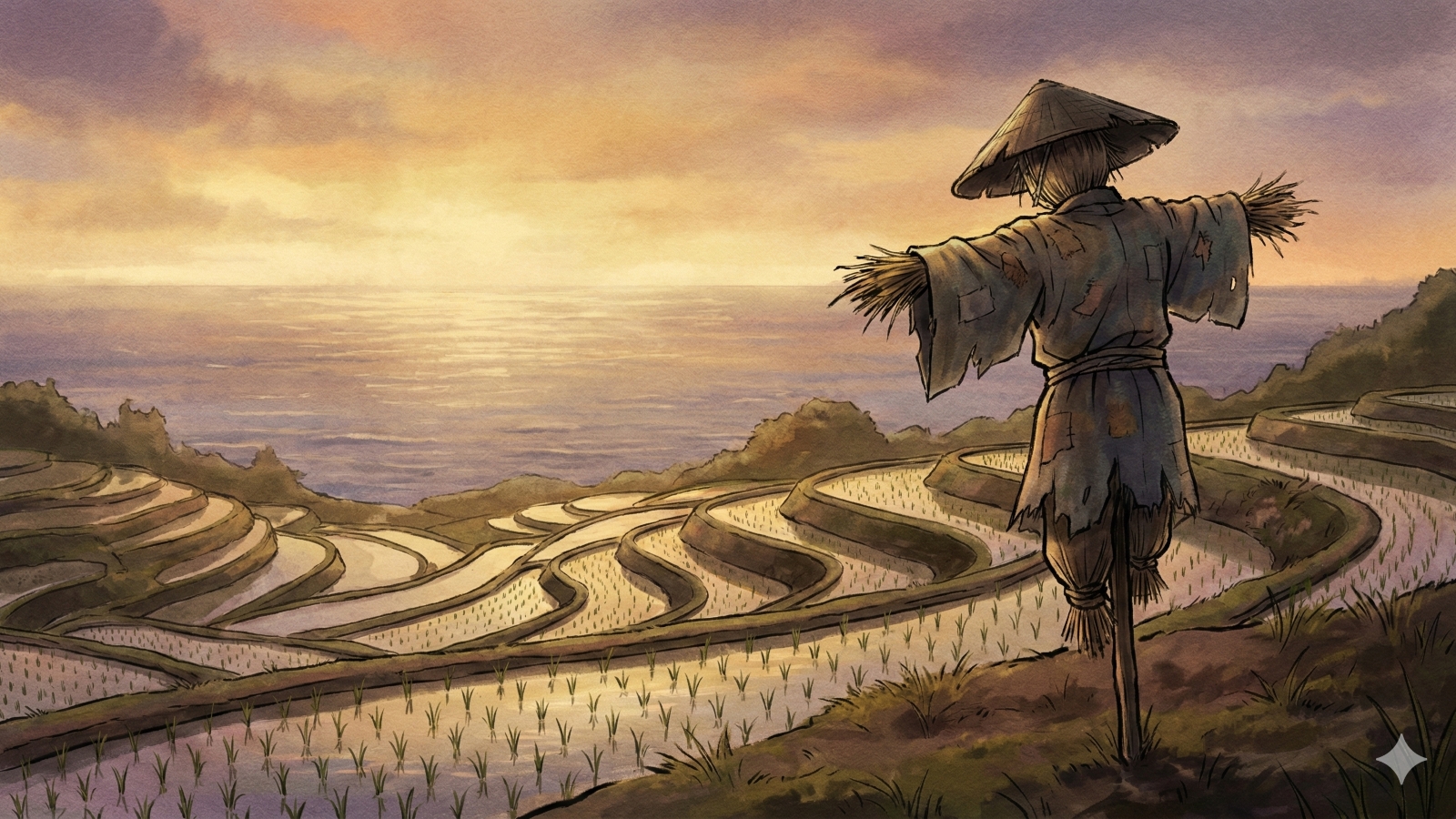
Superimposing the deceased onto the buzzing of flies, seeing gods in one-legged scarecrows. For Japanese people, these mysterious stories were not fantasy, but "life" itself, right next door. Longing for lands beyond the sea, legends remaining in ancient mounds. Why not travel through the frightening yet gentle "primal landscapes of the heart" gathered by Kunio Yanagita, Lafcadio Hearn, and others?

To Wonders Beyond Logic - The Beautiful Abyss Peered into by Scientists
Science is not just cold calculations. It is awe for nature beyond human understanding and an endless quest for beauty. Seeing the universe in a snowflake, feeling the ferocity of life in roadside grass... These are the adventurers of knowledge who confronted the overwhelming "mysteries" that appear only at the end of logic. We touch upon the records of their quiet yet passionate souls.
The Soul Screaming "I" - Stories of Fate and Pride by Modern Women
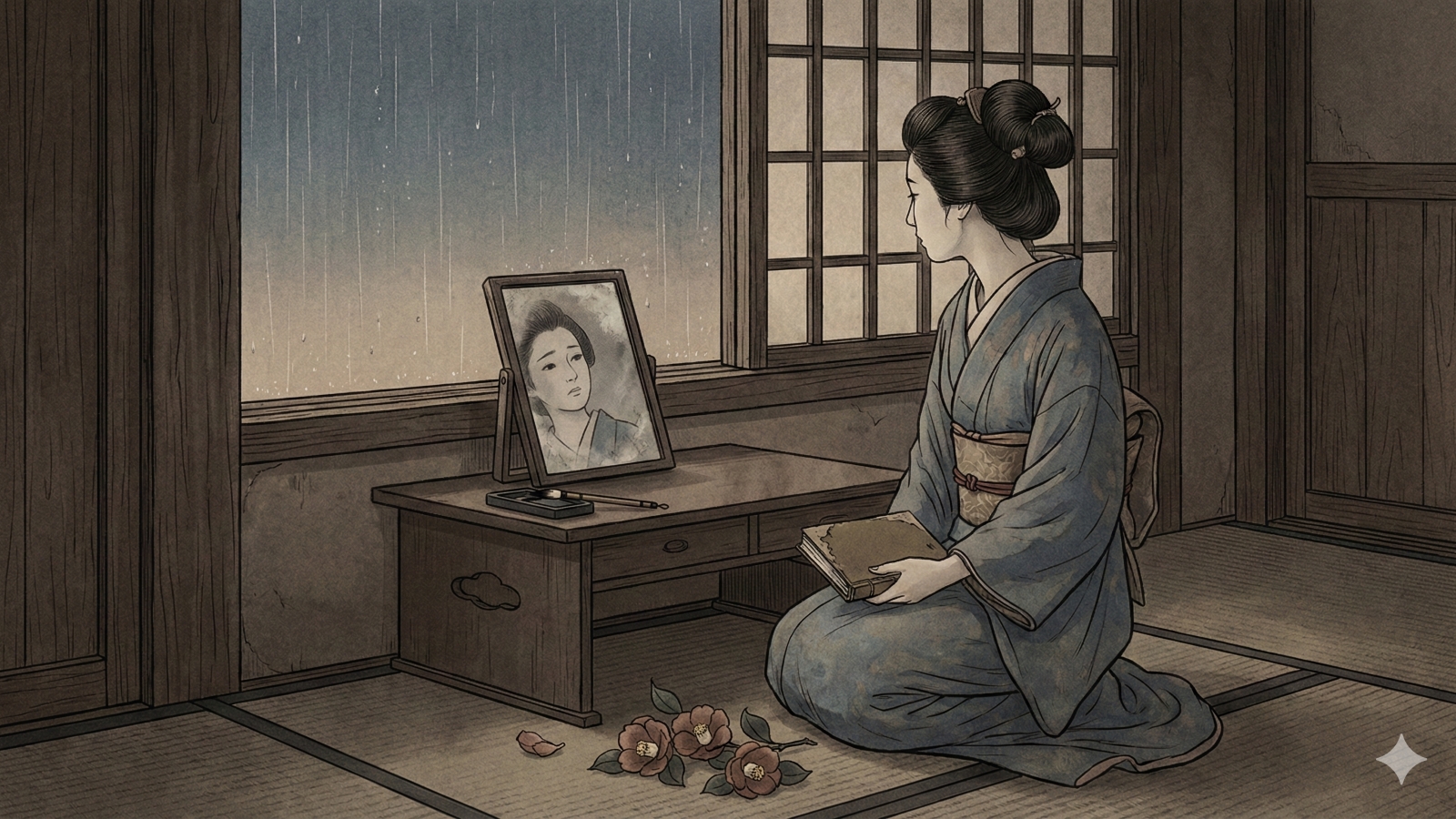
Should women's lives be plastered over with resignation to fate? Or is it a battle to break through social barriers and win one's own "life"? The dry self-mockery spat out by Ichiyō, the poignant scream released by Akiko for her beloved. We listen to the cries of their souls as they resisted the chains of their era, struggling through the mud to establish the "self."