

In Search of Lost Truth - The Corruption Called Maturity
The wish to "return to childhood" is not merely nostalgia. It is a thirst for the "mirror that reflects the world as it is," which we let go of in the process of adapting to society. Their overwhelming "power to live in the now" quietly yet sharply pierces through the deception of adults armed with reason and calculation.

「子供であることをうれしいとは、子供は思っていない。子供はまじめなんだ。」
“Children do not think they are happy to be children. Children are serious.”
—— Mimei Ogawa, After Many Years [The Sun]
【Commentary】
The adult wish to “return to childhood” might actually be the greatest misunderstanding of children. Adults look back on childhood nostalgically as an innocent paradise without responsibility, but the children themselves are living that moment seriously and desperately. For them, the world is not merely a playground, but reality itself to be confronted. This paradoxical aphorism, borrowing the words of the sun, rejects easy sentimentality and sharply points out the dignity of the existence known as a child. This quote teaches us the importance of facing a child not as a “cute being” to be consumed, but as a single, serious human being.
「子供は、いつも美しいし、子供の心は、いつも朗らかだ。」
“Children are always beautiful, and a child’s heart is always cheerful.”
—— Mimei Ogawa, Children Know No Sorrow
【Commentary】
Do you possess a heart that reflects the world as it is, like an unclouded mirror? No matter how much they are scolded, children forget their sadness in the next moment and find joy. That quickness to switch gears is proof that they are living with all their might in the “now,” unbound by the past or future. That cheerfulness, which always finds beauty without dragging along depressed emotions like adults do, seems to suggest the state of the soul we should aim for. Perhaps the world itself is full of light and joy, as reflected in a child’s eyes, and it is only adults who have lost their way and darkened the world.
「すべての空想が、その華麗な花と咲くためには、豊饒の現実を温床としなければならぬ」
“For every fantasy to bloom as a magnificent flower, it must have fertile reality as its hotbed.”
—— Mimei Ogawa, New Theory of Fairy Tales
【Commentary】
Just as fertile soil is necessary for beautiful flowers to bloom. The author, also known as the Japanese Andersen, does not view fantasy and reality as opposing forces. Rather, he argues that truly fascinating fantasies (fairy tales) are born only when deeply rooted in the knowledge and living reality (= reality) of modern children. The reason the old story of the rabbit in the moon no longer works is not because children have lost their poetic hearts, but because their perception of reality has changed. Fairy tales of the new era must be dreams that soar even higher while being based on the “fertile reality” of science and modern life.
「自由な世界――創造の世界――神秘の世界――これが即ち童話であります。」
“A free world—a world of creation—a world of mystery—this is what a fairy tale is.”
—— Mimei Ogawa, The Poetic Value of Fairy Tales
【Commentary】
Are fairy tales not merely fiction, but a free territory that the soul seeks primordially? Mimei Ogawa praises the sharp intuition and innocence possessed by children, asserting that they are the true romantics. The act of reclaiming the childlike heart as an “ideological hometown,” which adults have lost in social life, was the driving force of his creation. Here, fairy tales are defined as a supreme place where pure souls resonate with each other, leaving behind the constraints of reality. The door to that world, beyond logic and self-interest, will likely open quietly only to those with innocent hearts.
「人間の児童は真理の国に生活する。」
“Human children live in the land of truth.”
—— Kiichi Kaneda, Preface to Grimm’s Fairy Tales
【Commentary】
Children may know the secrets of the world without being taught by anyone. The translator says that just as birds fly in the sky and fish live in the water, children are born residents of the “land of truth.” Artificial lessons given by adults with good intentions can often become a “demonic kindness” that spoils this natural innocence. Grimm’s Fairy Tales hold true value because they reflect the providence of great nature and the simple human soul exactly as they are, beyond educational intent. Adults should not lead children, but respect the land of truth where they live and learn from it.
「すべての子供たちは、本來「夢」の中で育ち、そして夢を見ることによつて生き、夢を榮養食することによつて自己を生育させてゐるのである。」
“All children are originally raised within ‘dreams,’ live by dreaming, and grow themselves by consuming dreams as nutrition.”
—— Sakutaro Hagiwara, On Fairy Tales and Education
【Commentary】
It is not only tapirs that eat dreams; children also fatten their souls with dreams as sustenance. The poet argues that “dreams” and “fantasy” for children are never escapism, but essential nutrients for growth. Magic and adventures that seem absurd to adults are urgent realities for children. “Factual fairy tales” plastered only with easy scientism and rationality do not reach a child’s heart. Depriving them of the meal for the heart called fantasy is nothing other than hindering their spiritual development.
「素直な子供を見ていると、なにもかもが備っているように、保証されているように思えてきます。」
“When I look at an honest child, it seems as if everything is provided for, as if everything is guaranteed.”
—— Kiyoshi Koyama, Saint Andersen
【Commentary】
In front of innocent eyes, the deficiencies and anxieties held by adults seem as if they never existed from the start. Kiyoshi Koyama loved the time spent telling his own fairy tales to children in the park, and while likening himself to “Saint Andersen,” he confesses his nature of loving children. A child’s honesty is a complete world in itself, possessing a power that makes one feel salvation just by looking at it. Even in a lonely life, his yearning for fairy tales and love for children continued to exist as a certain light for him. That gaze is comical like Don Quixote, yet at the same time filled with holy purity.
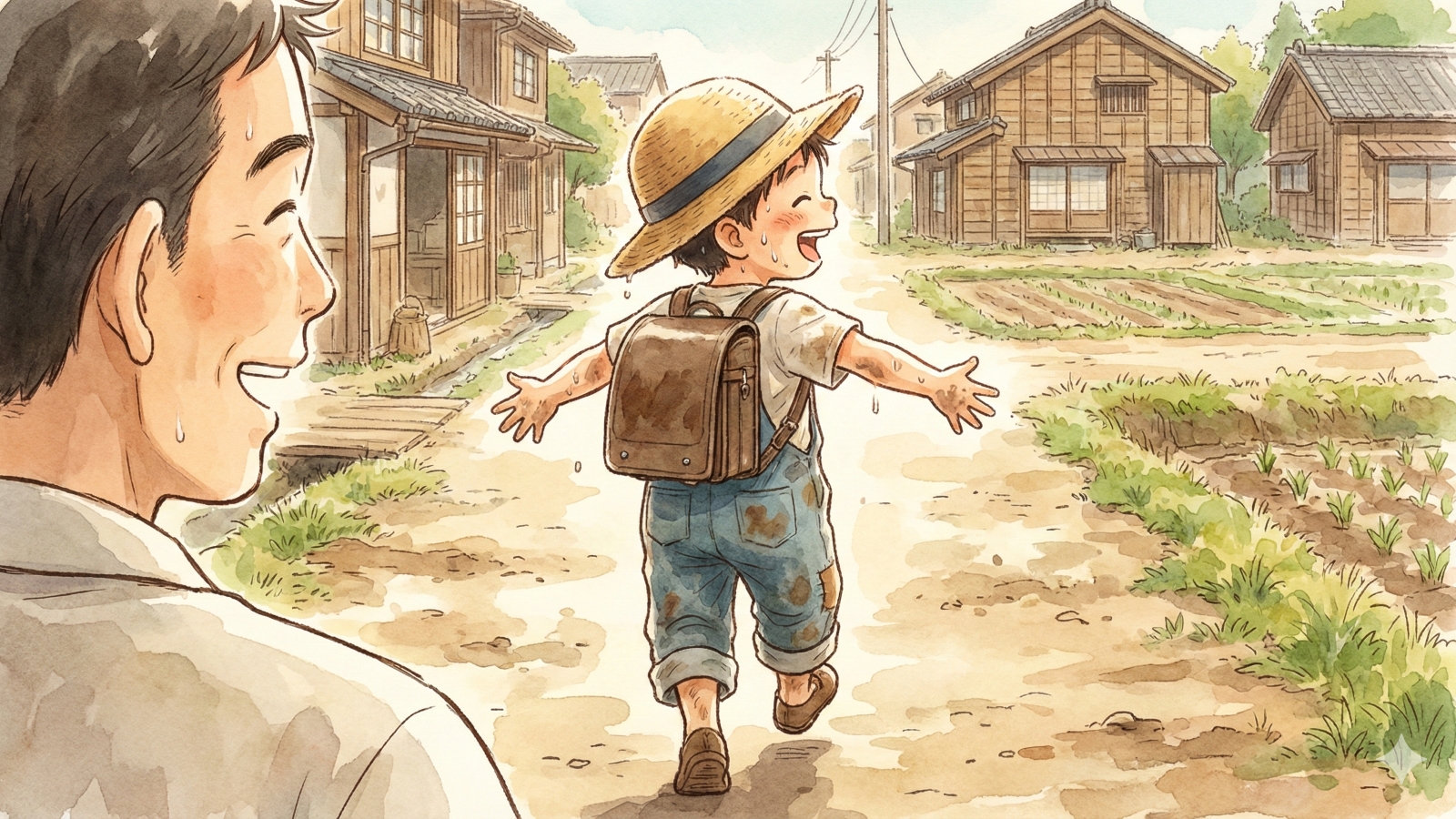
「わが
“My child walks. Joyfully, already covered in sweat.”
—— Motomaro Senge, I Saw It
【Commentary】
Happiness might unexpectedly be walking with a small, sweat-covered back. My child walks around the town following curiosity, turning a carefree smile toward everyone. That figure is a lump of pure vitality that knows no prejudice or calculation. Watching that back, the father becomes convinced that the child is the very embodiment of “happiness.” The brave earnestness of moving forward without worrying about dirt even after falling lights a warm lamp in the reader’s heart.
(Editorial Cooperation: Haruna Ishita, Momona Sassa)
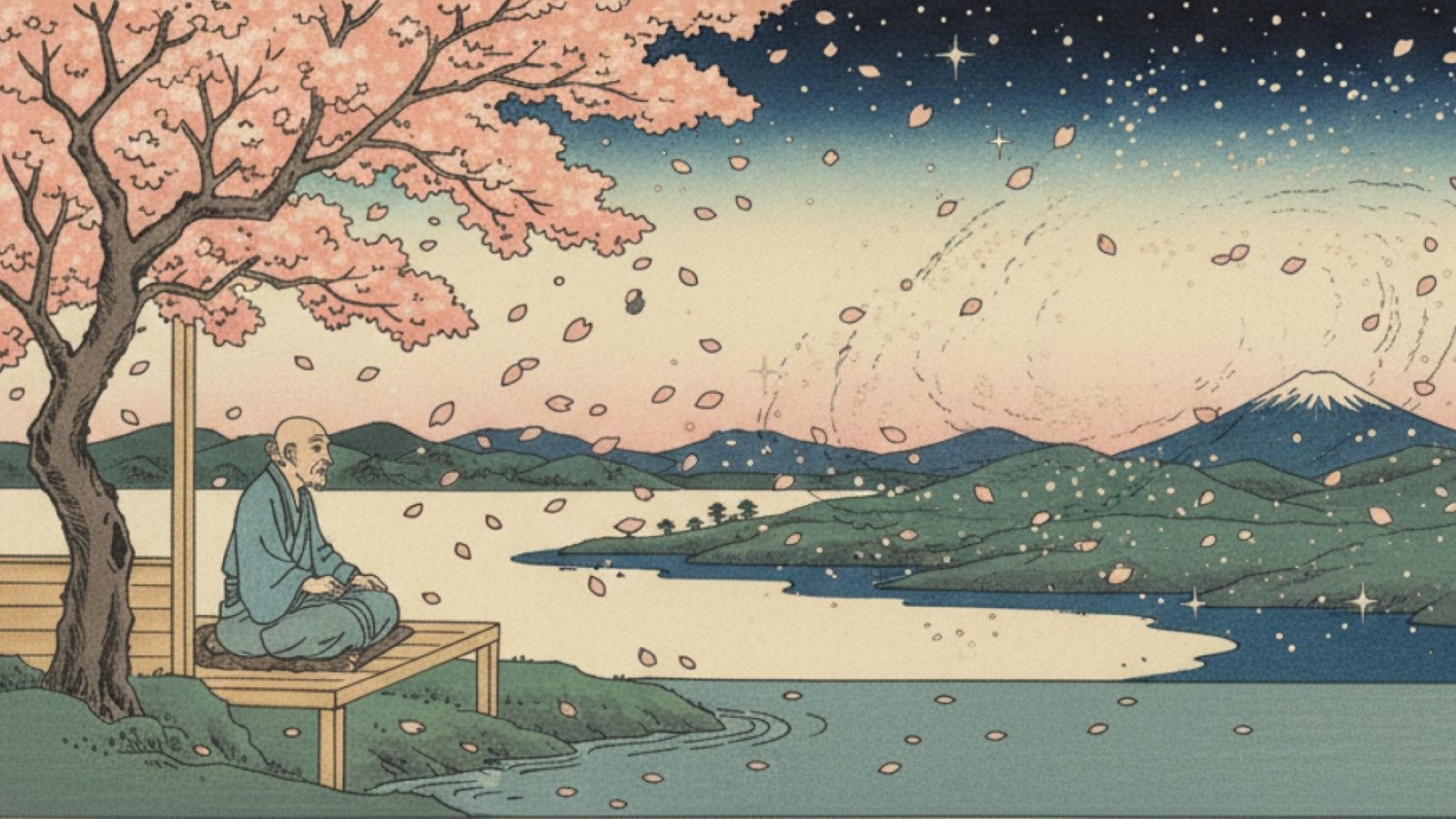
Japanese Views on Seasons - The Gaze of Literary Figures
Japanese literary figures have deeply engaged with the shifting seasons and the workings of life through various forms of expression such as novels and essays. Their delicate sensibilities and keen powers of observation open the door to a dialogue with nature for us, teaching us the beauty and philosophy hidden within everyday landscapes.
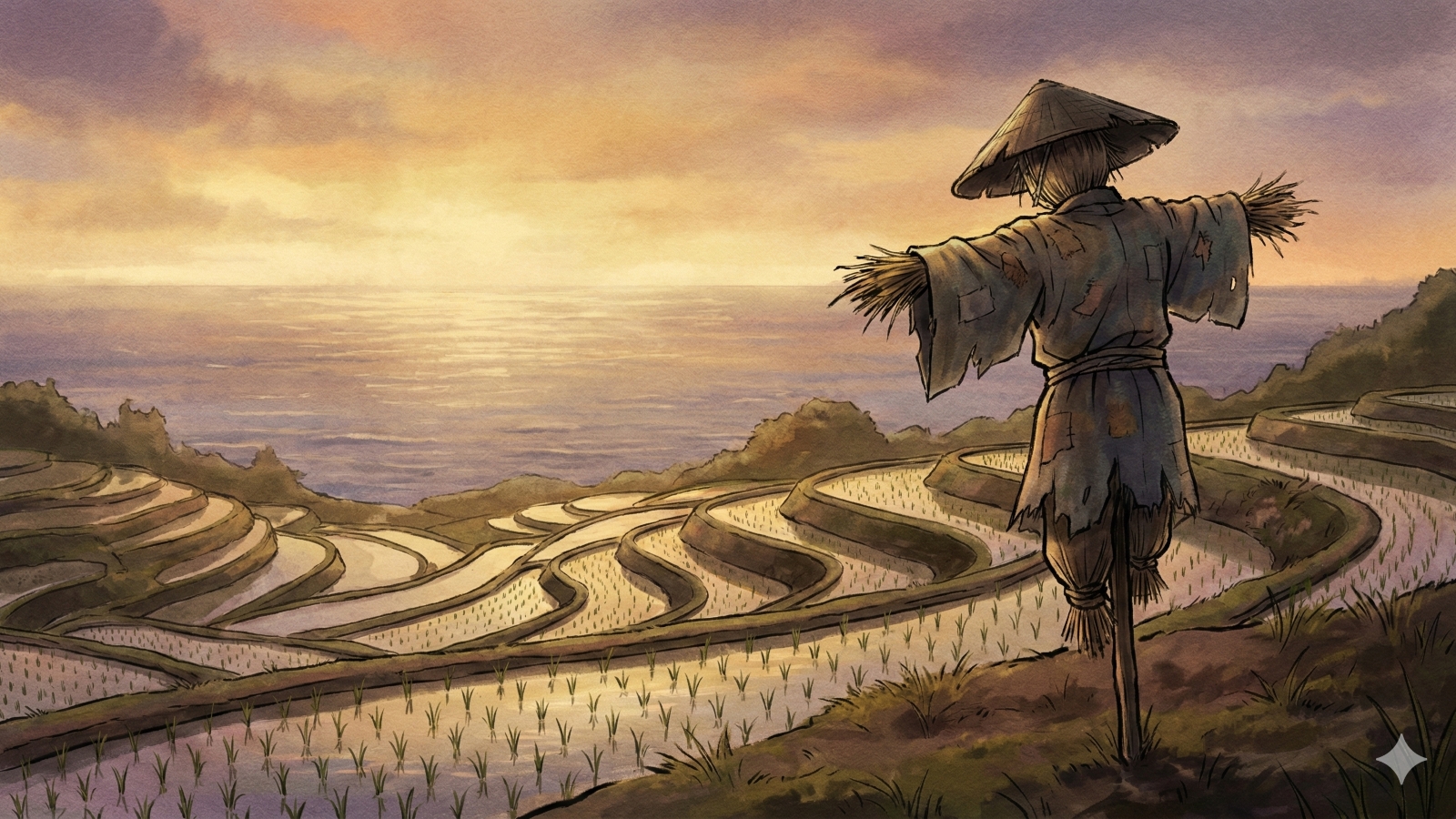
Japan's Primal Landscapes - A Tale of Memories Told by the Land
Superimposing the deceased onto the buzzing of flies, seeing gods in one-legged scarecrows. For Japanese people, these mysterious stories were not fantasy, but "life" itself, right next door. Longing for lands beyond the sea, legends remaining in ancient mounds. Why not travel through the frightening yet gentle "primal landscapes of the heart" gathered by Kunio Yanagita, Lafcadio Hearn, and others?
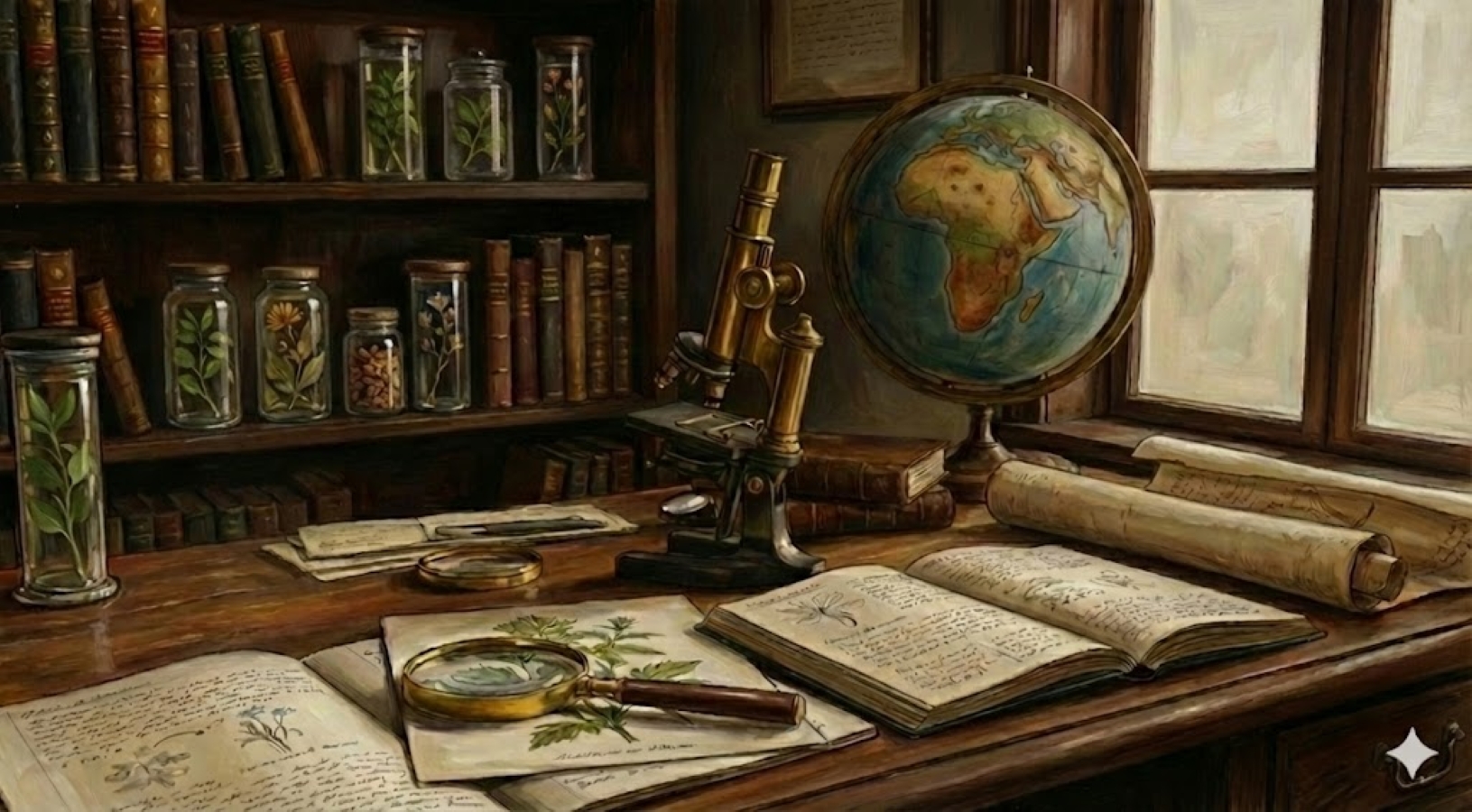
To Wonders Beyond Logic - The Beautiful Abyss Peered into by Scientists
Science is not just cold calculations. It is awe for nature beyond human understanding and an endless quest for beauty. Seeing the universe in a snowflake, feeling the ferocity of life in roadside grass... These are the adventurers of knowledge who confronted the overwhelming "mysteries" that appear only at the end of logic. We touch upon the records of their quiet yet passionate souls.
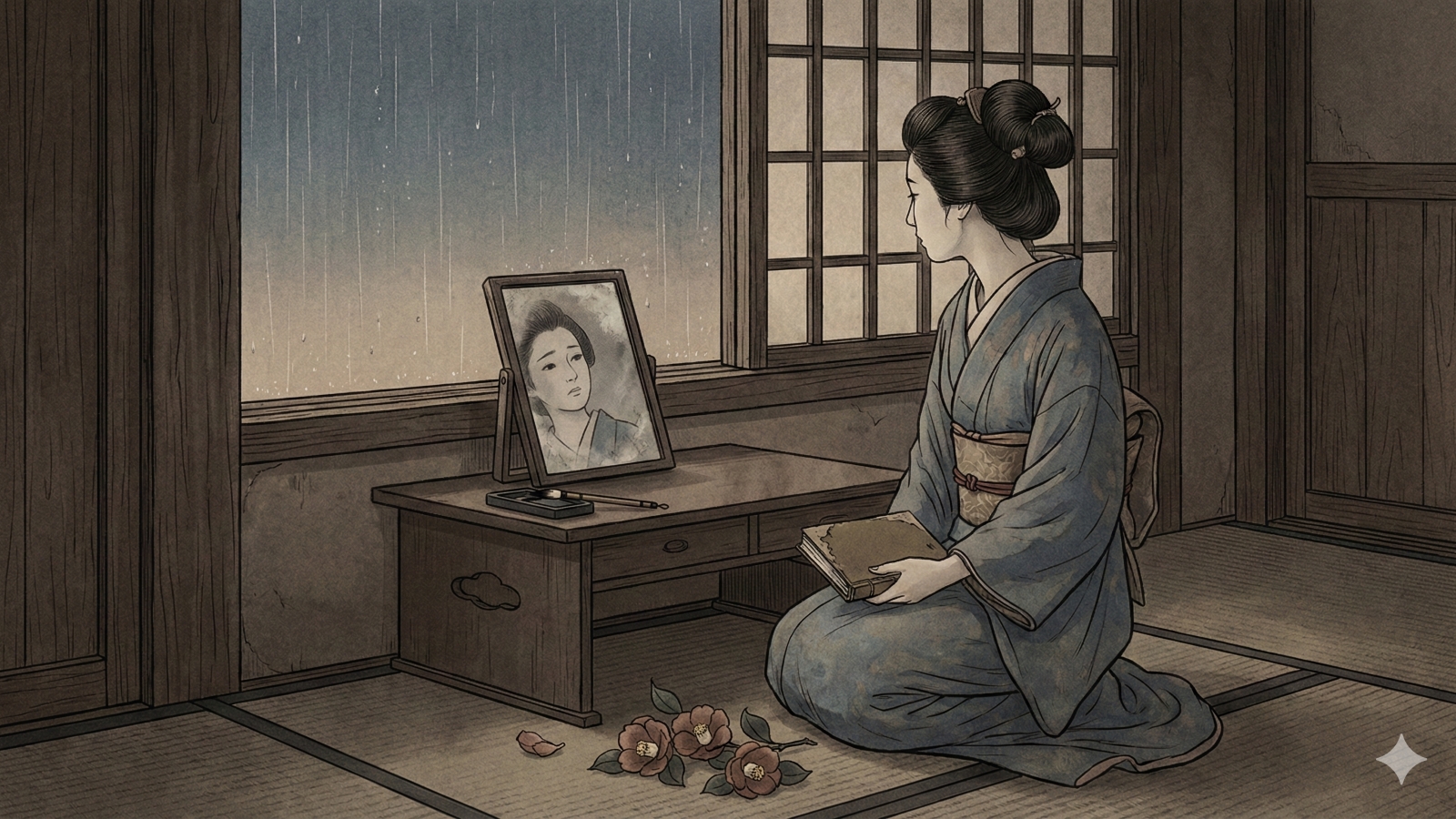
The Soul Screaming "I" - Stories of Fate and Pride by Modern Women
Should women's lives be plastered over with resignation to fate? Or is it a battle to break through social barriers and win one's own "life"? The dry self-mockery spat out by Ichiyō, the poignant scream released by Akiko for her beloved. We listen to the cries of their souls as they resisted the chains of their era, struggling through the mud to establish the "self."