

When You Were Still a Child — Tales of the Forgotten Heart
Once upon a time, there lived children wiser than anyone, who knew neither calculation nor lies. They understood that what truly matters is not complex logic, but an honest heart that weeps and laughs for the sake of others. Come, let us return to that nostalgic forest to search for our lost treasures.

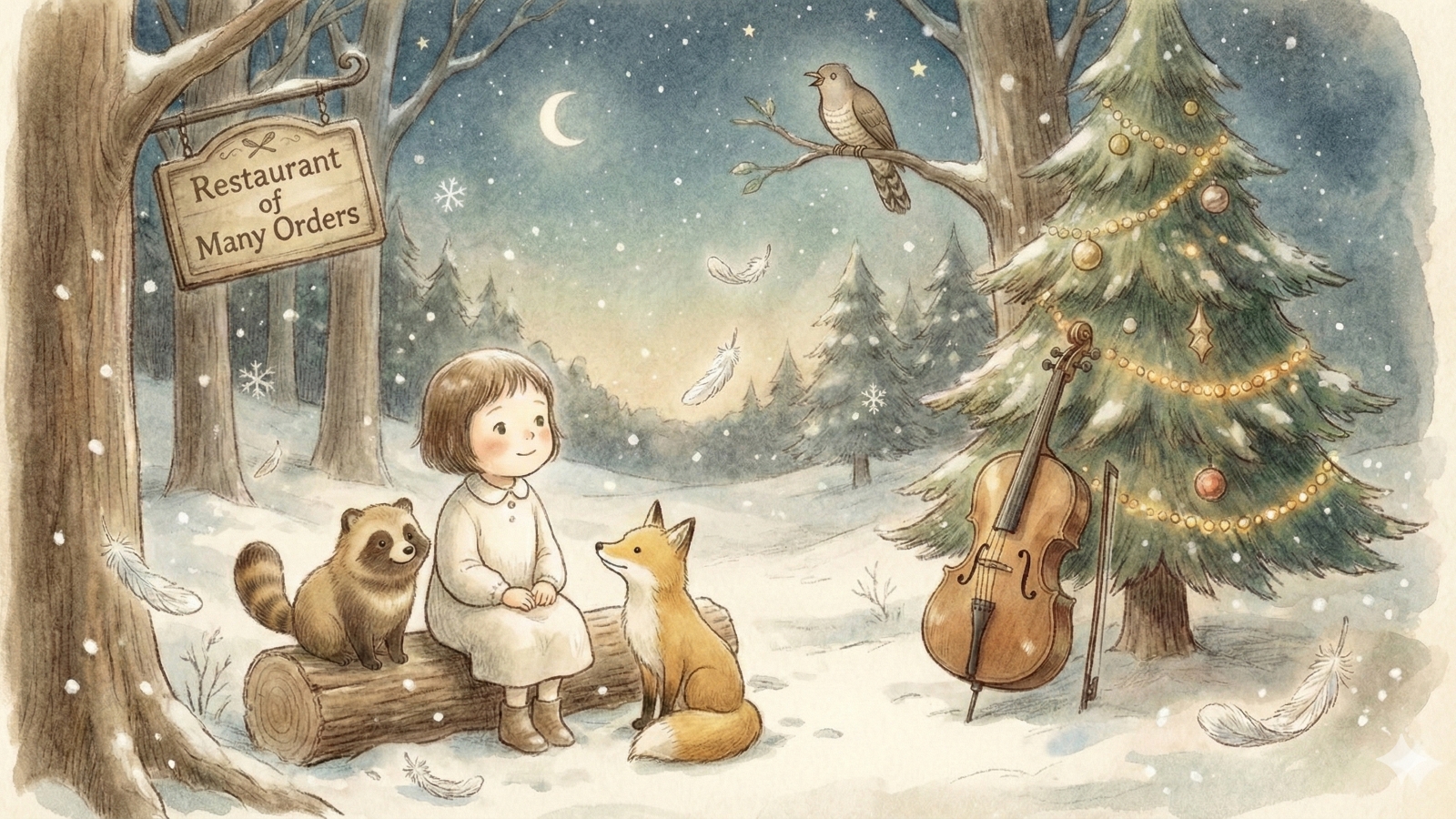
「
“I don’t know what ‘Tanuki soup’ is.”
—— Kenji Miyazawa, Gauche the Cellist [Little Tanuki]
【Commentary】
Ignorance can sometimes be the strongest armor. The cruel word “Tanuki soup,” which Gauche used as a threat, held no meaning for the little raccoon dog who didn’t know it. It is a thrilling moment where adult malice and sarcasm are rendered powerless before a child’s innocence. Faced with those eyes that doubted nothing—having been told by his father that Gauche was a “good person”—Gauche had no choice but to lose his venom and burst out laughing.
「かっこうと一万云えば一万みんなちがうんです。」
“If you say ‘cuckoo’ ten thousand times, all ten thousand are different.”
—— Kenji Miyazawa, Gauche the Cellist [Cuckoo]
【Commentary】
Even sounds that seem identical to us hold a unique brilliance for them, one by one. It is a sensibility that finds infinite variations and meaning within what appears to be a repetition of monotonous calls. This may be close to the childlike sense of capturing the world as it is—something adults have forgotten. This truth, spoken by a dweller of the natural world, paradoxically conveys to Gauche that the essence of music lies not merely in technique.
「当軒は注文の多い料理店ですからどうかそこはご承知ください」
“This is a restaurant with many orders, so please understand that.”
—— Kenji Miyazawa, The Restaurant of Many Orders
【Commentary】
Are words not a magic mirror that can become poison or medicine depending on the recipient? The warning posted on the door of this story cleverly overlaps the meaning of the restaurant having many “orders” (requests) from customers with the meaning of having many “orders” (commands) for the customers. The gentlemen interpret this conveniently for themselves and proceed deeper without suspicion, but that innocent optimism is precisely the greatest trap. The malfunction of communication and the gap in perception lurking within fairy-tale humor give the reader a strange sense of amusement mixed with a touch of anxiety.
「おとなであって、しかも子供のふたりは、そうです、心の子供たちは、そこにすわっていました。」
“There they sat, the two of them, grown-up and yet children—children at heart.”
—— Hans Christian Andersen, The Snow Queen (Translated by Genkuro Yazaki)
【Commentary】
Was the place reached at the end of a long journey the nostalgic room from which they once departed? Kai and Gerda overcame numerous trials and grew physically into fine adults, yet the purity of their souls remained completely unblemished. This sentence gently presents the core of the story: that maintaining an innocent heart is true happiness and the key to reaching heaven. It is not about reclaiming lost time, but about harboring the heart of a child within maturity. The quiet resonance of this happy ending will surely light a warm lamp in the reader’s heart as well.
「わたしの寝床をきちんとして、それをよくふるって、羽根がとぶようによく気をつけてくれればいいんだよ。そうすれば、人間の世界に雪がふるのさ。」
“You must make my bed properly and shake it thoroughly so that the feathers fly. Then it will snow in the human world.”
—— Jacob Ludwig Carl Grimm, Wilhelm Carl Grimm, Mother Holle (Translated by Genkuro Yazaki)
【Commentary】
What if our daily labor supports the beauty of the world? The task assigned to the girl who wandered into the otherworld was to shake the futon and make the feathers fly; a grand fantasy where this act becomes snow on the earth. This setting, linking simple housework with natural phenomena, suggests that diligent deeds in unseen places go around to become scenery that washes someone’s heart. It is a famous quote that gently and fantastically preaches the dignity of labor and the wonder of the world’s interconnectedness.
「ごん、お前だったのか。いつも栗をくれたのは」
“Gon, was it you? The one who always gave me chestnuts.”
—— Nankichi Niimi, Gon, the Little Fox [Six/Hyoju]
【Commentary】
Why is the understanding that visits at the end of a missed connection so poignant? Seeing Gon limp after being shot, Hyoju finally realizes the true identity of the daily gift-giver and his innocent heart. This dialogue, established in exchange for an irreversible loss, can be called the most beautiful yet cruel touching of souls in fairy tale literature. Like the blue smoke rising from the gun barrel, the fragility of a fading life strikes the heart.
「罪や、かなしみでさえそこでは聖くきれいにかがやいている。」
“Even sins and sorrows shine holy and pure there.”
—— Kenji Miyazawa, The Restaurant of Many Orders New Publication Notice
【Commentary】
If dark emotions like sorrow and guilt appeared transparent like gemstones, how would the world look? This is an exquisitely beautiful and profound passage where Kenji speaks of his mental world, “Ihatov.” He argues that even negative emotions shunned in the real world take on a holy radiance as phenomena within a spirit as pure as a child’s. The state of the primordial heart, before being muddied by adult ethics and common sense, may be the true identity of the “innocence” Kenji aimed for. That transparent gaze should quietly purify the sediment in the reader’s heart as well.
「どっどど どどうど どどうど どどう」
“Doddodo dodoudo dodoudo dodou”
—— Kenji Miyazawa, Matasaburo of the Wind
【Commentary】
Have you ever heard the breathing of nature itself, before it becomes words? This famous verse placed at the beginning of the story is an onomatopoeia of the sound of the wind, but it possesses an incantatory resonance beyond mere acoustic description. The strength of the wind that blows away green walnuts and sour quinces foreshadows the “innocent wildness” of Matasaburo, the boy from the otherworld who comes to the closed space of the classroom. This expression, prioritizing rhythm and resonance over meaning, can be said to be the very sensation of a child before slicing up the world with logic. The excitement for the unknown carried by the wind begins here.
「これらのちいさなものがたりの幾きれかが、おしまい、あなたのすきとおったほんとうのたべものになることを、どんなにねがうかわかりません。」
“I cannot tell you how much I hope that some scraps of these small stories will, in the end, become your transparent, true food.”
—— Kenji Miyazawa, The Restaurant of Many Orders Preface
【Commentary】
When the heart feels hunger, what should it seek to be filled? The preface to the only collection of fairy tales published during Miyazawa Kenji’s lifetime contains the source of his creation and his prayer. For Kenji, stories were not mere entertainment or lessons, but phenomena of the natural world received from rainbows and moonlight. He earnestly hopes that his works will become pure sustenance to nourish the reader’s mind and body. It is a “transparent” energy that permeates the depths of the soul, transcending material abundance, and can be described as a light-like existence that nurtures an innocent spirit. Words of this prayer continue to heal our inner hunger across time.
「さて、どんなおはなしも、そうしておしまいになっていくのです。」
“Now, every story comes to an end in this way.”
—— Hans Christian Andersen, The Fir Tree (Translated by Masao Kusuyama)
【Commentary】
Is it fate that even the memories of a brilliant Christmas eventually turn to ash and dance in the wind? The fir tree, which missed its life in the forest and took pride in the night it was decorated, is finally burned in a corner of the garden and disappears as an object of children’s innocent play. This concluding sentence announces the end of the story while quietly preaching the impermanence of all glory and pleasure passing away. It is an ending typical of Andersen, thrusting the bittersweet truth of life before us while adopting the form of an innocent fairy tale.
(Editorial Cooperation: Haruna Ishita, Momona Sassa)
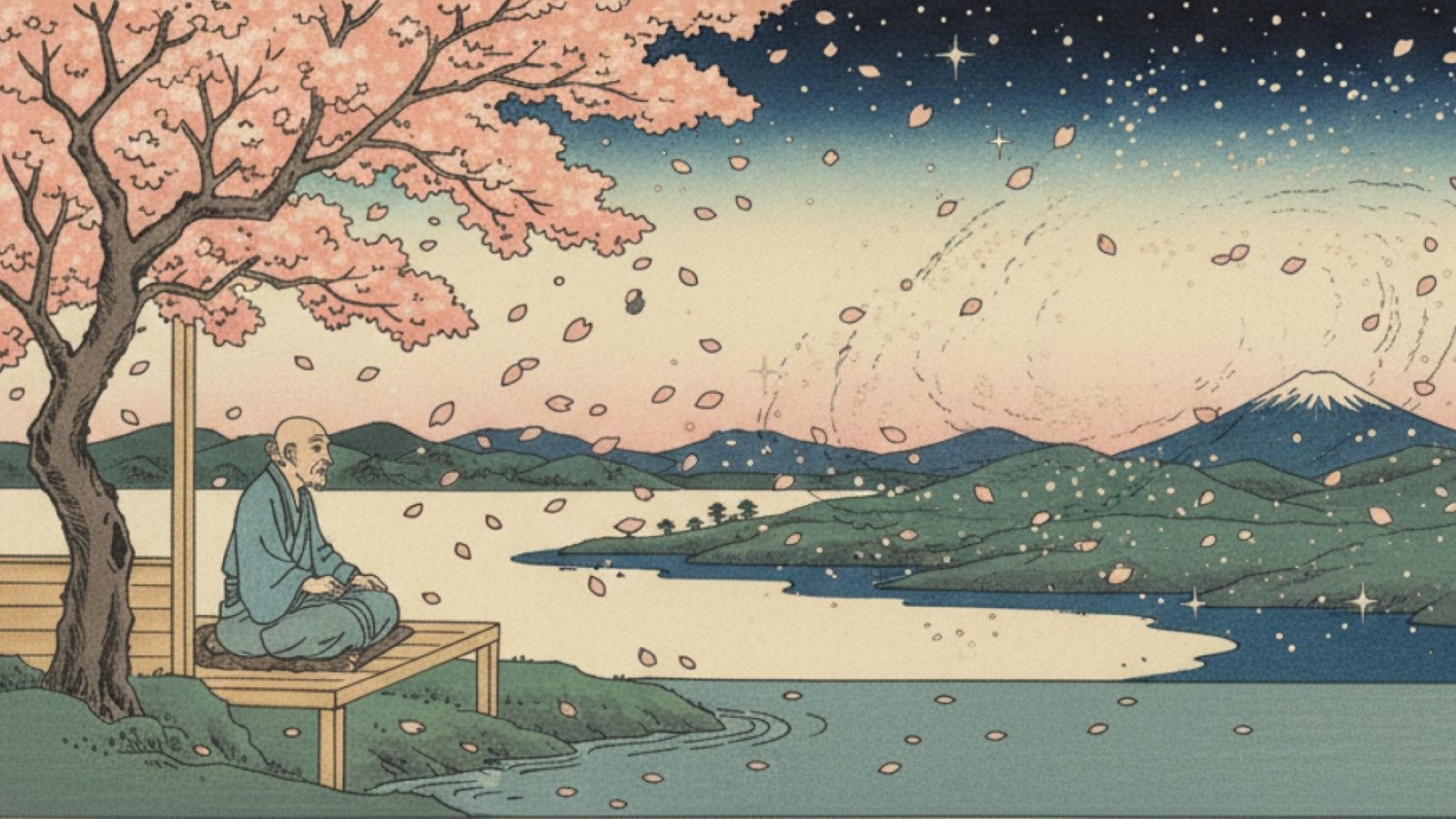
Japanese Views on Seasons - The Gaze of Literary Figures
Japanese literary figures have deeply engaged with the shifting seasons and the workings of life through various forms of expression such as novels and essays. Their delicate sensibilities and keen powers of observation open the door to a dialogue with nature for us, teaching us the beauty and philosophy hidden within everyday landscapes.
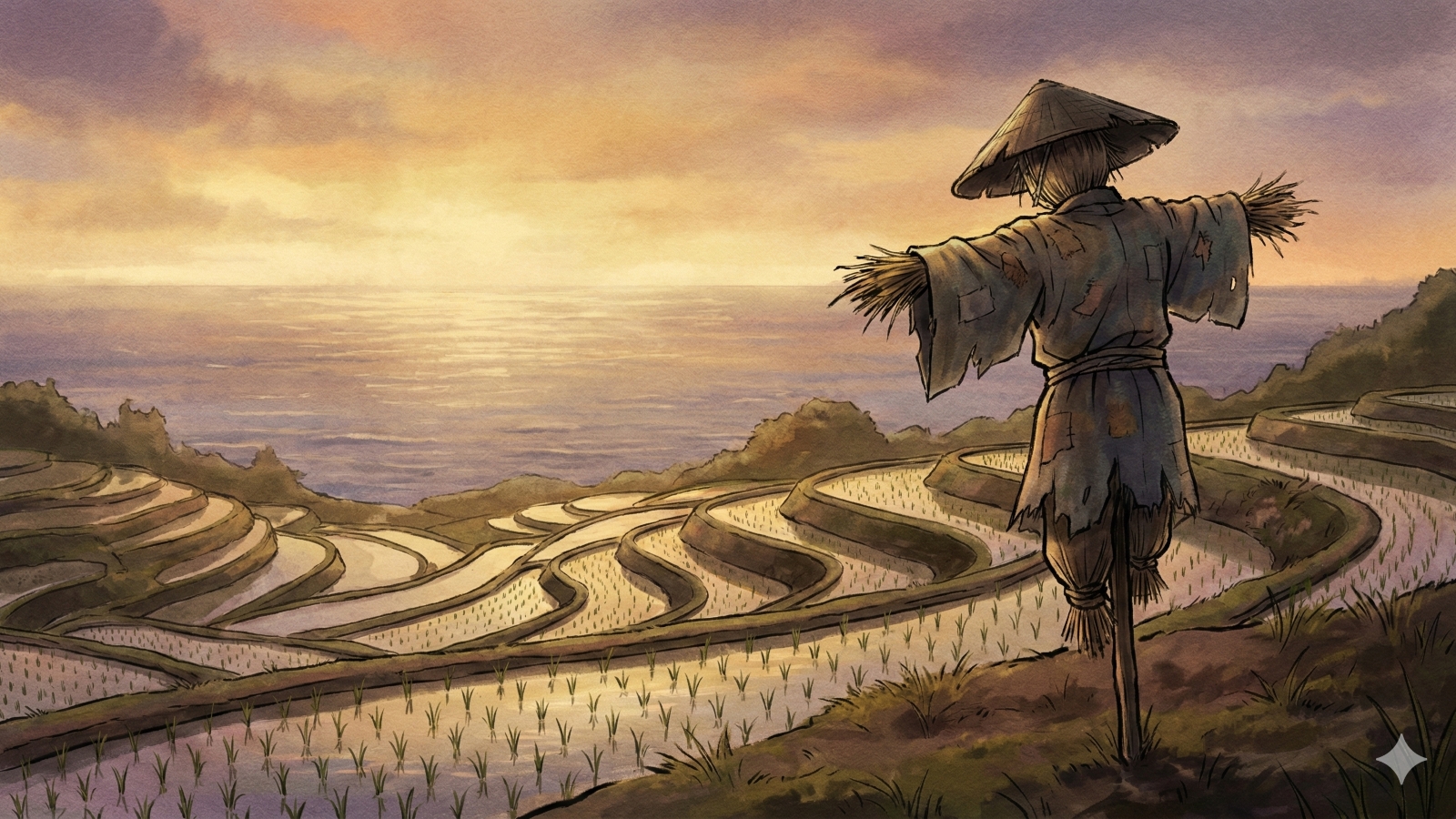
Japan's Primal Landscapes - A Tale of Memories Told by the Land
Superimposing the deceased onto the buzzing of flies, seeing gods in one-legged scarecrows. For Japanese people, these mysterious stories were not fantasy, but "life" itself, right next door. Longing for lands beyond the sea, legends remaining in ancient mounds. Why not travel through the frightening yet gentle "primal landscapes of the heart" gathered by Kunio Yanagita, Lafcadio Hearn, and others?
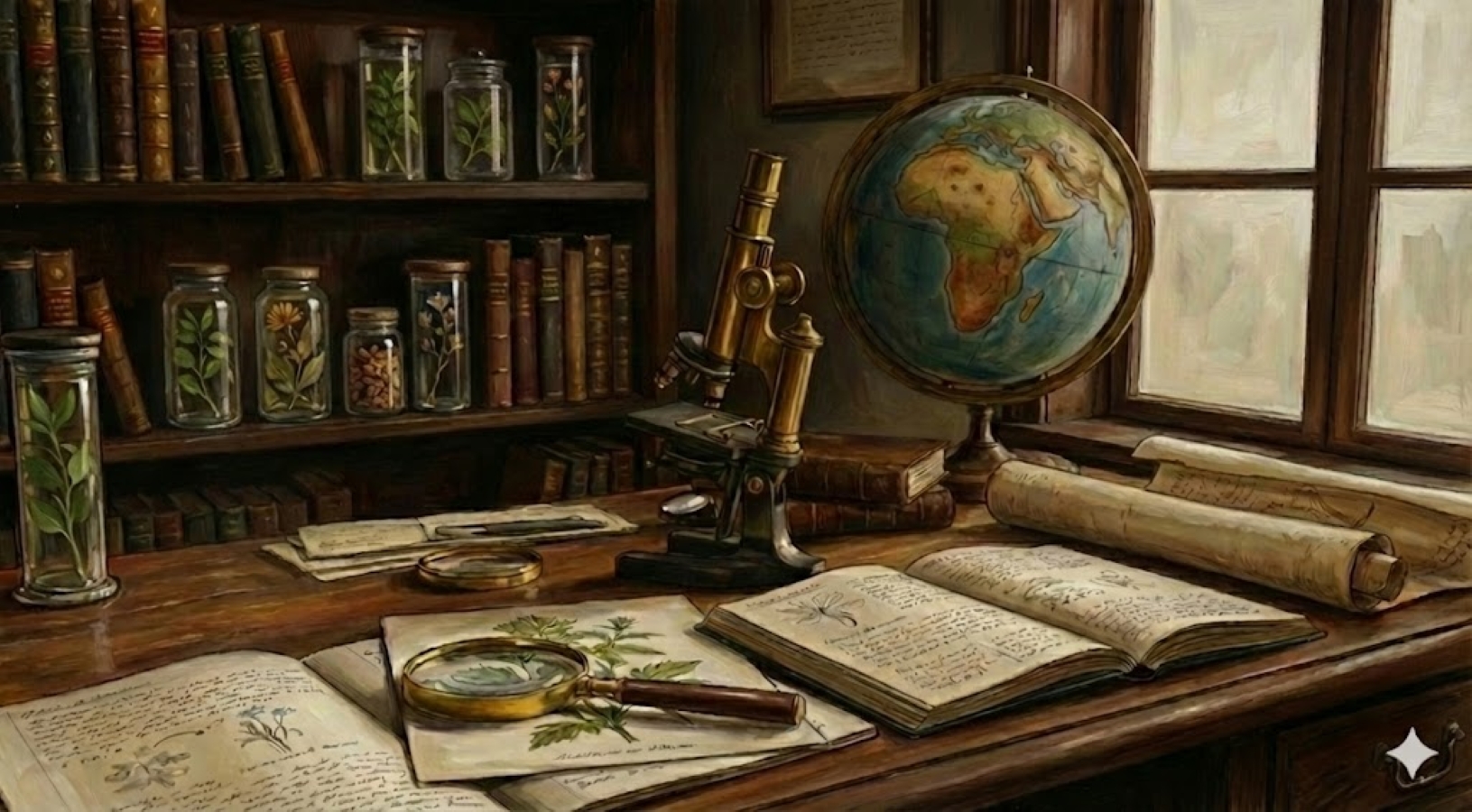
To Wonders Beyond Logic - The Beautiful Abyss Peered into by Scientists
Science is not just cold calculations. It is awe for nature beyond human understanding and an endless quest for beauty. Seeing the universe in a snowflake, feeling the ferocity of life in roadside grass... These are the adventurers of knowledge who confronted the overwhelming "mysteries" that appear only at the end of logic. We touch upon the records of their quiet yet passionate souls.
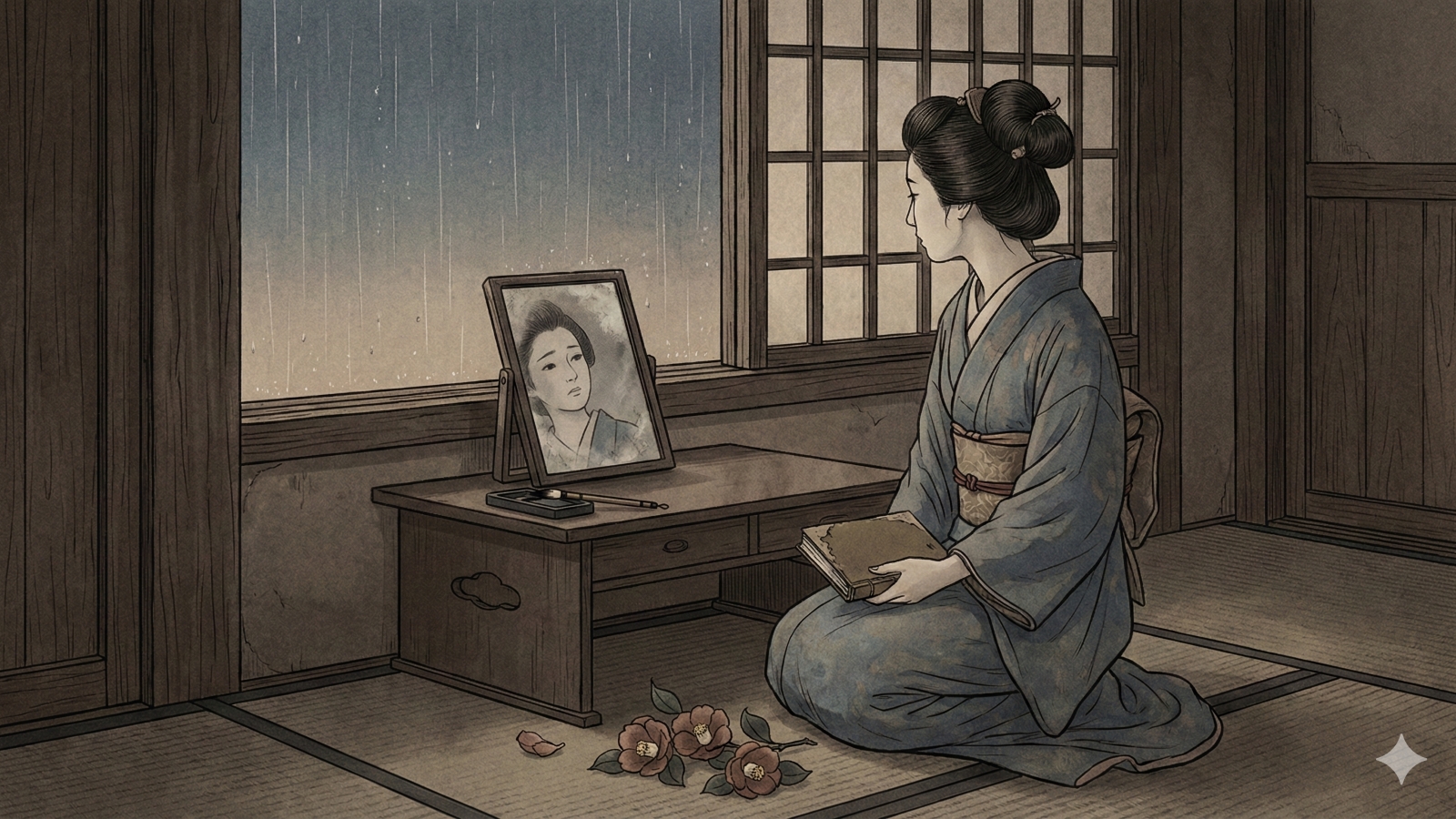
The Soul Screaming "I" - Stories of Fate and Pride by Modern Women
Should women's lives be plastered over with resignation to fate? Or is it a battle to break through social barriers and win one's own "life"? The dry self-mockery spat out by Ichiyō, the poignant scream released by Akiko for her beloved. We listen to the cries of their souls as they resisted the chains of their era, struggling through the mud to establish the "self."