

The Aesthetics of Shadows and Imperfection - Exploring the Depths of Modern Japanese Aesthetic Consciousness
Is beauty a form perfectly revealed under light, or is it the eternal life dwelling in hidden shadows and imperfections? The words left by Tanizaki, Watsuji, and Okakura carve out a spiritual realm of beauty that defies logic and shakes the human soul.

「「真理」なんて云うものは、[…] 間に合わせの規則に過ぎない。之に反して「美」には永遠の生命がある。」
“Things called ‘truth’ […] are nothing more than makeshift rules. In contrast, ‘beauty’ possesses eternal life.”
—— Jun’ichiro Tanizaki, The Dream of the Apprentice [The Apprentice]
【Commentary】
Truth is merely a fleeting convention, but does beauty alone continue to shine across time? This passage is a monologue by an apprentice criticizing the obsession with “truth” in the naturalism literature of the time, expressing his own intuitive view of art. He exposes the instability of “truth” based on logic and ethics, finding absolute value and eternity in “beauty” that appeals to the senses. This overlaps with Tanizaki’s own aestheticism, revealing a strong egoism that trusts sensibility over logic. Perhaps this is why, even if science and morality fade, a single painting or a melody continues to tremble the heart forever.
「美は物体にあるのではなく、物体と物体との作り出す陰翳のあや、明暗にあると考える。」
“I consider that beauty is not in the object itself, but in the patterns of shadows, the light and darkness, that one object creates against another.”
—— Jun’ichiro Tanizaki, In Praise of Shadows
【Commentary】
Does beauty only reveal its true worth under bright light? This is the core of Tanizaki’s essay In Praise of Shadows, a passage redefining traditional Japanese aesthetics against the Western orientation toward brightness. It presents a relational aesthetic: beauty dwells not in the brilliance of the substance itself, but in its relationship with its environment and shadows. The corners of a dim room, light filtering through paper sliding doors, the sheen of lacquerware. The sensibility to read infinite nuances in such “shadows” lives on today as a uniquely Japanese aesthetic akin to “iki” (chic) or “wabi-sabi.” Seeing too much can sometimes kill beauty. This paradox invites our gaze toward beauty into the deep, quiet darkness.
「冷たいもの、無関心なもののみが直線で稜をもつ。」
“Only cold things, indifferent things, possess straight lines and edges.”
—— Shuzo Kuki, The Structure of “Iki” [5. The Artistic Expression of “Iki”]
【Commentary】
While we find comfort in warm curves, don’t we sometimes feel a startling beauty in cold, hard straight lines? Kuki believed that while curves represent approachability and sweetness, straight lines harbor the severity and indifference peculiar to “iki.” The stance of not being swept away by emotion, not fawning, and sticking to one’s will (ikiji) is symbolized by sharp straight lines. It is an adult aesthetic that refuses to immerse itself in sweet dreams and confronts reality with a waking consciousness. Kindness is not the only virtue. Sometimes, within the severity of a straight line that pushes one away coldly, lies the nobility of a honed spirit.
「美の感受は知識的な理解と無関係にも存在し得るのである。」
“The perception of beauty can exist independently of intellectual understanding.”
—— Tetsuro Watsuji, Study of Japanese Spiritual History [Ancient Japanese Culture]
【Commentary】
When standing before a Buddha statue, can we not be moved unless we know the doctrine? Watsuji argues that ancient Buddhist art and the Man’yoshu were not merely playthings of the aristocracy but were rooted deeply in the hearts of the people. Even if one cannot read difficult sutras, upon encountering the graceful figure of a Buddha, one is intuitively struck by its beauty and naturally bows one’s head. The heart that feels beauty connects us to the object in a realm of the soul deeper and more direct than intellectual analysis.
「自然の美とは、『無常無情の自然物と人間の心とが合致して生まれた暖かき子供』である。」
“Natural beauty is ‘a warm child born from the union of the impermanent, heartless natural object and the human heart.’”
—— Tetsuro Watsuji, On “Ryusei’s Art Collection and View of Art”
【Commentary】
Does beauty exist in objective nature, or in the heart of the beholder? Interpreting Ryusei Kishida’s view of art, Watsuji defines “beauty” as a happy encounter between matter and spirit. Only when the human heart casts a hot meaning onto the cold matter of the natural world is the value called “beauty” born. Therefore, a painter’s pursuit of beauty is not merely a personal game, but acts as “service to humanity” by establishing human value in an inorganic world.
「そこにはいのちの美しさが、波の立たない底知れぬ深淵のように、静かに凝止している。」
“There, the beauty of life stands quietly still, like a bottomless abyss where no waves rise.”
—— Tetsuro Watsuji, The Psychology of Idol Worship
【Commentary】
When people prostrate themselves before a Buddha statue, is it only religious faith that overwhelms them? Watsuji finds the power of “great beauty” emitted by the statue in the psychological background of idol worship. Smooth shoulders, a face filled with mercy. That structural beauty shakes the viewer’s soul and leads to religious ecstasy. It is not a rough wave of emotion, but the “beauty of life” condensed like a silent abyss; this beauty is the fundamental power that makes humans believe in a sacred reality.
「われらは教養や風流に名をかりて、なんという残忍非道を行なっているのであろう!」
“What atrocities do we not perpetrate in the name of culture and refinement!”
—— Kakuzo Okakura, The Book of Tea
【Commentary】
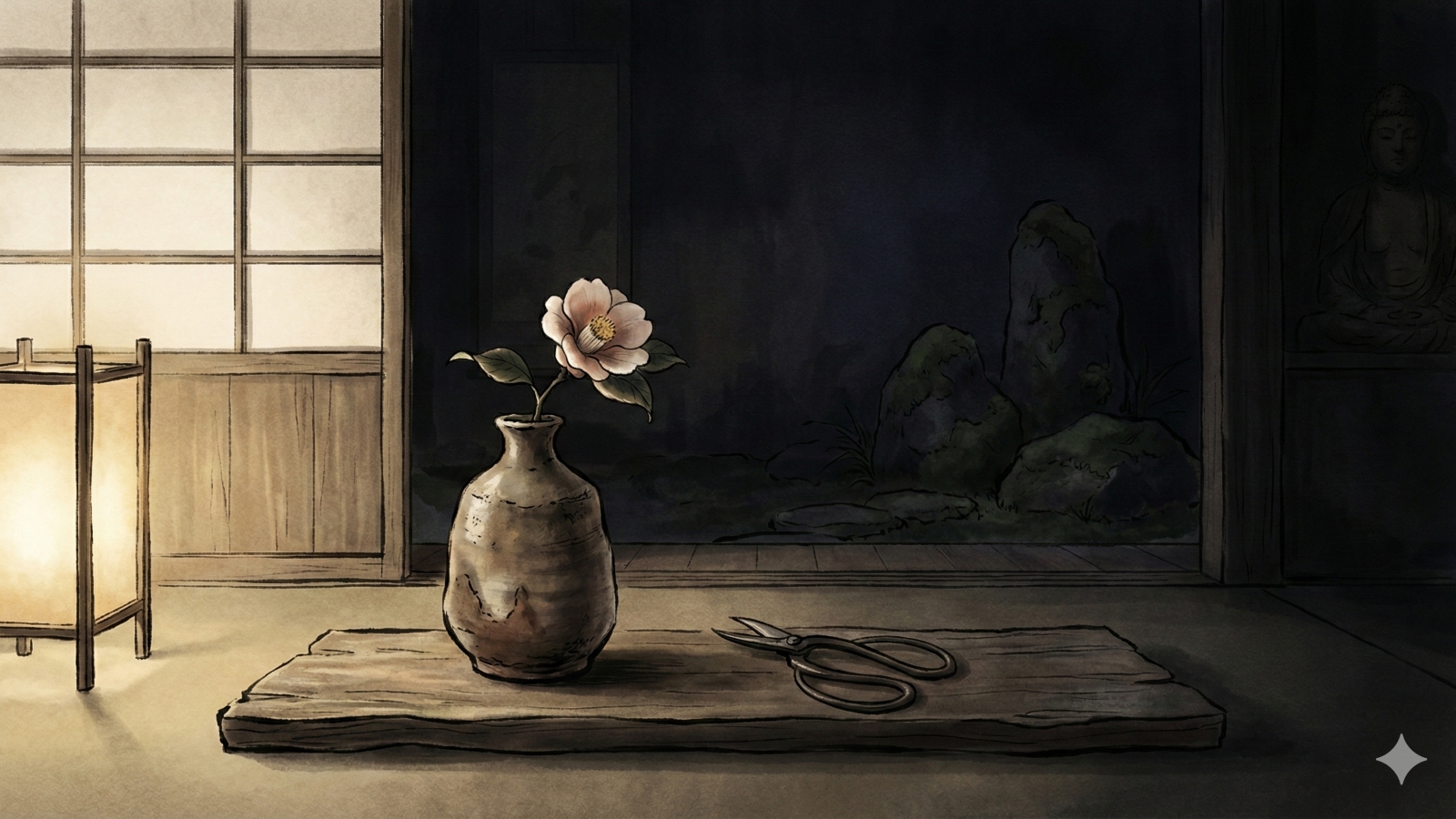
Is the act of admiring beauty truly constituted only of pure affection? The author thrusts the egoism lurking in “ikebana” (flower arrangement)—cutting flowers from nature and decorating them for human convenience—and Western ornamentation at us like a sharp blade. The paradox that the hand admiring a beautiful flower is simultaneously a merciless hand taking a life exposes the cruelty at the root of our aesthetic consciousness. However, this scathing criticism is not merely condemnation; it bears a philosophical resonance asking what true coexistence with nature means, alongside deep awe for living things. Realizing the sacrifice behind beauty may be the first step toward true refinement.
「真の美はただ『不完全』を心の中に完成する人によってのみ見いだされる。」
“True beauty could be discovered only by one who mentally completed the incomplete.”
—— Kakuzo Okakura, The Book of Tea
【Commentary】
Why do we love the moon hidden behind clouds more than the full moon, or the falling cherry blossoms more than those in full bloom? At the core of Japanese aesthetics lies a sophisticated mental game of daring to leave “blank space” or “insufficiency” to be complemented by the viewer’s imagination. Perfection rejects further development, but imperfection works on our minds, encourages participation, and opens up infinite possibilities. The simple construction of a tea room, the distortion of a vessel breaking symmetry—all are devices to elicit this “working of the mind.” Beauty is not something given, but something created within oneself. This thought quietly points to the location of spiritual richness, distinct from material wealth.
「畢竟するところ、われわれは万有の中に自分の姿を見るに過ぎないのである。」
“In the end, we are but seeing our own image in the universe.”
—— Kakuzo Okakura, The Book of Tea
【Commentary】
When we look at the world, are we seeing the scenery outside, or a projection of our own hearts? In art appreciation, people can only understand beauty within the scope of their own nature and experiences, ultimately just confirming themselves through the mirror of the work. However, the author suggests that the “courage” to reject the evaluations of others and find beauty trusting only one’s own sensibility, like Rikyu, is precious. A true “connoisseur” is one who faces the object with a solitary soul, without blindly following trends or authority, and discovers their own truth there. In that single item you casually chose, the shape of your own soul must be reflected, impossible to hide.
(Editorial Cooperation: Haruna Ishita, Momona Sassa)
Japanese Views on Seasons - The Gaze of Literary Figures
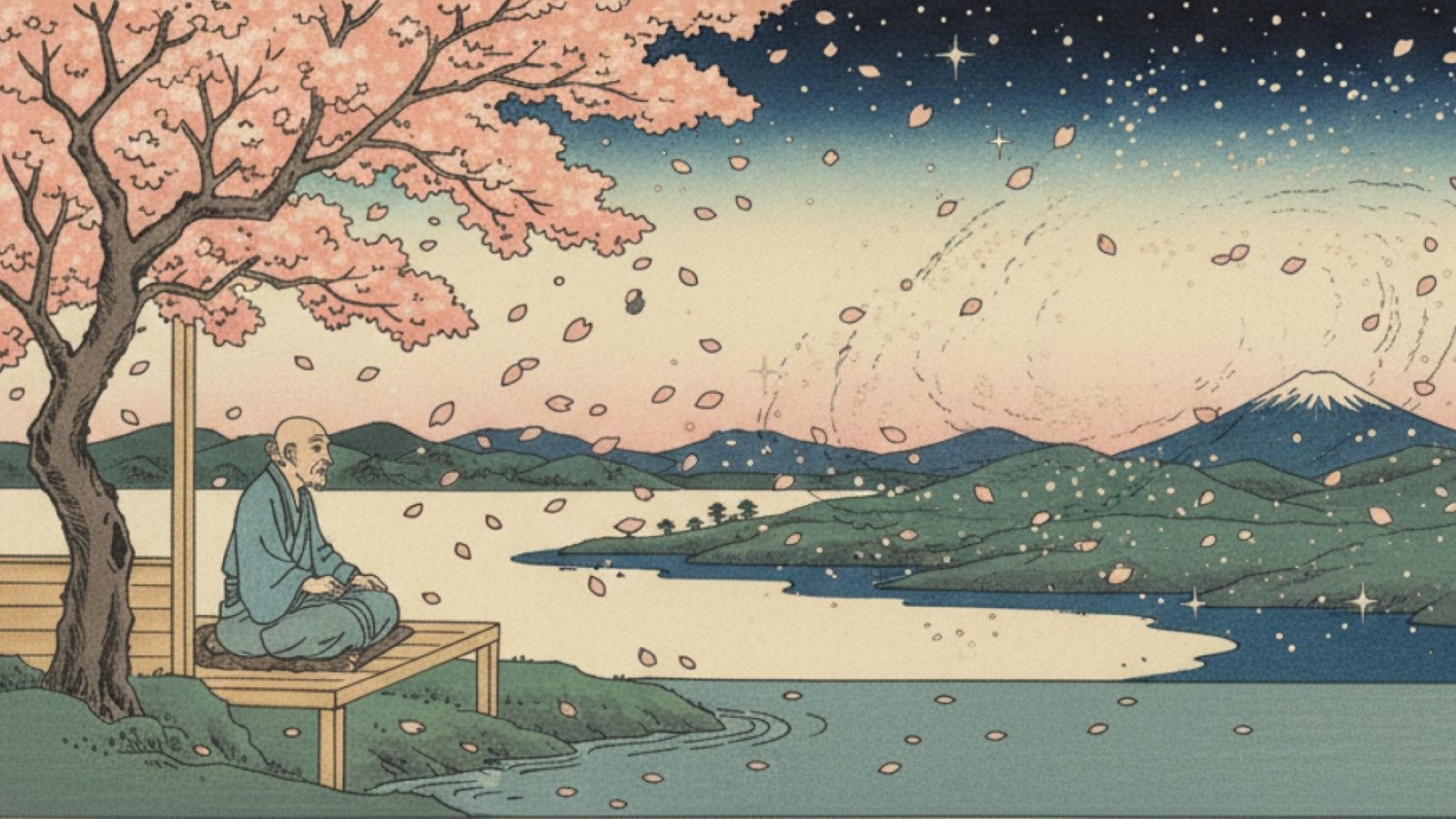
Japanese literary figures have deeply engaged with the shifting seasons and the workings of life through various forms of expression such as novels and essays. Their delicate sensibilities and keen powers of observation open the door to a dialogue with nature for us, teaching us the beauty and philosophy hidden within everyday landscapes.
Japan's Primal Landscapes - A Tale of Memories Told by the Land
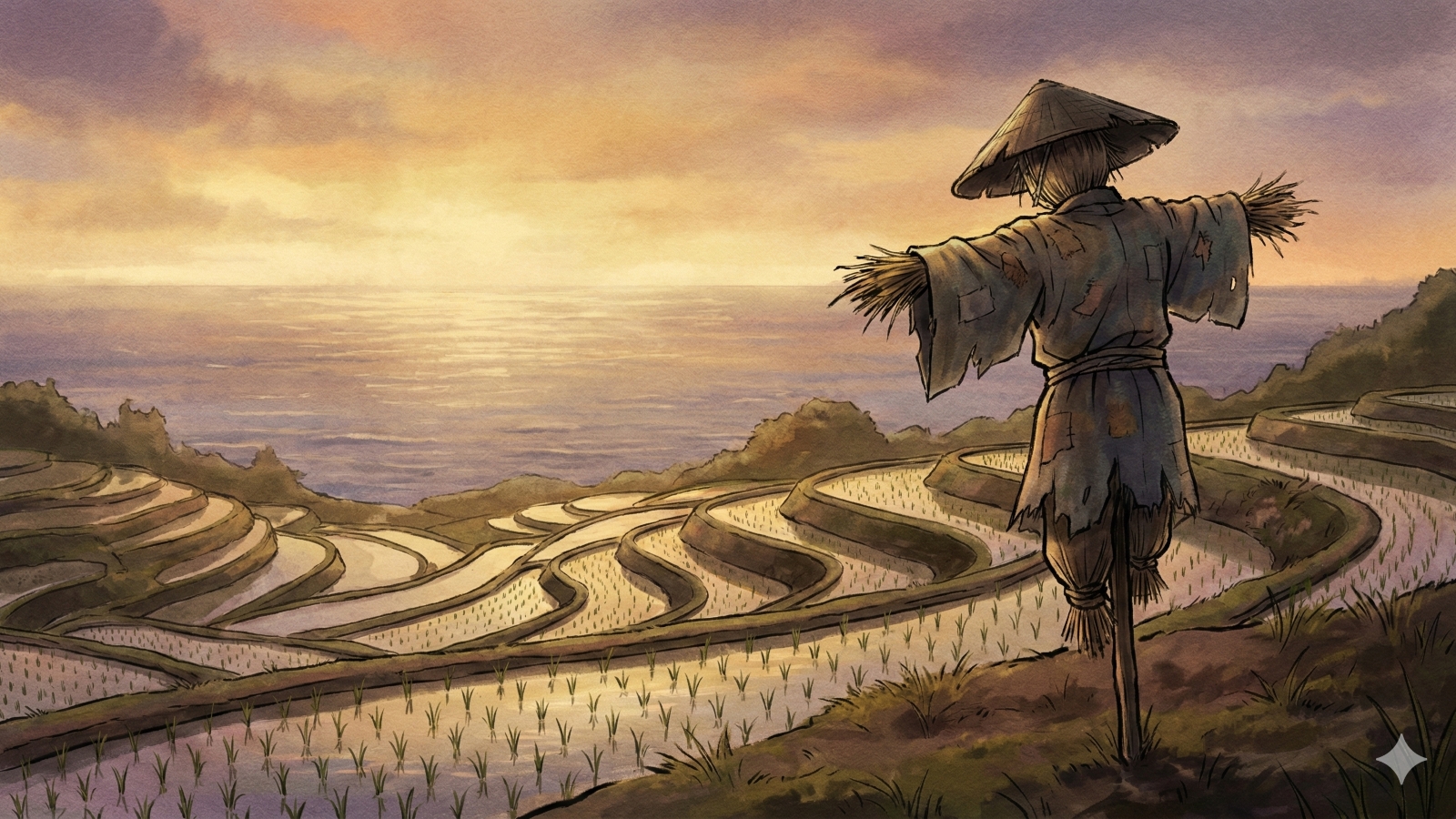
Superimposing the deceased onto the buzzing of flies, seeing gods in one-legged scarecrows. For Japanese people, these mysterious stories were not fantasy, but "life" itself, right next door. Longing for lands beyond the sea, legends remaining in ancient mounds. Why not travel through the frightening yet gentle "primal landscapes of the heart" gathered by Kunio Yanagita, Lafcadio Hearn, and others?

To Wonders Beyond Logic - The Beautiful Abyss Peered into by Scientists
Science is not just cold calculations. It is awe for nature beyond human understanding and an endless quest for beauty. Seeing the universe in a snowflake, feeling the ferocity of life in roadside grass... These are the adventurers of knowledge who confronted the overwhelming "mysteries" that appear only at the end of logic. We touch upon the records of their quiet yet passionate souls.
The Soul Screaming "I" - Stories of Fate and Pride by Modern Women
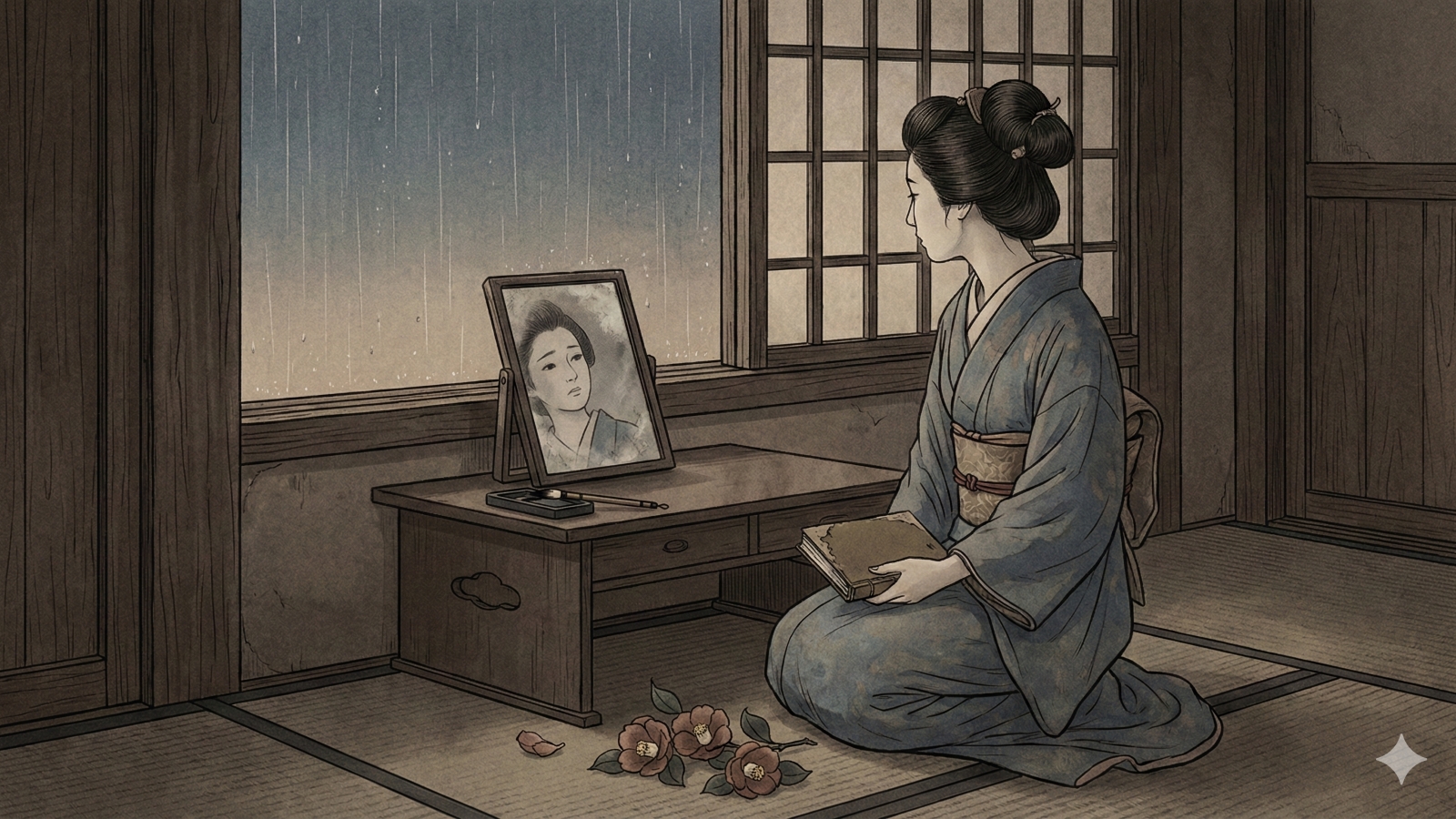
Should women's lives be plastered over with resignation to fate? Or is it a battle to break through social barriers and win one's own "life"? The dry self-mockery spat out by Ichiyō, the poignant scream released by Akiko for her beloved. We listen to the cries of their souls as they resisted the chains of their era, struggling through the mud to establish the "self."